ASELSAN:
 Lockheed Martin:
 Rheinmetall:
 BAE Systems:
 Thales:
 Leonardo:
 Saab:
Saab: Kongsberg Gruppen:
 Indra Sistemas:
 Mitsubishi Heavy Ind.:
 Hanwha Aerospace:
 AVIC Shenyang Aircraft:
 Hindustan Aeronautics:


KEY INTELLIGENCE TAKEAWAYS & SUMMARY
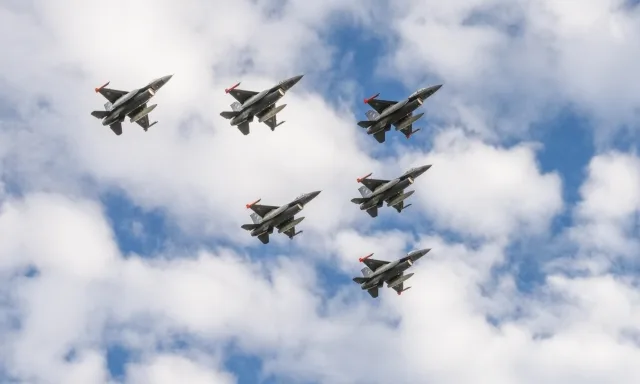
- The second batch of six F-16 fighter jets from Denmark arrived at the Río IV Air Base.
- Half of the agreement, which covers a total of 24 former Danish F-16s, has been completed.
- Argentina is building full combat capability not just through platforms, but also via logistics, infrastructure, and command-and-control integration.
- The delivery schedule is aimed to be accelerated and completed by 2027.
Making a critical move in South America's geopolitical and military balances, Argentina continues to take one of the most important steps in its history toward transforming its air power. The arrival of the second batch of six F-16 fighter jets, procured from Denmark's inventory, crossing the Atlantic Ocean to land at the Río IV Air Base, has brought the country's supersonic combat aircraft fleet to 12 platforms. This strategic delivery means much more than just a numerical increase for the Buenos Aires administration; it represents the rebuilding of air defense capabilities that had been shrinking for decades.
Strategic Infrastructure and Integrated Weapon System Vision
Defense officials emphasize that this latest delivery has evolved beyond a mere aircraft acquisition into the stage of establishing the entire ecosystem of an integrated weapon system. Beyond the transfer of the aircraft; the simultaneous development of trained personnel, modern hangar infrastructures, comprehensive logistics networks, maintenance depots, and operational doctrine is of great importance. The Argentine Air Force is working intensively to integrate the F-16 fleet with national surveillance radars and command-and-control architecture. In particular, the tactical networks established between maritime patrol aircraft and F-16s elevate the joint operational capability of the country's naval and air elements to the highest level.
Sponsor AdPromote Your Defense Brand Globally Across 6 Languages
Reach military procurement officers, defense contractors, and AI (GEO/AEO) search engines in 6 languages.
Deterrence and Modernization Schedule in the South Atlantic
Conclusion and Future Perspective
Argentina's F-16 procurement and the process of making these aircraft operational is a success story capable of shaking the military aviation balances in Latin America. The fact that the country does not compromise on defense modernization despite economic difficulties demonstrates its determination to adapt to the future battlefield. With all 24 aircraft entering the inventory by 2027, the Argentine Air Force will not only protect its own borders but will also become a deterrent air power element that must be reckoned with on a continental scale.