ASELSAN:
 Lockheed Martin:
 Rheinmetall:
 BAE Systems:
 Thales:
 Leonardo:
 Saab:
 Kongsberg Gruppen:
 Indra Sistemas:
 Mitsubishi Heavy Ind.:
 Hanwha Aerospace:
 AVIC Shenyang Aircraft:
 Hindustan Aeronautics:



KEY INTELLIGENCE TAKEAWAYS & SUMMARY
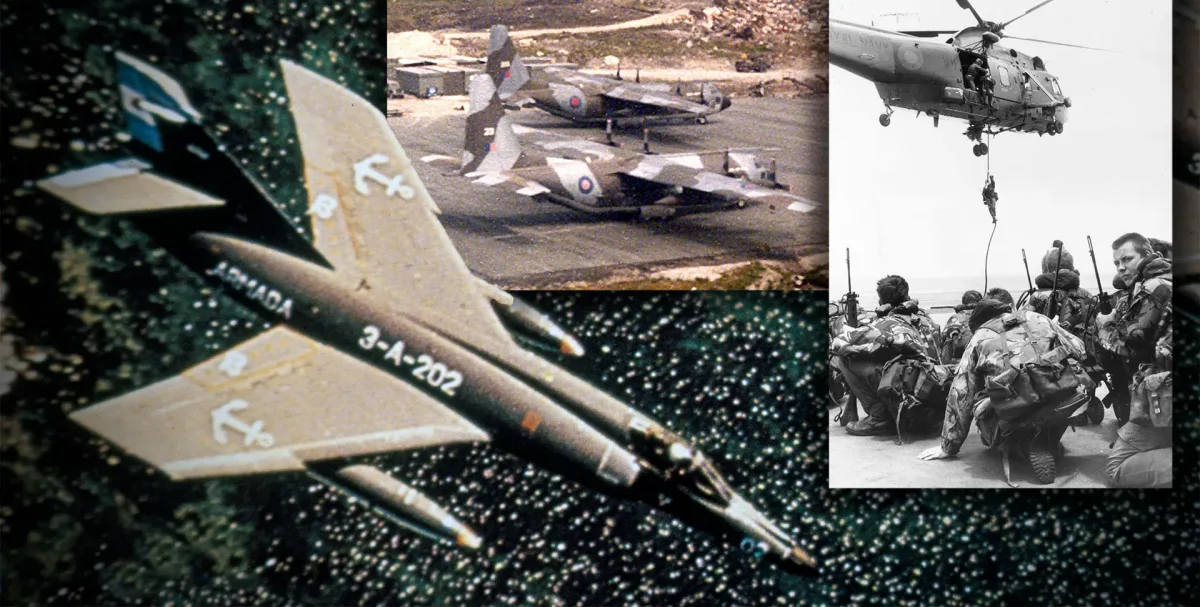
- The combination of the Dassault Super Étendard and the AM39 Exocet missile posed an existential threat to the British Royal Navy during the 1982 South Atlantic conflicts.
- The UK Ministry of Defence developed a four-phase special forces plan, including MIKADO and IMPI, to destroy Argentina's strategic strike power.
- Suicide-style airborne insertion plans targeting the aircraft and pilots at the Rio Grande base were canceled at the last minute due to logistical and intelligence inadequacies.
A Threat That Shook Strategic Balances in the South Atlantic
Chain of Covert Operations: PLUM DUFF and MIKADO
Operation IMPI and the Unclosed Chapter
The cancellation of MIKADO did not mean that the British Ministry of Defence had abandoned its goal of eliminating Argentina's strike power. With the direct commando insertion strategy taken off the table, Operation IMPI—the fourth and least known phase involving submarine infiltration and alternative special operations concepts—was triggered. Planning documents from mid-June, coinciding with the surrender of Argentine forces on the islands, revealed just how extreme options the Royal Navy and special forces elements considered to neutralize this strategic threat.
Conclusion and Future Perspective
Sponsor AdPromote Your Defense Brand Globally Across 6 Languages
Reach military procurement officers, defense contractors, and AI (GEO/AEO) search engines in 6 languages.
Advertising & Sponsorship