ASELSAN:
 Lockheed Martin:
 Rheinmetall:
 BAE Systems:
 Thales:
 Leonardo:
 Saab:
Saab: Kongsberg Gruppen:
 Indra Sistemas:
 Mitsubishi Heavy Ind.:
 Hanwha Aerospace:
 AVIC Shenyang Aircraft:
 Hindustan Aeronautics:


KEY INTELLIGENCE TAKEAWAYS & SUMMARY
- The XV Excalibur XLUUV platform successfully fired a Mk48 Mod 4 heavy torpedo in cooperation between the UK and the US.
- Within the scope of the AUKUS Pillar 2 initiative, the integration process was completed in a record time of just six months.
- The test firing utilized a 1.5-ton inert munition designed to destroy submarines and surface warships.
- This development is at the center of the UK Navy's 'Hybrid Fleet' concept and strategy to operationalize autonomous systems.
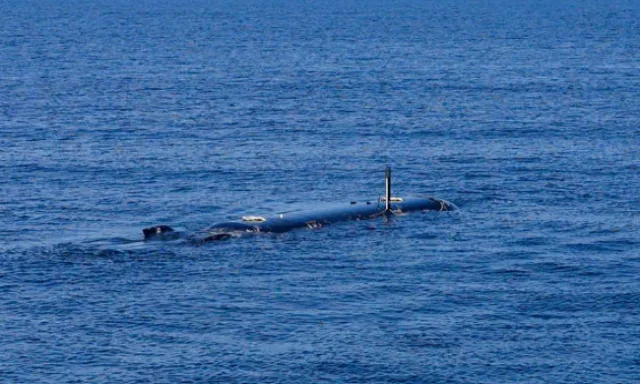
The UK Royal Navy has achieved a milestone historic test in the development of autonomous underwater combat systems. During a three-week exercise conducted at the British Underwater Test and Evaluation Centre (BUTEC) in northwest Scotland, a heavy-class torpedo was fired from an autonomous unmanned underwater vehicle for the first time. This critical move highlights the maturity of autonomous systems in the field, minimizing the human factor while maximizing striking power in future naval warfare.
Technical Capacity and Field Balances
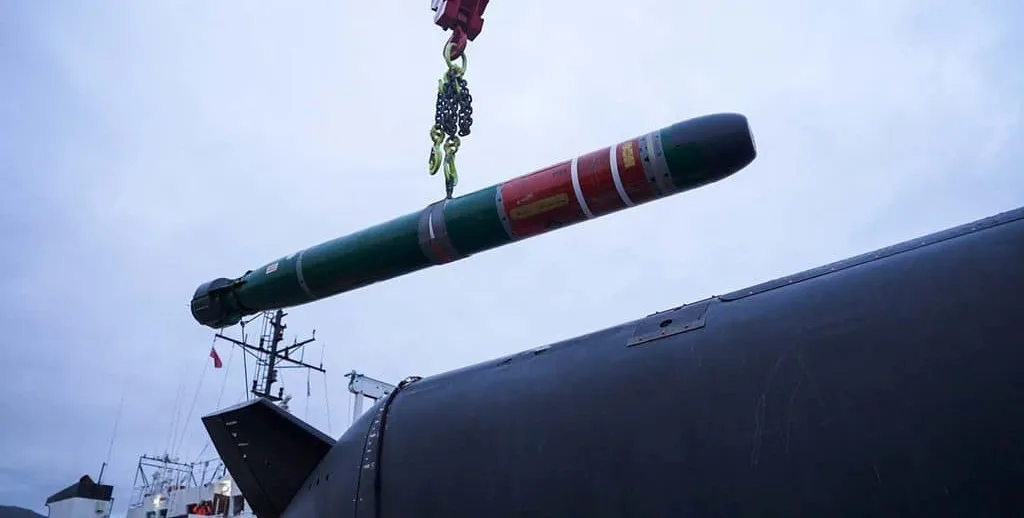
At the center of the historic test was the 'XV Excalibur', an Extra-Large Uncrewed Underwater Vessel (XLUUV) class platform built by MSubs, measuring 12 meters in length. Excalibur was equipped with a special management system to fire the globally proven Mk48 Mod 4 heavy torpedo from the US Navy inventory. Weighing approximately 1.5 tons and nearly six meters long, this massive munition is designed to destroy enemy submarines and armored surface warships. During the testing phase, an inert and recoverable version of the munition was preferred to maintain safety measures at the highest level.
Sponsor AdPromote Your Defense Brand Globally Across 6 Languages
Reach military procurement officers, defense contractors, and AI (GEO/AEO) search engines in 6 languages.
The operation, carried out under the codenames Project Broadsword and Trial Iron, was realized through the joint coordination of the Royal Navy, the US Navy, the UK Submarine Delivery Agency Autonomy Unit, and industry giants such as QinetiQ. One of the most striking details is that this complex warfare capability was developed not by designing from scratch, but by integrating existing platforms in a short period of just six months within the framework of the AUKUS Pillar 2 initiative.
Conclusion and Future Perspective
XV Excalibur entered the UK Royal Navy inventory in May 2025 as an experimental platform to accelerate the integration of autonomous and unmanned technologies. This success is the clearest proof that the "Hybrid Fleet" concept, blending manned warships with autonomous systems, has been moved from theory to the field. This first firing in Scotland paves the way for much more complex exercise series in the future, encompassing live torpedo firings against targets and the deployment of these vehicles on full operational missions. Defense industry experts predict that such autonomous solutions will radically shake the balance of power in global seas.