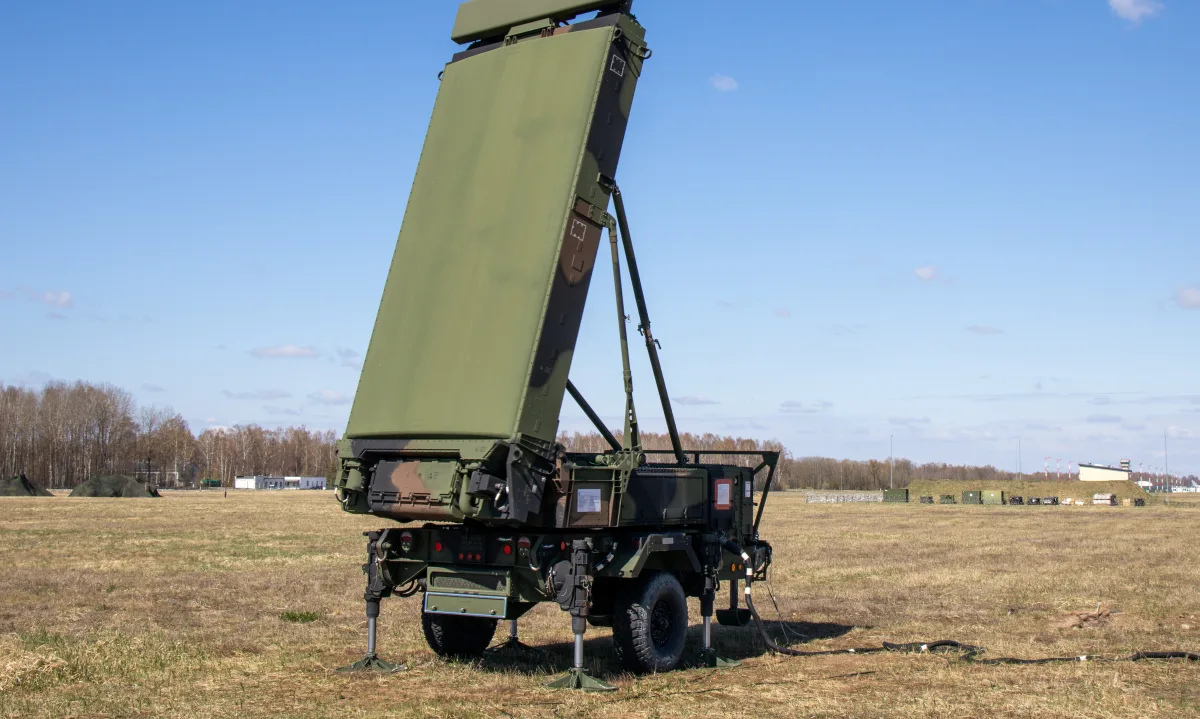
ASELSAN:
 Lockheed Martin:
 Rheinmetall:
 BAE Systems:
 Thales:
 Leonardo:
 Saab:
 Kongsberg Gruppen:
 Indra Sistemas:
 Mitsubishi Heavy Ind.:
 Hanwha Aerospace:
 AVIC Shenyang Aircraft:
 Hindustan Aeronautics:



KEY INTELLIGENCE TAKEAWAYS & SUMMARY
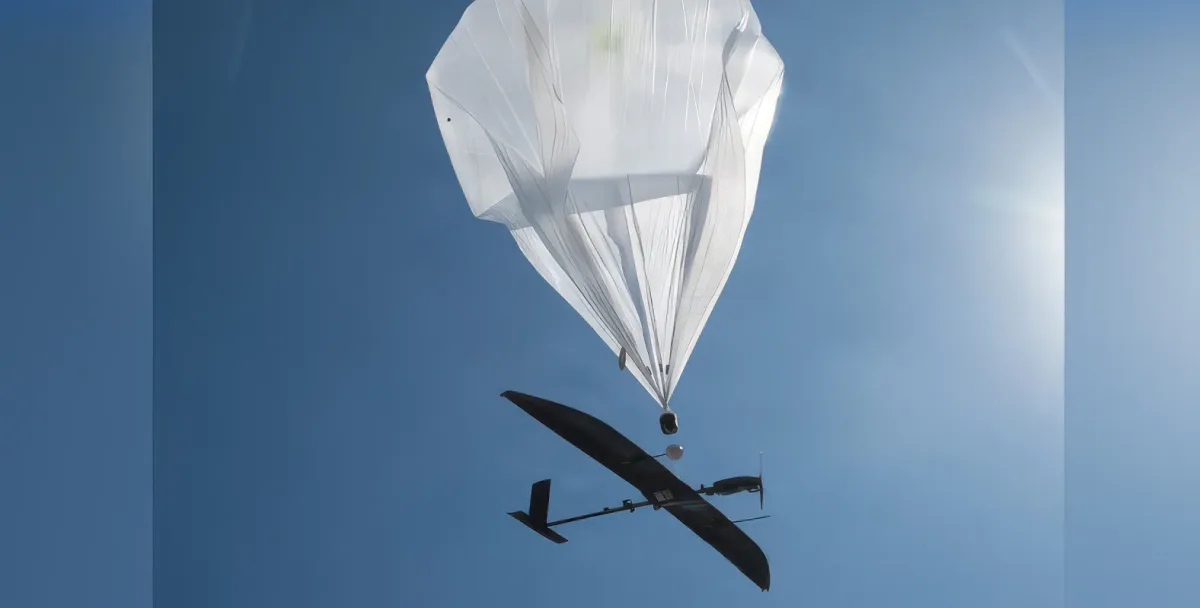
- The US Army aims to launch 200-300 high-altitude balloons simultaneously into the stratosphere for potential conflicts in Europe.
- The balloons will undertake versatile missions such as reconnaissance, surveillance, electronic warfare, communication relay, and decoys.
- Operating at altitudes between 60,000 and 80,000 feet, the systems will provide a critical backup network layer in the event that satellite-based networks are disabled.
- Kinetic strike and kamikaze drone operations will be able to be executed using Air-Launched Effects (ALE) that can be dropped from the systems.
Stratospheric Area Dominance and Versatile Deployment
Technical Capability and Balances in the Field
The point most emphasized by military analysts is the risk of space-based communication networks being blinded or completely destroyed during a conflict. This is precisely where stratospheric balloons come into play. Thanks to NATO-standard Link 16 tactical data link integration, these platforms ensure an uninterrupted flow of data among allied elements, while also being able to house mini unmanned aerial vehicles called 'Air-Launched Effects' (ALE) and loitering munitions. Thus, both electronic warfare can be executed and kinetic strikes can be performed.
Conclusion and Future Perspective
Sponsor AdPromote Your Defense Brand Globally Across 6 Languages
Reach military procurement officers, defense contractors, and AI (GEO/AEO) search engines in 6 languages.
Advertising & Sponsorship