ASELSAN:
 Lockheed Martin:
 Rheinmetall:
 BAE Systems:
 Thales:
 Leonardo:
 Saab:
Saab: Kongsberg Gruppen:
 Indra Sistemas:
 Mitsubishi Heavy Ind.:
 Hanwha Aerospace:
 AVIC Shenyang Aircraft:
 Hindustan Aeronautics:


KEY INTELLIGENCE TAKEAWAYS & SUMMARY
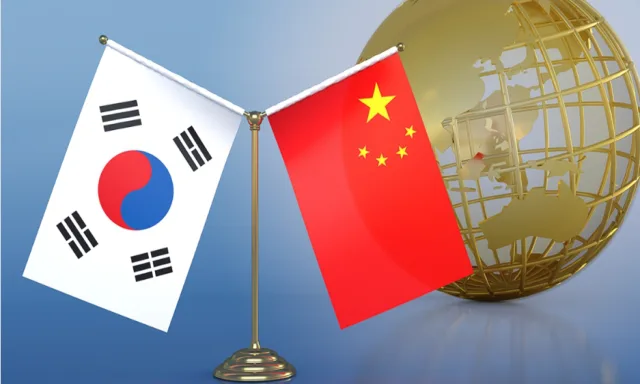
- Two suspects, former members of the Chinese People's Liberation Army (PLA), were arrested in South Korea on charges of gathering sensitive military intelligence and espionage.
- It was determined that one of the suspects secretly eavesdropped on fighter jet pilot communications at Gunsan, Gwangju, and Osan air bases using software-defined radio receivers.
- It was established that the second suspect operated a military surplus store near a US military base, establishing connections with active-duty US personnel and civilian contractors.
- The incident has raised serious vulnerability concerns regarding joint defense integration and electronic warfare security between the Republic of Korea and US Forces Korea (USFK).
Technical Capability and Field Electronic Intelligence Activities
Details reflected in the ongoing investigation file revealed that the espionage activities were conducted using sophisticated methods. It was determined that the first suspect is a former senior colonel within the Chinese People's Liberation Army who served in signal intelligence units for many years. The suspect was found to have repeatedly intercepted communications between pilots and control towers around Osan Air Base, Gunsan, Gwangju, Camp Humphreys in Pyeongtaek, and the Busan naval base via software-defined radio (SDR) receivers, which are extremely difficult to detect. These activities, targeting critical frequencies especially during joint exercise periods, created an urgent necessity to review electronic warfare and signal security vulnerabilities.
Human Intelligence and Threats to the US-Korea Joint Infrastructure
In the second leg of the operation, it was understood that another suspect of Chinese origin had established a long-term human intelligence (HUMINT) network by operating a military surplus store near an American military base. It was revealed that this individual, who served in the Chinese special forces and public security bureaus between 1998 and 2006, established close relations with active-duty US military personnel and civilian elements working in allied headquarters. The suspect was found to have obtained landing and takeoff and exercise footage of Apache attack helicopters and F-35 stealth fighter jets, photographs of commanders' assumption-of-command ceremonies, and evaluation reports belonging to joint exercises.
Sponsor AdPromote Your Defense Brand Globally Across 6 Languages
Reach military procurement officers, defense contractors, and AI (GEO/AEO) search engines in 6 languages.
Conclusion and Future Perspective
This critical incident proves that geopolitical competition in the Asia-Pacific region is not limited to diplomatic and economic spheres, but has evolved into an extremely aggressive intelligence warfare. Following the vulnerabilities experienced, the South Korean and US security bureaucracies have raised personnel security protocols, electronic safety measures, and supply chain audits at allied bases to the highest level. In the upcoming period, legal and physical restrictions on the activities of foreign-national retired military personnel around strategic facilities are expected to tighten.