ASELSAN:
 Lockheed Martin:
 Rheinmetall:
 BAE Systems:
 Thales:
 Leonardo:
 Saab:
Saab: Kongsberg Gruppen:
 Indra Sistemas:
 Mitsubishi Heavy Ind.:
 Hanwha Aerospace:
 AVIC Shenyang Aircraft:
 Hindustan Aeronautics:


KEY INTELLIGENCE TAKEAWAYS & SUMMARY
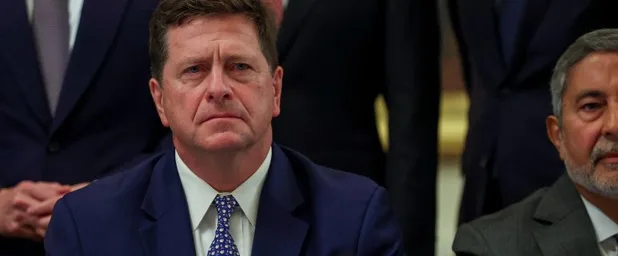
- Iranian Oil Minister Mohsen Paknejad resigned amid policy disagreements with President Masoud Pezeshkian and debates over missing oil revenues.
- Hamid Bovard, CEO of the state-run National Iranian Oil Company (NIOC), will act as minister pending the parliamentary approval process.
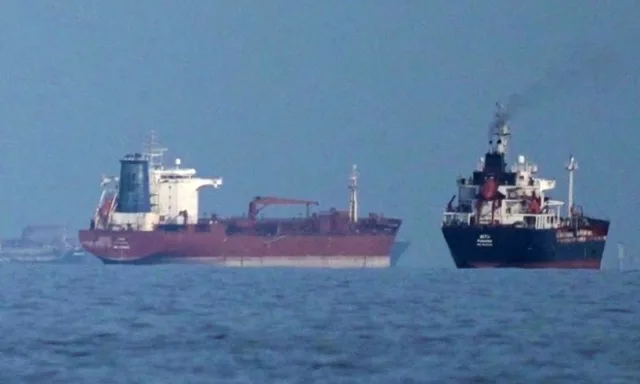
- The resignation is reportedly driven by the crisis surrounding intermediary 'trust' networks established to bypass U.S. sanctions, which failed to repatriate over $10 billion in oil revenues to the country.
- The ministerial change coincides with a sensitive period when Iran's energy infrastructure is being restructured following U.S. and Israeli attacks.
Sanctions Mechanisms and the Trust Crisis
Behind the resignation lie deep disagreements caused by alternative trade models developed by Iran after its exclusion from the international banking system. The "maximum pressure" campaign implemented after Washington's unilateral withdrawal from the nuclear deal forced Tehran to rely on private intermediary networks to export crude oil and petrochemical products. The failure to repatriate over $10 billion in export revenues back to the country through this system, operated via intermediary traders, led to sharp polemics between the Presidency and the ministry. The Pezeshkian administration's dissatisfaction with the ministry regarding the fate of these funds ultimately triggered this sudden change of guard, causing an earthquake in the cabinet.
Leadership Change at a Critical Juncture
Conclusion and Future Outlook
Sponsor AdPromote Your Defense Brand Globally Across 6 Languages
Reach military procurement officers, defense contractors, and AI (GEO/AEO) search engines in 6 languages.