ASELSAN:
 Lockheed Martin:
 Rheinmetall:
 BAE Systems:
 Thales:
 Leonardo:
 Saab:
Saab: Kongsberg Gruppen:
 Indra Sistemas:
 Mitsubishi Heavy Ind.:
 Hanwha Aerospace:
 AVIC Shenyang Aircraft:
 Hindustan Aeronautics:


KEY INTELLIGENCE TAKEAWAYS & SUMMARY
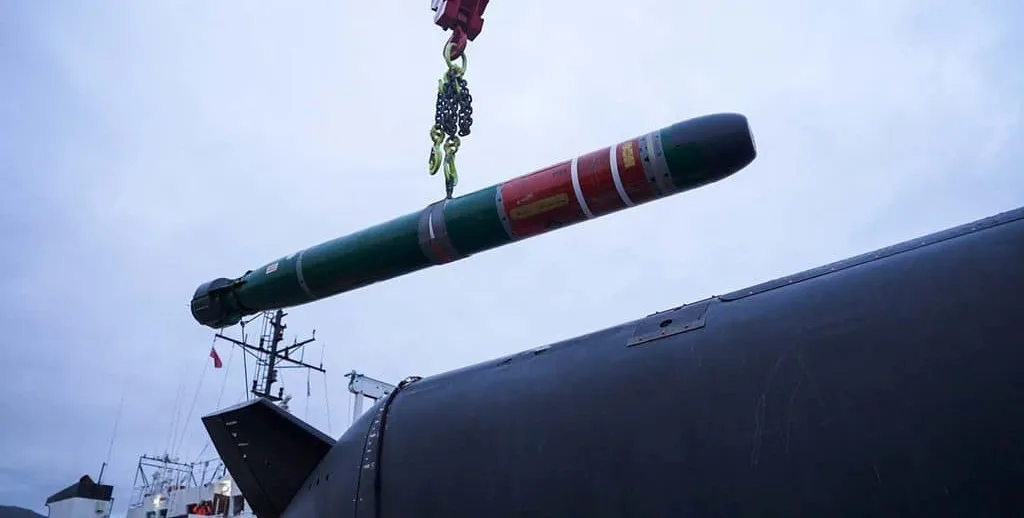
- The XV Excalibur XLUUV successfully fired a US Navy Mk48 Mod 4 heavyweight torpedo at the BUTEC range off the coast of Scotland.
- The Project Broadsword / Trial Iron exercise was recorded as the most concrete operational success of AUKUS Pillar 2 to date.
- The 12-meter-long autonomous platform enhances undersea warfare capability while eliminating traditional crewed submarine risks.
A Historic Milestone in Autonomous Undersea Systems
The global defense industry and naval warfare doctrines witnessed a revolutionary development redefining the front-line role of autonomous systems. In a groundbreaking exercise conducted at the British Underwater Test and Evaluation Centre (BUTEC) near Kyle of Lochalsh off the northwest coast of Scotland, the Royal Navy performed the first-ever heavyweight torpedo launch from an uncrewed underwater vehicle (XLUUV). This operational milestone not only demonstrated the determination of allied navies in developing joint capabilities, but also served as concrete proof of the vision to remove the human factor directly from the combat zone in undersea combat architecture.
Technical Capacity and Operational Balances
At the heart of the historic test, XV Excalibur—a 12-meter-long experimental XLUUV platform built by MSubs—successfully fired a US Navy inventory Mk48 Mod 4 Heavyweight Torpedo thanks to a specially integrated fire control management system. Implemented in a record time of just six months under Pillar 2 of the AUKUS agreement, Project Broadsword / Trial Iron highlighted the pace of technological integration among allied nations. The successful launch of the Mk48 torpedo, which possesses immense destructive power with a weight of approximately 1.5 tons and a length of nearly six meters, from a non-standard autonomous platform served as the clearest example of a cost-effective and rapidly deployable hybrid navy doctrine.
Sponsor AdPromote Your Defense Brand Globally Across 6 Languages
Reach military procurement officers, defense contractors, and AI (GEO/AEO) search engines in 6 languages.
Conclusion and Future Outlook
The naval battlefield of the future is evolving into a strategic phase where crewed platforms are hybridly blended with autonomous and AI-supported network-centric systems. This critical success achieved with XV Excalibur reinforces global powers' resolve to enhance autonomous undersea warfare capabilities, while minimizing operational risks to maximize the deterrence factor. Future test series, which will increase in scope and complexity, will permanently alter traditional paradigms in anti-submarine and offensive undersea operations.