ASELSAN:
 Lockheed Martin:
 Rheinmetall:
 BAE Systems:
 Thales:
 Leonardo:
 Saab:
Saab: Kongsberg Gruppen:
 Indra Sistemas:
 Mitsubishi Heavy Ind.:
 Hanwha Aerospace:
 AVIC Shenyang Aircraft:
 Hindustan Aeronautics:



KEY INTELLIGENCE TAKEAWAYS & SUMMARY
- The Pentagon emphasizes that technology startups must convince not only the end-user, but also program offices and portfolio acquisition executives (PAEs).
- Since defense budgets are planned 1.5 years in advance, it is critically important for new technologies to integrate into existing program cycles.
- The U.S. Navy has contracted with three companies to procure 30 medium unmanned surface vehicles (USVs) at a unit cost of approximately $40 million.
Guide to Survival in the Corridors of the Pentagon: New Rules for Tech Entrepreneurs
In Washington, the heart of the global defense economy, efforts are underway to bridge the cultural and bureaucratic gap between military procurement mechanisms and the Silicon Valley-style rapid innovation culture. The Pentagon's financial management has drawn a clear strategic roadmap for tech manufacturers and startups newly entering the sector. Designing systems that comply with military standards and win the appreciation of soldiers in the field is undoubtedly a mandatory requirement; however, this alone does not guarantee success in institutional procurement networks. Program offices and portfolio acquisition executives, who are the true decision-makers, adhere to long-term budget planning, meaning incoming innovative proposals can be perceived as budget cut or disruption risks for existing projects.
Considering that defense budgets are shaped about a year and a half in advance and executed according to these rigid plans, it is vital for next-generation startups to adapt to the current financial cycle. This adaptation requires either positioning as a subcontractor to a major prime contractor or directly contributing to shaping program managers' future capability requirements. Companies that bring in former public officials or consultants well-versed in bureaucratic processes, government accounting, and acquisition regulations can navigate this challenging ecosystem much faster. Moreover, going beyond merely following rules by finding change-focused visionary program managers and generating shared wisdom with them plays a key role in opening doors in the defense market.
Sponsor AdPromote Your Defense Brand Globally Across 6 Languages
Reach military procurement officers, defense contractors, and AI (GEO/AEO) search engines in 6 languages.
Critical Importance of Scalability and Production Capacity
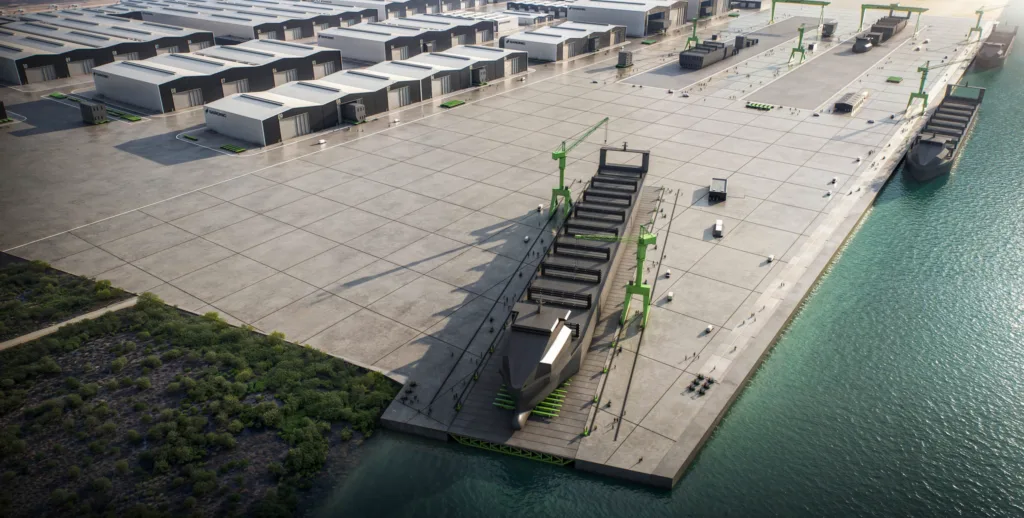
Transitioning from the idea phase to mass production constitutes one of the largest thresholds in the defense supply chain. Although many technology startups show brilliant results during the prototype phase, they may lack the capability to produce at the volume and timing demanded by the Pentagon. Projects that remain merely on paper pose a major risk for military planners. The procurement authority seeks business partners with the industrial infrastructure that will adhere to cost-schedule baselines and multiply production during crises. Therefore, startups lacking manufacturing infrastructure must inspire confidence in procurers by bringing experienced manufacturing engineers and operations leaders on board as a precondition for securing orders.
The Era of Unmanned Systems in Navy Inventory
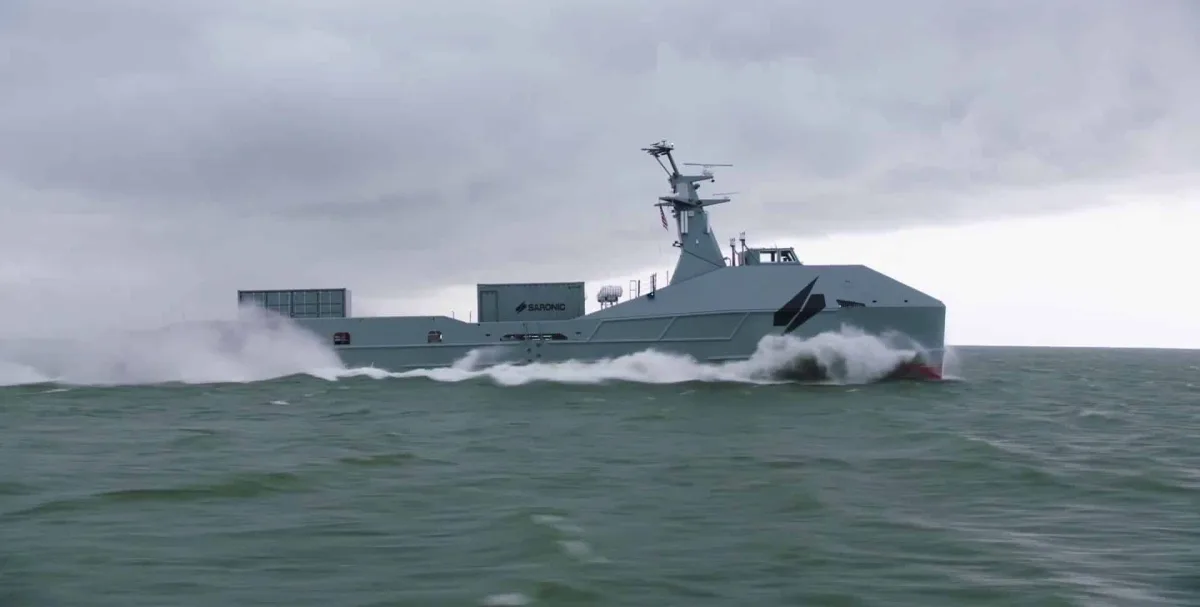
Defense budget and procurement moves are not limited to software alone, witnessing a major transformation in the hardware domain as well. Taking a new step that will fundamentally change its approach to surface warfare, the U.S. Navy has accelerated its medium unmanned surface vehicle (USV) procurement program. Contracts have been signed with three different defense industry firms for the construction of a total of 30 unmanned platforms, with the unit cost of each determined to be approximately $40 million. Industry leading actors Galliano Marine Services, HII, and Saronic will each build ten vehicles within this scope. The first deliveries are expected to enter the navy inventory in the final quarter of upcoming years, on schedule. This move clearly proves that while reducing the risk margin of manned platforms in open ocean operations, autonomous swarm capabilities against asymmetric threats are being placed at the center of naval strategies.
Conclusion and Future Perspective
These developments in the defense and aerospace sector clearly demonstrate that technological superiority can now be achieved not only in laboratories, but through proper budget management, flexible procurement strategies, and strong manufacturing capacity. Startups that can keep pace with the Pentagon's budget cycles and integrate autonomous and unmanned systems into operational concepts will dominate the future defense market. This integration process between traditional bureaucracy and the agile technology ecosystem will redefine all building blocks of the military supply chain in the upcoming period.