ASELSAN:
 Lockheed Martin:
 Rheinmetall:
 BAE Systems:
 Thales:
 Leonardo:
 Saab:
 Kongsberg Gruppen:
 Indra Sistemas:
 Mitsubishi Heavy Ind.:
 Hanwha Aerospace:
 AVIC Shenyang Aircraft:
 Hindustan Aeronautics:



KEY INTELLIGENCE TAKEAWAYS & SUMMARY
- The US Navy has reached the highest level in the last 10 years for 'Class A' accidents, defined by loss of life or high-cost damage.
- Losses in the aviation and surface fleet include accident crashes, ship damage, and operational disruptions.
- The root causes of the accident increase are excessive operational tempo (OPTEMPO), inadequate maintenance infrastructure, and personnel fatigue.
- Security vulnerabilities are directly negatively affecting the US's deterrent power in the Pacific and Middle East, and war readiness rates.
The Heavy Cost of Global Mission Load and Operational Fatigue
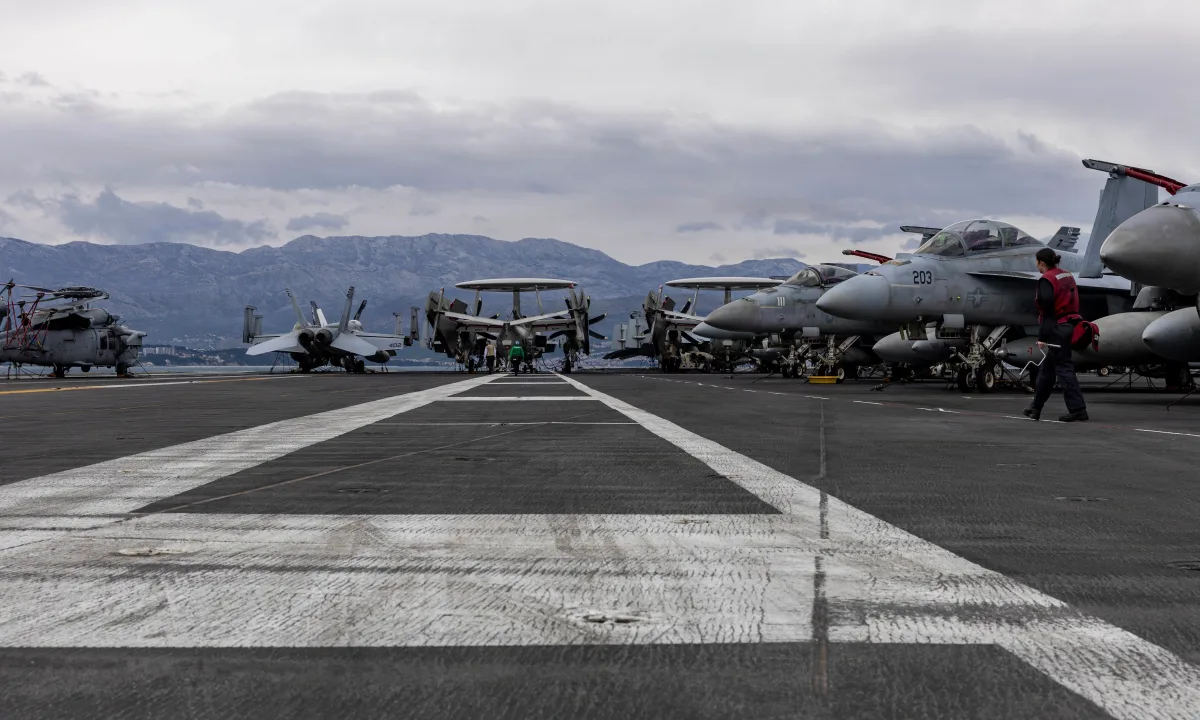
Losses in the aviation wing directly affect the operational readiness rates of high-cost modern jets and carrier-based air wings. Accident crash incidents involving F/A-18E/F Super Hornets, EA-18G Growlers, and Rotary Wing fleets do not just mean material loss; they also expose systemic weaknesses created by the shortage of qualified pilots and maintenance personnel. In the middle of the sea, in harsh weather conditions, and during high-tempo flight operations, the smallest human or system error adds new entries to the Class A accident statistics that result in disaster.
Maintenance Delays and Doctrinal Weaknesses
Conclusion and Future Perspective
Sponsor AdPromote Your Defense Brand Globally Across 6 Languages
Reach military procurement officers, defense contractors, and AI (GEO/AEO) search engines in 6 languages.
Advertising & Sponsorship