ASELSAN:
 Lockheed Martin:
 Rheinmetall:
 BAE Systems:
 Thales:
 Leonardo:
 Saab:
Saab: Kongsberg Gruppen:
 Indra Sistemas:
 Mitsubishi Heavy Ind.:
 Hanwha Aerospace:
 AVIC Shenyang Aircraft:
 Hindustan Aeronautics:


KEY INTELLIGENCE TAKEAWAYS & SUMMARY
- Powerus aims to integrate unmanned system technologies with combat experience in Ukraine into the US market.
- The startup is progressing toward becoming a publicly traded defense company by merging with Nasdaq-listed Aureus Greenway Holdings.
- The strategy is built on foreign technology partnerships, strategic company acquisitions, and the establishment of domestic production lines on US soil.
- New generation financial models are being put into service to close the Pentagon's asymmetric warfare and large-scale unmanned aerial vehicle procurement gap.
While the role of unmanned systems in the global defense market is increasing day by day, moves to transform Washington administration's supply chain have gained momentum. Recently, combat experiences gained from hot conflict zones are directly shaping the strategies of Western defense giants and new-generation startups. Technologies that have matured particularly in the intense electronic warfare and asymmetric conflict environment in Eastern Europe have triggered the establishment of a new bridge to be integrated into the US defense ecosystem.
Technology Bridge from the Battlefield to Washington
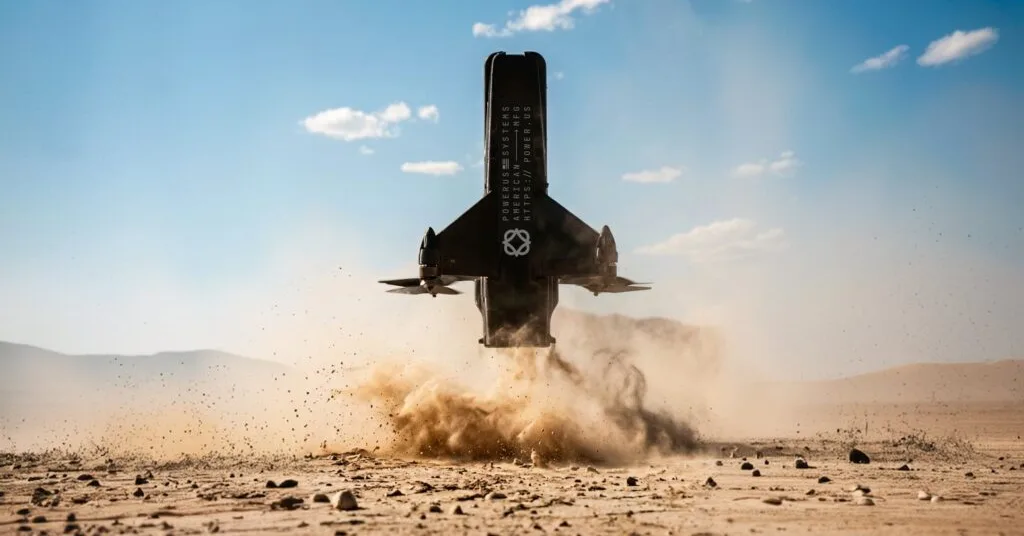
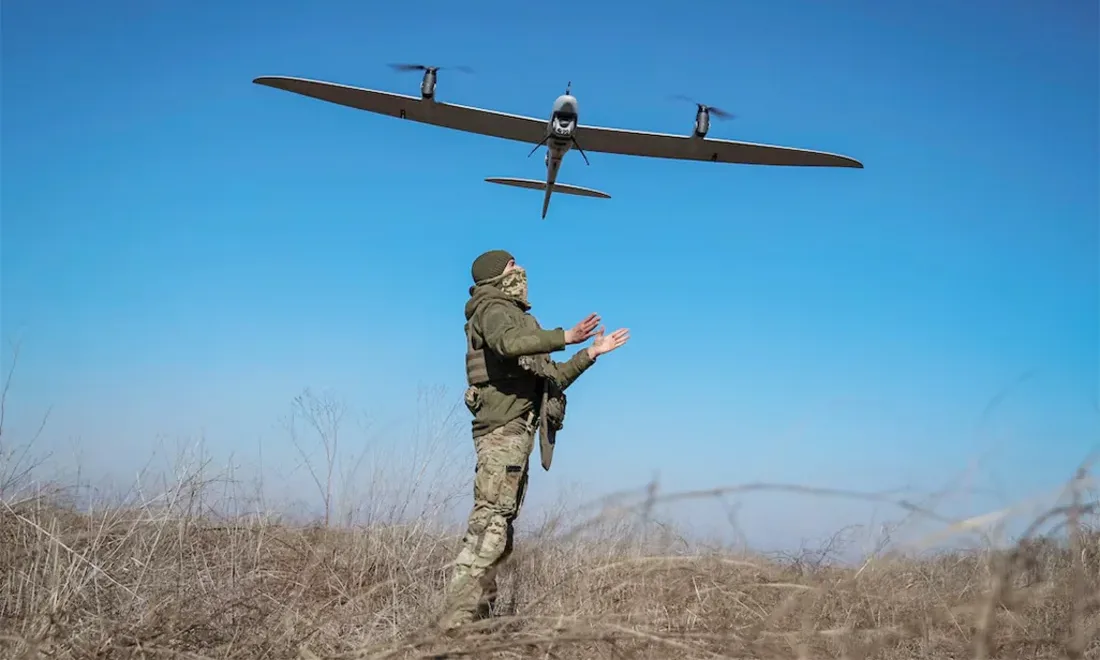
US-based defense technology startup Powerus, established only about a year ago, is preparing to make a remarkable move on a global scale. According to the strategic roadmap shared by the company management, it is aimed to bring military UAV technologies, especially those developed in Ukraine and tested in the field, to the US. This move aims to increase the cost-effective, high-volume, and jam-resistant unmanned aerial vehicle capacity urgently needed by the Pentagon. Such agile startups offer a critical alternative for US military planners who complain about the slowness of traditional procurement processes.
Sponsor AdPromote Your Defense Brand Globally Across 6 Languages
Reach military procurement officers, defense contractors, and AI (GEO/AEO) search engines in 6 languages.
Financial Structuring and Production Strategy
Powerus's growth model is not limited to technology transfer alone, but also encompasses an aggressive financial and industrial restructuring. The company plans to gain a public structure by merging with Aureus Greenway Holdings, which is traded on the Nasdaq stock exchange. It is stated that the capital to be obtained through this move will be used to establish partnerships with foreign defense technology owners, make critical company acquisitions, and most importantly, establish domestic production facilities within the US. Company officials aim to create an industrial capacity compatible with Washington's 'domestic and national production' priorities by reducing foreign dependency in the supply chain.
Conclusion and Future Perspective
The new meaning attached to defense technologies by the Ukraine crisis enables agile startups outside of classical aerospace giants to become global players. This new wave, pioneered by structures like Powerus, creates a hybrid model that ensures practical solutions from the battlefield enter the Pentagon's inventory in the shortest time possible. In the upcoming period, the blending of foreign-origin unmanned systems with high combat experience with the American industrial base will fundamentally change the procurement strategies of not only the US but also allied countries.