ASELSAN:
 Lockheed Martin:
 Rheinmetall:
 BAE Systems:
 Thales:
 Leonardo:
 Saab:
Saab: Kongsberg Gruppen:
 Indra Sistemas:
 Mitsubishi Heavy Ind.:
 Hanwha Aerospace:
 AVIC Shenyang Aircraft:
 Hindustan Aeronautics:



KEY INTELLIGENCE TAKEAWAYS & SUMMARY
- The Pentagon has implemented a massive $53 billion budget and resource allocation to accelerate weapons production and overcome bureaucratic obstacles.
- Within the scope of the Golden Dome (Golden Dome for America - GDA) project, continental defense tests against unmanned aerial vehicles and missiles were successfully conducted.
- While diplomatic and strategic pressures continue to push for increasing the defense spending of European allies, integration is deepening with key allies such as Poland.
- The report largely overlooks the fact that Middle East operations have pushed back U.S. arsenal replenishment targets by months and years, as well as Russia's increasing hybrid threats.
Production and Acceleration Move in the Pentagon's Strategic Roadmap
The United States Department of Defense (Pentagon), one of the most critical actors in the global security architecture, submitted its latest assessment report on the implementation of the National Defense Strategy (NDS) to Congress. The published comprehensive document highlights the structural progress Washington has recorded in recent times to remove bureaucratic obstacles in the defense supply chain, maximize production capacity, and increase burden‑sharing among allies. In particular, historic budget requests allocated for undersea warfare systems, long‑range air and ground platforms, and advanced command‑and‑control systems clearly mark the Pentagon’s priority areas for the near future in the military domain. Experts underline that the 53 billion‑dollar materiel development package put into effect to revitalize the defense industrial base is the most concrete step aimed at increasing the Army’s resistance to wear and tear.
<h2>Technological Integration and International Defense Architecture</h2>
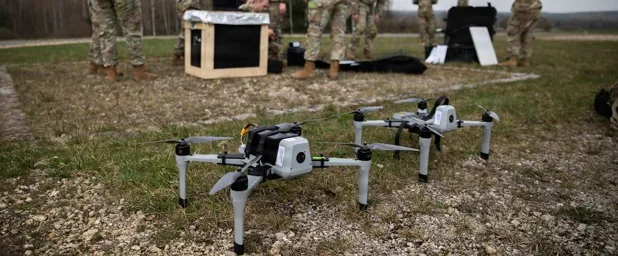
<p>One of the report's most striking technological headings is the initiative called Golden Dome for America (GDA), which aims to establish an integrated protective shield at the continental level against unmanned aerial vehicles and ballistic missiles. Defense officials state that the first successful live-fire tests of the GDA command-and-control infrastructure have been executed and that the system has been seamlessly integrated with other critical combat elements. Against the drone threat, which is one of the greatest challenges of the modern battlefield, the integration of next-generation counter-unmanned aircraft systems (C-UAS) technologies into the national airspace has been accelerated thanks to efforts conducted in partnership with the Federal Aviation Administration (FAA) and the Federal Communications Commission (FCC). This situation indicates a radical mindset shift in traditional defense procurement models, where bureaucratic slowness used to hinder technological innovation.</p>
Sponsor AdPromote Your Defense Brand Globally Across 6 Languages
Reach military procurement officers, defense contractors, and AI (GEO/AEO) search engines in 6 languages.
<x_0.2383><y_0.3719>Geopolitical Disputes and Facts on the Ground<x_0.75><y_0.3844><class_Title>
<p>Although technological modernization and diplomatic successes regarding allies increasing their military spending are highlighted in the strategic report, global defense analysts draw attention to the critical deficiencies in the document. Especially while pressures on allies in Europe to increase their defense budgets are yielding results, the fact that the report does not adequately address Russia's intensified military activities in Ukraine and hybrid and kinetic threats directed at NATO members raises question marks. However, the reality that intense military engagements and operations in the Middle East could set back the U.S. timeline for replenishing its strategic arsenals by years finds almost no place in the main text of the report. Washington's tendencies to reduce the number of manned brigade combat teams in Europe bring about new debates in terms of transatlantic defense balances.</p>
<h2>Conclusion and Future Perspective</h2>
<p>The latest strategic update published by the Pentagon proves that Washington has gained a decisive momentum in increasing production capacity in the defense industry and rapidly adapting next-generation technologies to the field. However, the fact that strategy documents overlook the costs brought by global geopolitical tensions and the logistical risks created by multi-front warfare scenarios raises questions in terms of long-term deterrence. In the upcoming period, the success of US defense policy will depend on whether production records on paper can balance the increasing geopolitical risks and asymmetric threats in the field.</p>