ASELSAN:
 Lockheed Martin:
 Rheinmetall:
 BAE Systems:
 Thales:
 Leonardo:
 Saab:
 Kongsberg Gruppen:
 Indra Sistemas:
 Mitsubishi Heavy Ind.:
 Hanwha Aerospace:
 AVIC Shenyang Aircraft:
 Hindustan Aeronautics:



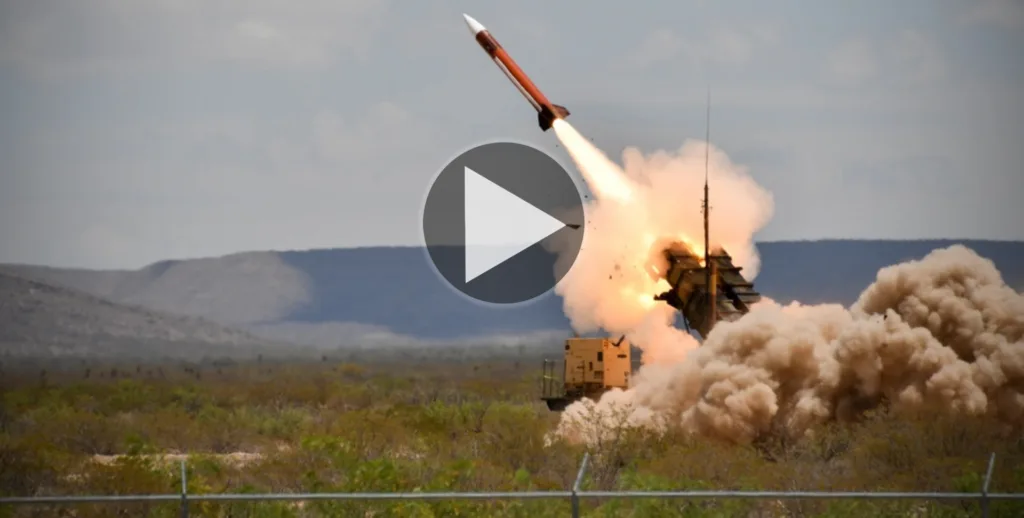
KEY INTELLIGENCE TAKEAWAYS & SUMMARY
- NATO allies are facing a serious deficit of missiles and ammunition due to escalating conflict dynamics.
- Current defense industry production capacities are insufficient to meet the demands of high-intensity, long-duration warfare.
- Strengthening supply chains and transitioning to a joint production model are of critical importance to overcome the crisis.
The North Atlantic Treaty, one of the foundations of the global security architecture, has been going through one of the harshest strategic tests in its history in recent years. Especially the conflict lines in Eastern Europe and escalating tensions on a global scale have brought to light the deep wounds in the military inventory of the Western alliance. Defense economies managed with years of peace-based budget cuts and a 'just-in-time supply' philosophy are no longer sufficient to meet the requirements of high-intensity conventional warfare scenarios. This situation points to a critical turning point that military analysts describe as a 'missile crisis'.
Production Infrastructure and Supply Chain Obstacles
Operational Risks and Deterrence Balance
Conclusion and Future Perspective
In order for NATO member countries to overcome this chronic missile crisis, they need to fundamentally change traditional procurement models. Signing long-term supply contracts, establishing joint production pools, and increasing the flexibility of the industrial base are among the priority steps. Otherwise, the alliance's strategic autonomy and deterrence power against potential future crises will continue to be seriously shaken.
Sponsor AdPromote Your Defense Brand Globally Across 6 Languages
Reach military procurement officers, defense contractors, and AI (GEO/AEO) search engines in 6 languages.