ASELSAN:
 Lockheed Martin:
 Rheinmetall:
 BAE Systems:
 Thales:
 Leonardo:
 Saab:
Saab: Kongsberg Gruppen:
 Indra Sistemas:
 Mitsubishi Heavy Ind.:
 Hanwha Aerospace:
 AVIC Shenyang Aircraft:
 Hindustan Aeronautics:


KEY INTELLIGENCE TAKEAWAYS & SUMMARY
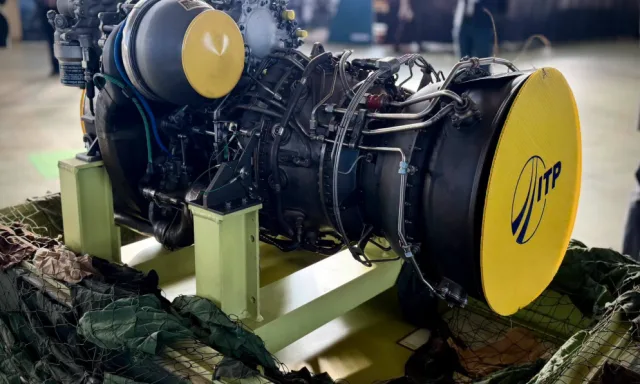
- Poland is establishing an MRO (maintenance, repair, and overhaul) center for T700/CT7 helicopter engines with GE Aerospace at the WZL-1 facilities in Dęblin.
- The agreement is a critical part of a 1.2 billion Zloty industrial offset package tied to Poland's $10 billion procurement of 96 AH-64E Apache helicopters.
- The facility will provide logistical sustainment services for AH-64E, Black Hawk, AW149, and AW101 helicopters, as well as US and NATO forces stationed in Europe.
- Together with the maintenance of AGT1500 turbine engines for Abrams tanks, the WZL-1 facilities will become one of Eastern Europe's largest turbine engine centers of excellence.
Rapidly modernizing its defense industry amid the geopolitical crisis environment in Eastern Europe, Poland has taken another strategic step toward becoming a critical logistical hub along the Eastern Alliance line. The Polish Ministry of Defense has concluded a comprehensive agreement with American aerospace giant GE Aerospace to establish maintenance, repair, and overhaul (MRO) capabilities for T700/CT7 helicopter engines within the Military Aviation Works No. 1 (WZL-1) facility located in the city of Dęblin. This move enhances Poland's military deterrence while elevating the country to the position of NATO's most important helicopter maintenance base on the Eastern Flank.
This MRO agreement is a direct extension of Warsaw's procurement of 96 AH-64E Apache attack helicopters, signed with the US in August 2024, which stands as the largest arms acquisition project in Polish history. Conceived as part of the massive Apache package valued at approximately $10 billion, this step also encompasses a critical industrial offset package worth approximately 1.2 billion Zloty. Thanks to the technology transfer realized, Polish engineers and technicians will gain direct, deep competence in turbine engine technologies, which form the backbone of modern military aviation.
Sponsor AdPromote Your Defense Brand Globally Across 6 Languages
Reach military procurement officers, defense contractors, and AI (GEO/AEO) search engines in 6 languages.
Logistical Architecture to Serve a Broad Allied Network
The infrastructure to be established at the WZL-1 facilities in Dęblin will not be limited solely to the AH-64E Apache helicopters entering the inventory of the Polish Land Forces. Thanks to the wide operational scope of the T700/CT7 engine family, the facility will be brought to a technical capacity capable of performing engine maintenance for S-70/UH-60 Black Hawk, AgustaWestland AW149, and heavy-class AW101 helicopters as well.
Furthermore, as emphasized by Polish defense officials, this capability will also directly serve the operational sustainment of US Army elements stationed in Europe and other NATO allies. This aims to minimize logistical bottlenecks in engine maintenance and spare parts processes during a potential crisis, and to keep the combat readiness rates of allied fleets at the highest level.
Synergy and Industrial Integration in Turbine Technology
Poland's defense industry strategy relies on creating a sustainable and integrated sustainment capability rather than procuring individual platforms. Concurrently with the T700/CT7 project, the WZL-1 facilities are developing a separate infrastructure for the maintenance of AGT1500 gas turbine engines used in Abrams main battle tanks. It is planned to transform Dęblin into a regional center of excellence for the turbine engines of both rotary-wing aircraft and heavy armored units.
Additionally, parallel offset agreements made with Boeing regarding airframe sustainment and with Lockheed Martin concerning AN/APG-78 Longbow radars and avionics systems are cementing the place of the Polish aviation industry in the global supply chain.
Conclusion and Future Perspective
This partnership realized by Poland with GE Aerospace clearly demonstrates the country's vision of not merely remaining an end-user, but becoming a critical industrial partner in the global defense industry ecosystem. Reshaping the deterrence architecture in Eastern Europe, Warsaw successfully converts billions of dollars in procurement expenditures back into high-technology transfer and sustainable logistical infrastructure for its domestic industry.
With the Dęblin facilities reaching full operational capacity in the upcoming period, Poland will become an indispensable strategic focal point in NATO's air and ground turbine engine sustainment, significantly reinforcing the alliance's operational flexibility on the Eastern Flank.