ASELSAN:
 Lockheed Martin:
 Rheinmetall:
 BAE Systems:
 Thales:
 Leonardo:
 Saab:
 Kongsberg Gruppen:
 Indra Sistemas:
 Mitsubishi Heavy Ind.:
 Hanwha Aerospace:
 AVIC Shenyang Aircraft:
 Hindustan Aeronautics:



KEY INTELLIGENCE TAKEAWAYS & SUMMARY
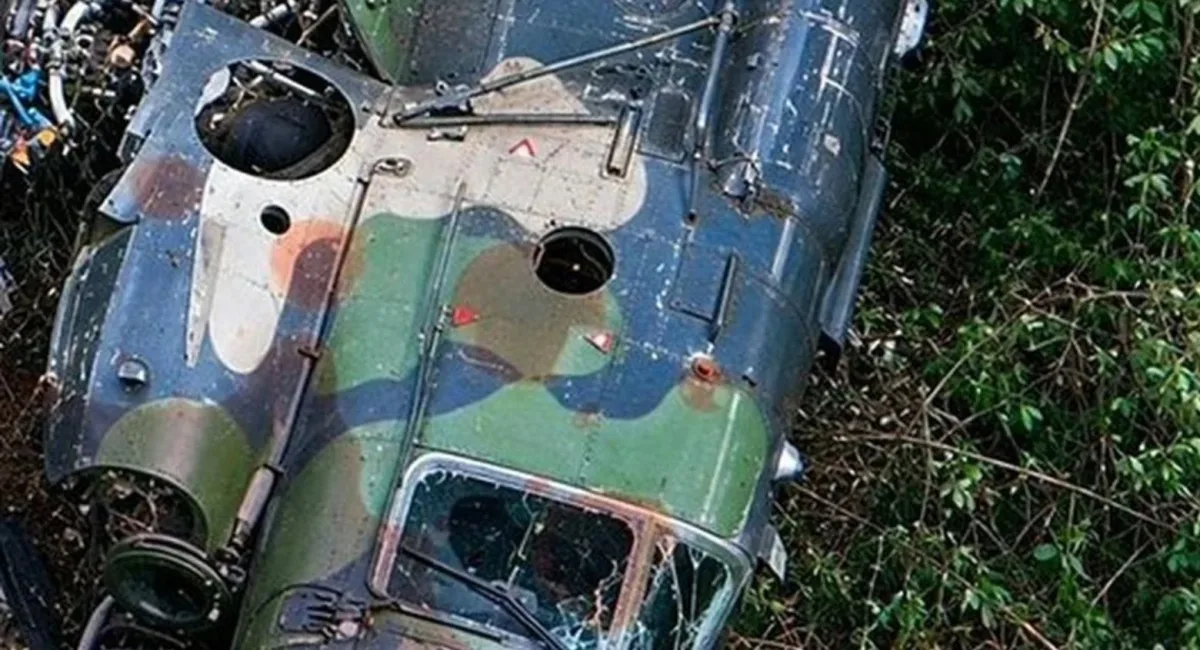
- The crash of a Mi-17 helicopter belonging to the Peruvian Air Force during a evacuation mission in the VRAEM region resulted in the death of 8 soldiers and serious injury to 1 pilot.
- The incident marks the second fatal crash involving the same type of platform this year, following a Mi-17 crash in February in which 15 personnel lost their lives.
- The VRAEM zone, known for its rugged terrain, unfavorable climate conditions, and presence of the Sendero Luminoso terrorist organization, provides an extremely high-risk environment for military aviation.
- The crisis in spare parts and maintenance, caused by sanctions applied following the Russia-Ukraine war, has critically affected the flight safety of the Russian-origin Mi-17 fleet.
Tactical Challenges and Mission Profile of the VRAEM Region
The VRAEM zone, where the steep slopes of the Andes Mountains meet dense tropical rainforests, creates an excessively draining operational environment for helicopter pilots, presenting high altitude and high temperature (High and Hot) conditions simultaneously. High humidity, sudden changes in weather conditions, and limited visibility zero out the margins in low-altitude search-and-rescue operations. In this tactical environment, the timely execution of military evacuations and medical evacuations is entirely dependent on helicopter platforms. The sustained operational tempo of the Peruvian Armed Forces in the region imposes significant wear pressure on airframe and engine life.
Operational Burden of Mi-17 Platforms and Logistical Realities
Conclusions and Future Prospects
This latest accident in the VRAEM zone compels the Peruvian Ministry of Defense to make radical decisions at both tactical and strategic levels. On one hand, air mobility holds vital importance in the fight against drug traffickers and remnants of Aydınlık Yol routes, while on the other hand, continuing operations with aging and maintenance-blocked platforms is deemed unacceptable, leading to severe loss of life. In the forthcoming period, it is inevitable that Peru will accelerate the modernization process of its rotorcraft fleet or transition to Western-origin alternative platforms. Military aviation experts anticipate that the Lima administration will initiate an urgent flight safety review and may decide on a temporary grounding (grounding) of the fleet overall.
Sponsor AdPromote Your Defense Brand Globally Across 6 Languages
Reach military procurement officers, defense contractors, and AI (GEO/AEO) search engines in 6 languages.