ASELSAN:
 Lockheed Martin:
 Rheinmetall:
 BAE Systems:
 Thales:
 Leonardo:
 Saab:
 Kongsberg Gruppen:
 Indra Sistemas:
 Mitsubishi Heavy Ind.:
 Hanwha Aerospace:
 AVIC Shenyang Aircraft:
 Hindustan Aeronautics:



KEY INTELLIGENCE TAKEAWAYS & SUMMARY
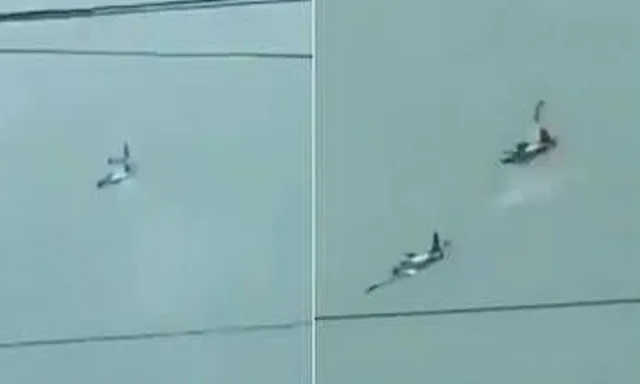
- In the crash that occurred at Fernando Air Base in Batangas, two SF-260 twin-propeller training aircraft collided in mid-air.
- As a result of the crash, a total of four Philippine Air Force pilots on board the aircraft lost their lives.
- While military authorities launched a comprehensive investigation to determine the exact cause of the crash, they grounded the SF-260 fleet as a precautionary measure.
- Having made headlines with similar accidents in past years, SF-260 platforms were also actively used in light attack roles during the Marawi clashes.
Technical Capacity and Field Balances
Fleet Safety and Investigation Process
Following the crash, the command echelon of the Philippine Air Force reacted swiftly, deciding to ground the entire SF-260 fleet until further notice. An expert accident investigation team was dispatched to the region to examine meteorological factors, the human factor, radio communication records, and flight data recorders (FDR) behind the collision. Military analysts point out that accidents resulting in such multiple casualties place a heavy burden not only in terms of manpower, but also on the strategic pilot training pipeline. When the training fleet will return to active service depends on the outcome of the technical examinations to be conducted.
Conclusion and Future Perspective
Sponsor AdPromote Your Defense Brand Globally Across 6 Languages
Reach military procurement officers, defense contractors, and AI (GEO/AEO) search engines in 6 languages.