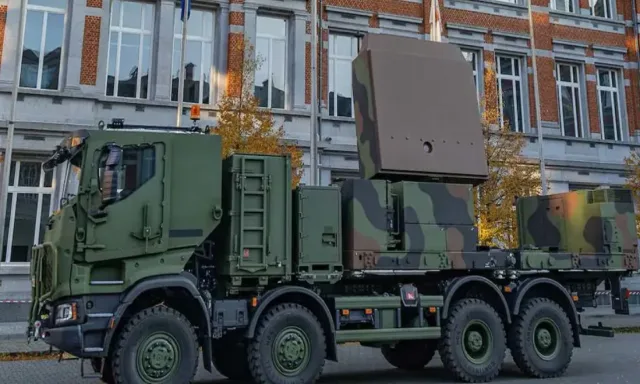
ASELSAN:
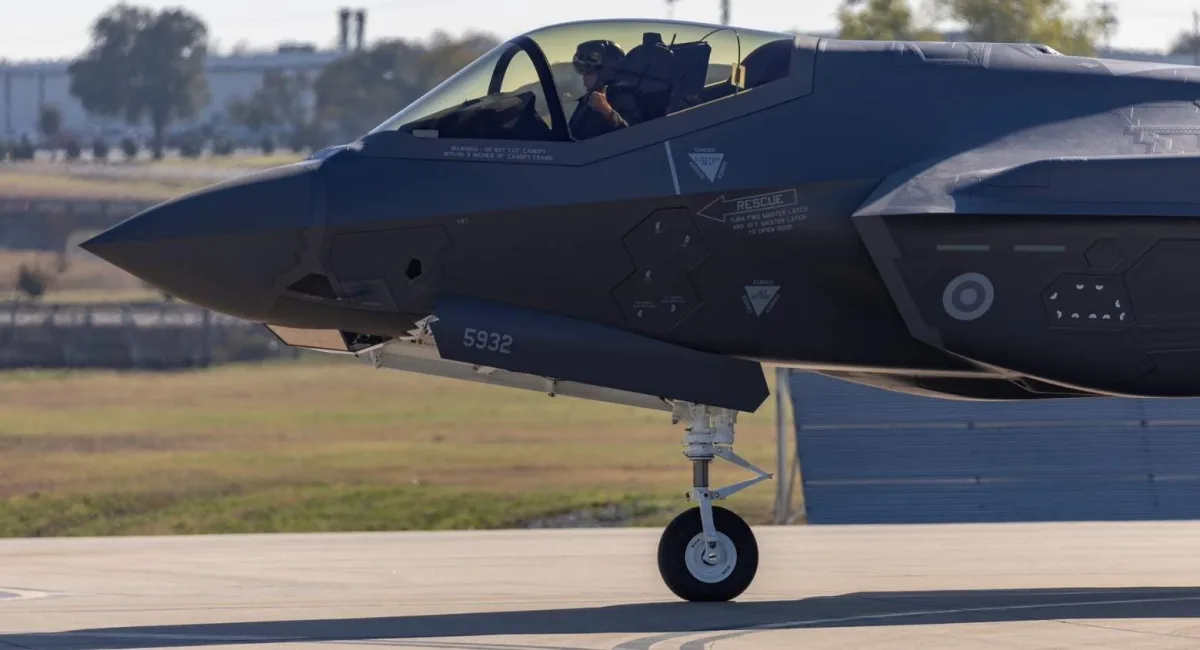
 Lockheed Martin:
 Rheinmetall:
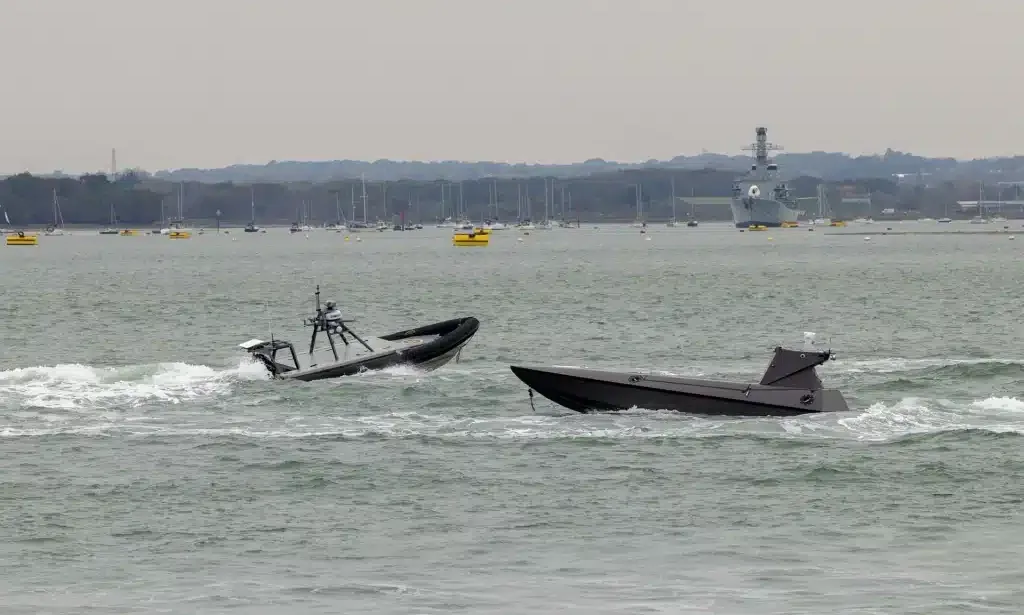
 BAE Systems:
 Thales:
 Leonardo:
 Saab:
 Kongsberg Gruppen:
 Indra Sistemas:
 Mitsubishi Heavy Ind.:
 Hanwha Aerospace:
 AVIC Shenyang Aircraft:
 Hindustan Aeronautics:



KEY INTELLIGENCE TAKEAWAYS & SUMMARY
- In the recent attack in the Strait of Hormuz, Iranian elements operating small speedboats attached magnetic mines (limpet mines) to the tanker's hull.
- Although the US Central Command (CENTCOM) claims to have cleared major naval mines in the sea lanes, asymmetric threats continue to threaten security in coastal waters.
- The intense clashes and rising wave of attacks in the region caused the price of Brent crude oil to exceed $117 per barrel, its highest level in four years.
Asymmetric Threat in the Strait of Hormuz: Magnetic Mine Attack
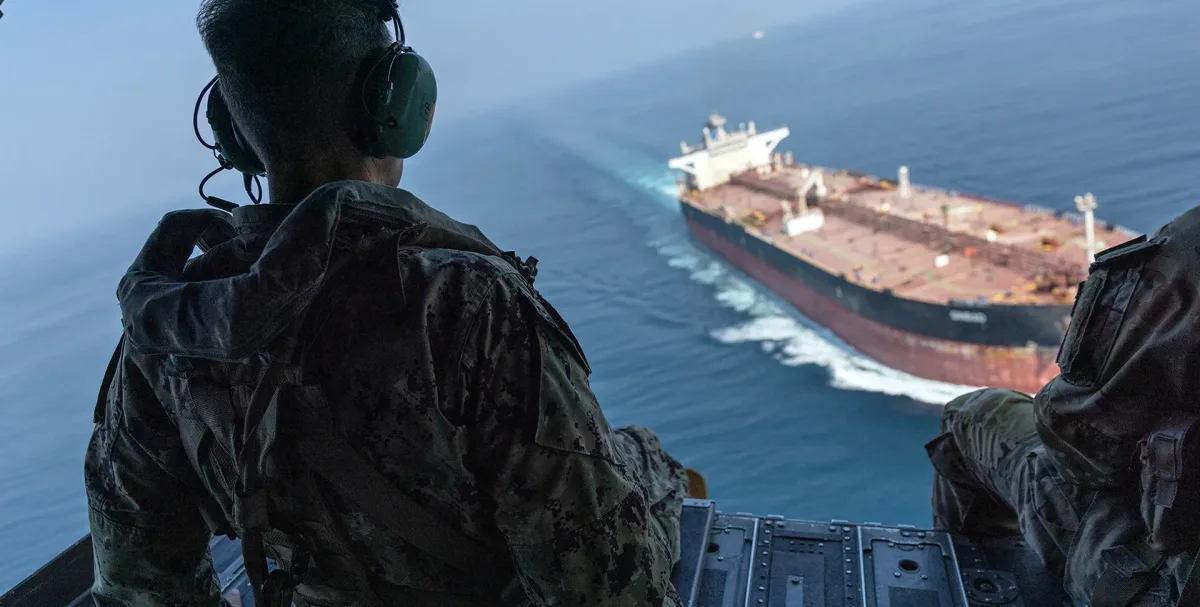
The Strait of Hormuz, where the heart of global energy beats, witnessed a critical incident demonstrating the resurgence of asymmetric warfare tactics in strategic waterways. According to available information, a tanker named Louise 1, belonging to a Dubai-based company, became the target of a small attack boat during its passage through the region. In a stealthy operation, elements disembarking from the boat placed two explosives just above the waterline of the tanker's hull. The violent explosion that occurred shortly after led to a major fire breaking out in the ship's engine room.
Technical Capacity and Security Vulnerabilities in the Field
Conclusion and Future Perspective
Sponsor AdPromote Your Defense Brand Globally Across 6 Languages
Reach military procurement officers, defense contractors, and AI (GEO/AEO) search engines in 6 languages.