ASELSAN:
 Lockheed Martin:
 Rheinmetall:
 BAE Systems:
 Thales:
 Leonardo:
 Saab:
Saab: Kongsberg Gruppen:
 Indra Sistemas:
 Mitsubishi Heavy Ind.:
 Hanwha Aerospace:
 AVIC Shenyang Aircraft:
 Hindustan Aeronautics:


KEY INTELLIGENCE TAKEAWAYS & SUMMARY
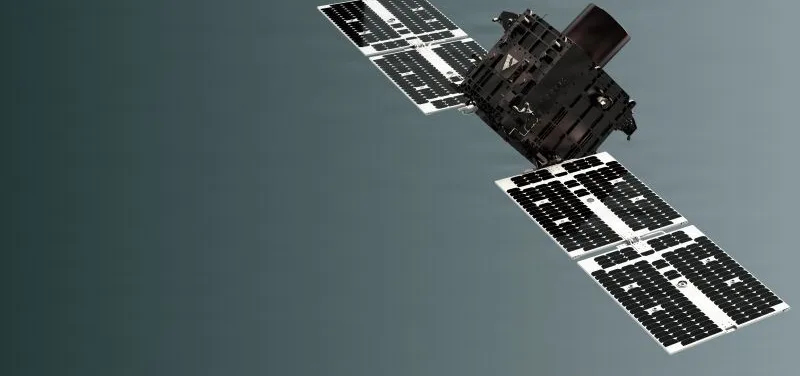
- The US Space Force has partnered with Northrop Grumman and True Anomaly for the GHOST-R program, which will operate in the geostationary orbit at 22,000 miles (approximately 35,000 kilometers).
- Northrop Grumman will deliver a suitcase-sized prototype equipped with a commercial optical sensor within an accelerated 24-month schedule, utilizing the ESPASat-L platform.
- True Anomaly will integrate its Jackal autonomous orbital vehicle and Mosaic command-and-control system into this critical intelligence architecture.
- The newly developed space-to-space imaging and targeting satellites are planned to be launched directly into geostationary orbit in 2028.
As the struggle for orbital dominance among global powers heats up, the US Space Force has taken a strategic step that will radically transform space-based intelligence and reconnaissance capabilities. The Pentagon and the Space Systems Command have signed prototype contracts with two critical companies for next-generation satellites that will provide high-resolution imaging of objects located in the geostationary orbit (GEO) at altitudes higher than 22,000 miles (approximately 35,000 kilometers). Dubbed the Geostationary High-Resolution Optical Space-Based Tactical Reconnaissance (GHOST-R) program, this move brings revolutionary innovations to the global space architecture.
Technical Capacity and Field Balances
As emphasized by Space Command officials, neutralizing asymmetric threats in space requires first precisely finding, fixing, tracking, and targeting these assets. The GHOST-R program aims to characterize resident space objects in geostationary orbit by integrating commercially developed spacecraft, standard platforms, and electro-optical payloads. This approach not only reduces dependence on traditional and costly large satellites, but also brings agility to the defense supply chain through a rapid prototyping concept.
Sponsor AdPromote Your Defense Brand Globally Across 6 Languages
Reach military procurement officers, defense contractors, and AI (GEO/AEO) search engines in 6 languages.
Under the contract, defense giant Northrop Grumman has committed to producing a prototype designed in the size of a 'small suitcase' and utilizing the ESPASat-L spacecraft infrastructure on an accelerated 24-month timeline. The system will be equipped with a commercial optical sensor architecture to provide allied forces with instant and clear situational awareness in the increasingly crowded and contested nature of space. Meanwhile, True Anomaly, a young and innovative actor in the sector, is participating in the project with its Jackal autonomous orbital vehicle and the Mosaic command-and-control system, which features a dynamic operations sensor suite. These solutions developed by the company promise a reactive and flexible intelligence architecture against highly maneuverable potential adversary platforms.
GHOST-R program
Conclusion and Future Perspective
The next-generation prototypes produced under the GHOST-R program are projected to be launched directly into geostationary orbit by 2028 and begin government-supervised operational missions by 2029. This agile, low-cost orbital fleet powered by commercial technologies, which is preparing to replace traditional heavy and costly reconnaissance satellites, is rewriting the rules of the game in the US space security architecture. Aiming to maximize deterrence and targeting maturity in the space domain, this strategic initiative will form the core backbone of global space warfare strategies in the coming years.