ASELSAN:
 Lockheed Martin:
 Rheinmetall:
 BAE Systems:
 Thales:
 Leonardo:
 Saab:
 Kongsberg Gruppen:
 Indra Sistemas:
 Mitsubishi Heavy Ind.:
 Hanwha Aerospace:
 AVIC Shenyang Aircraft:
 Hindustan Aeronautics:



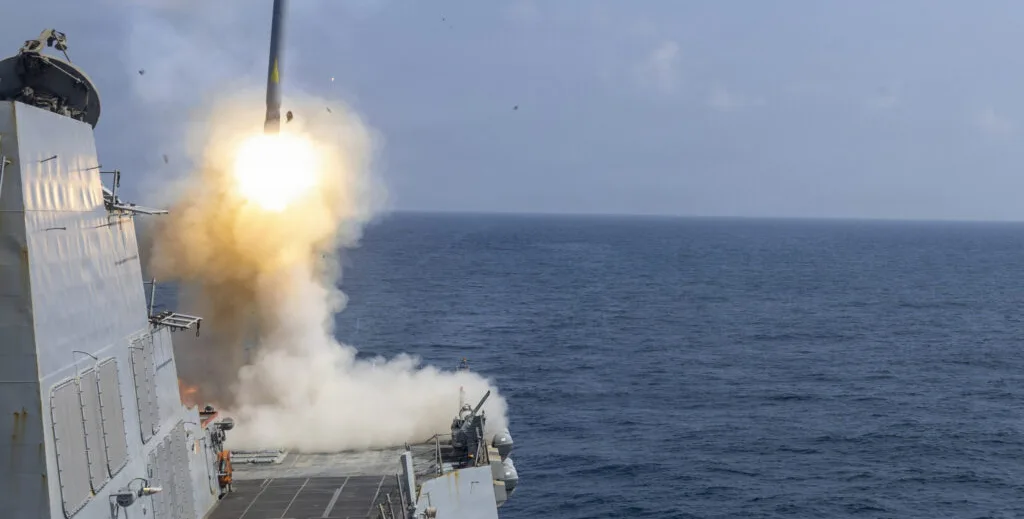
KEY INTELLIGENCE TAKEAWAYS & SUMMARY
- Platforms like the USS Gerald R. Ford and USS McFaul recorded unprecedented operational durations in naval history, exceeding 300 days.
- Shipyard infrastructure and private sector capacity are unable to handle the repair workload brought by the heavily returning naval fleet.
- Disruptions in maintenance schedules and funding prioritizations directly jeopardize the modernization programs of warships.
Record Durations at Sea and Operational Burden
While this situation artificially keeps operational readiness rates high, it has created hard-to-repair wear and tear on the spines and mechanical lifespans of the platforms. As naval staff struggle to manage the maintenance processes of the massive fleet returning from the sea, it is clearly stated that this picture cannot be overcome with short-term solutions. The fact that hundreds of vessels will require shipyard support simultaneously has created a chronic bottleneck in the maintenance of naval power.
Technical Capacity and Balances in the Field
Conclusion and Future Perspective
Sponsor AdPromote Your Defense Brand Globally Across 6 Languages
Reach military procurement officers, defense contractors, and AI (GEO/AEO) search engines in 6 languages.
Advertising & Sponsorship