ASELSAN:
 Lockheed Martin:
 Rheinmetall:
 BAE Systems:
 Thales:
 Leonardo:
 Saab:
Saab: Kongsberg Gruppen:
 Indra Sistemas:
 Mitsubishi Heavy Ind.:
 Hanwha Aerospace:
 AVIC Shenyang Aircraft:
 Hindustan Aeronautics:


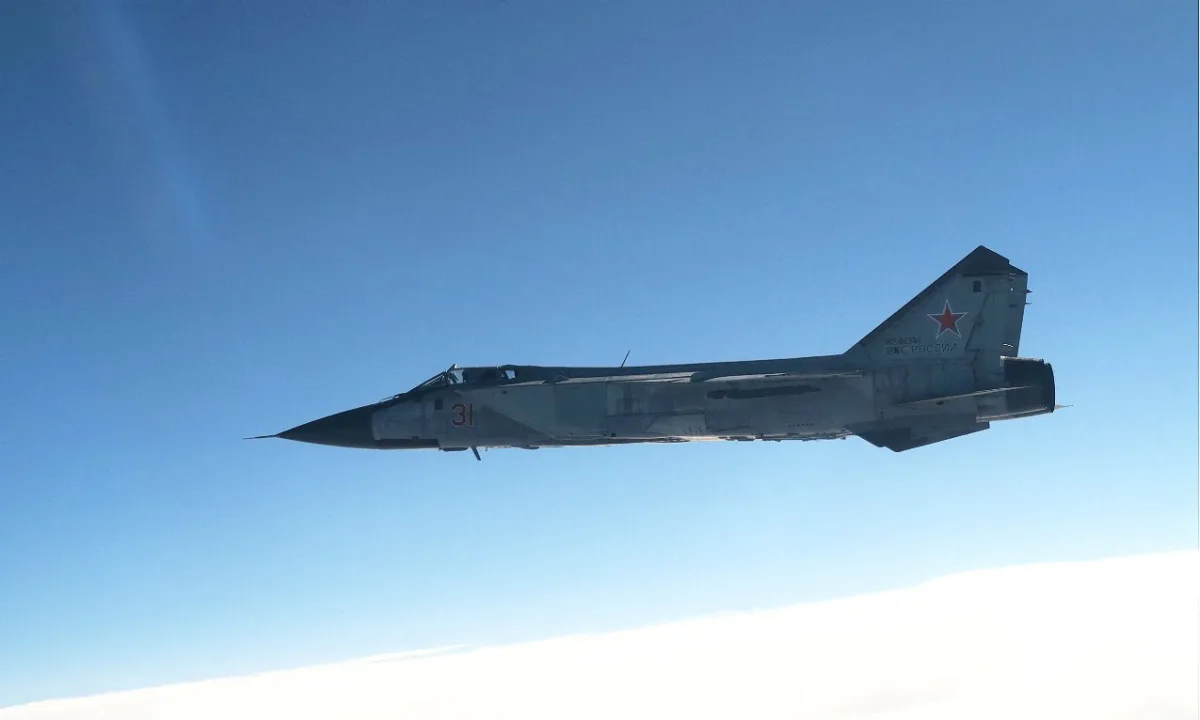
KEY INTELLIGENCE TAKEAWAYS & SUMMARY
- The Moscow administration has set a post-Ukraine war record threshold by raising the 2027 defense budget to 17.1 trillion rubles (approximately $202.6 billion).
- The total military spending plan for the next three years has reached the level of 50 trillion rubles ($591.7 billion).
- In order to maintain budget balance, new additional tax hikes on the mining and metals sectors and an increase in the borrowing ceiling are planned.
- The ratio of public debt to gross domestic product is projected to exceed the threshold of 20 percent, accepted as the safe limit, and rise to 21.7 percent in 2027.
Record Increase and Strategic Objectives in Russia's Defense Budget
Recent budget leaks that will shake global defense markets and geopolitical balances clearly reveal Moscow's transition to a long-term conflict economy. According to leaked government documents, Russia is preparing to allocate a massive budget of 17.1 trillion rubles, or approximately $202.6 billion, for defense and security spending in 2027. This figure represents a massive 27 percent jump compared to the previously projected 13.5 trillion ruble ($159.8 billion) planning and constitutes the highest defense allocation recorded since the conflict began in Ukraine in 2022.
Macroeconomic Rebalancing and Financing Models
Increasing military spending brings along certain structural pressures in other areas of the national economy and fiscal balances. According to the obtained documents, the government had to raise its 2026 budget deficit forecast from the previous 1.6 percent level to 3.2 percent. While total budget expenditures are projected to increase by 13.2 percent in 2026 to reach 48.6 trillion rubles, this corresponds to 20.9 percent of the gross domestic product. New tax packages to be submitted for parliamentary approval are being put into effect to meet the increasing financing needs.
Sponsor AdPromote Your Defense Brand Globally Across 6 Languages
Reach military procurement officers, defense contractors, and AI (GEO/AEO) search engines in 6 languages.
Within the framework of this fiscal strategy, new additional taxes to be introduced on the metals and mining sectors are expected to provide approximately 200 billion rubles ($2.4 billion) in additional revenue on an annual basis. Furthermore, to narrow the budget deficit, the net borrowing plan in 2026 will be increased by 26 percent to 5 trillion rubles, and 459 billion rubles—equivalent to 11 percent of the liquid part of the National Wealth Fund—will be spent. Despite all these measures, the ratio of public debt to GDP is projected to rise from 19.9 percent in 2026 to 21.7 percent in 2027, exceeding the 20 percent level considered by authorities as the safe limit.
Hend
Conclusion and Future Perspective
This upward trend in Russia's defense spending clearly proves that the Kremlin administration has no intention of abandoning its strategic objectives in Ukraine and is preparing for a protracted war of attrition. Flexing macroeconomic risks and borrowing ceilings to ensure the uninterrupted production of the defense industrial base has become a secondary issue for Moscow. This budget move, which will directly affect the course of global defense budgets in the coming years, will increase the pressure on Western countries to mobilize their own military-industrial complexes and will exponentially raise the cost of geopolitical competition.