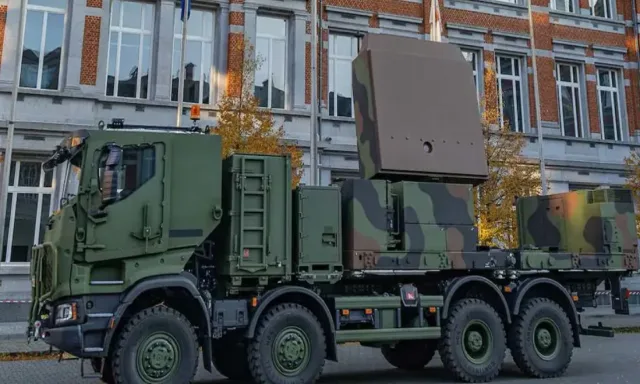
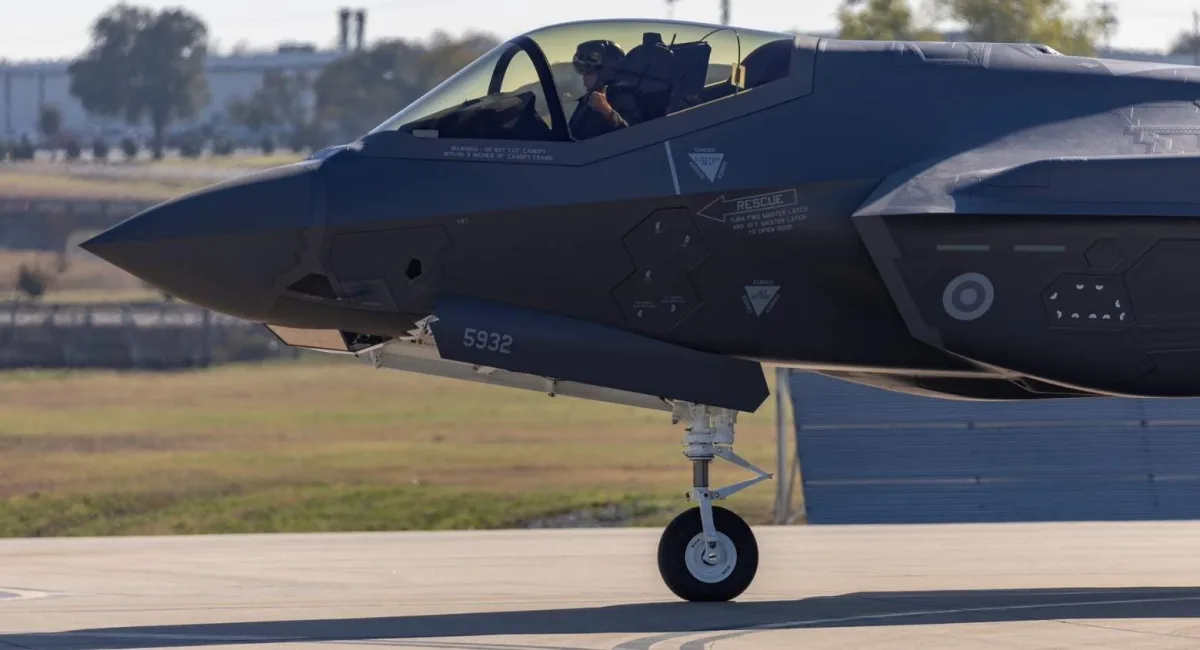
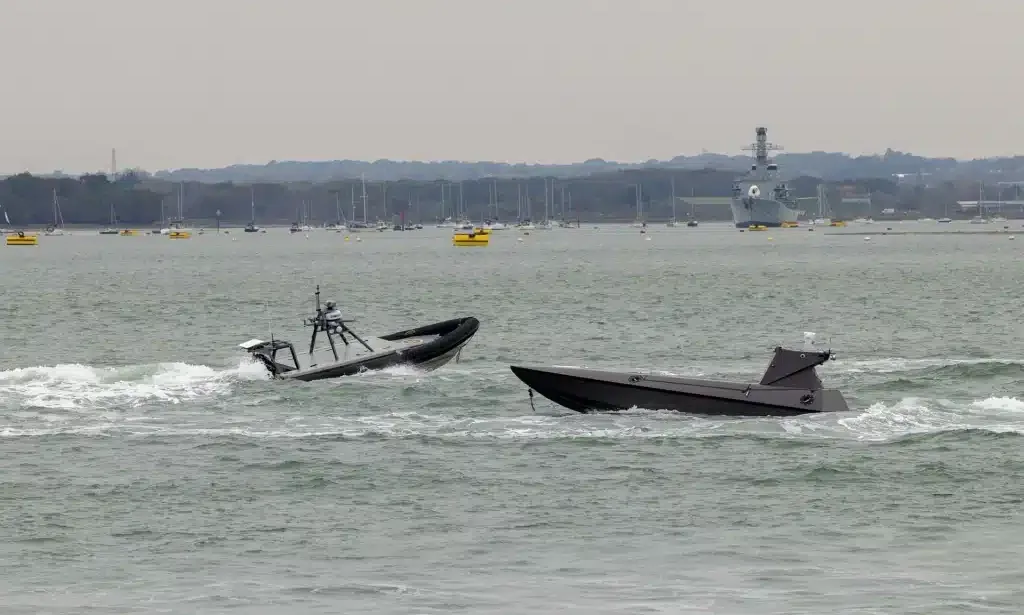
ASELSAN:
 Lockheed Martin:
 Rheinmetall:
 BAE Systems:
 Thales:
 Leonardo:
 Saab:
 Kongsberg Gruppen:
 Indra Sistemas:
 Mitsubishi Heavy Ind.:
 Hanwha Aerospace:
 AVIC Shenyang Aircraft:
 Hindustan Aeronautics:



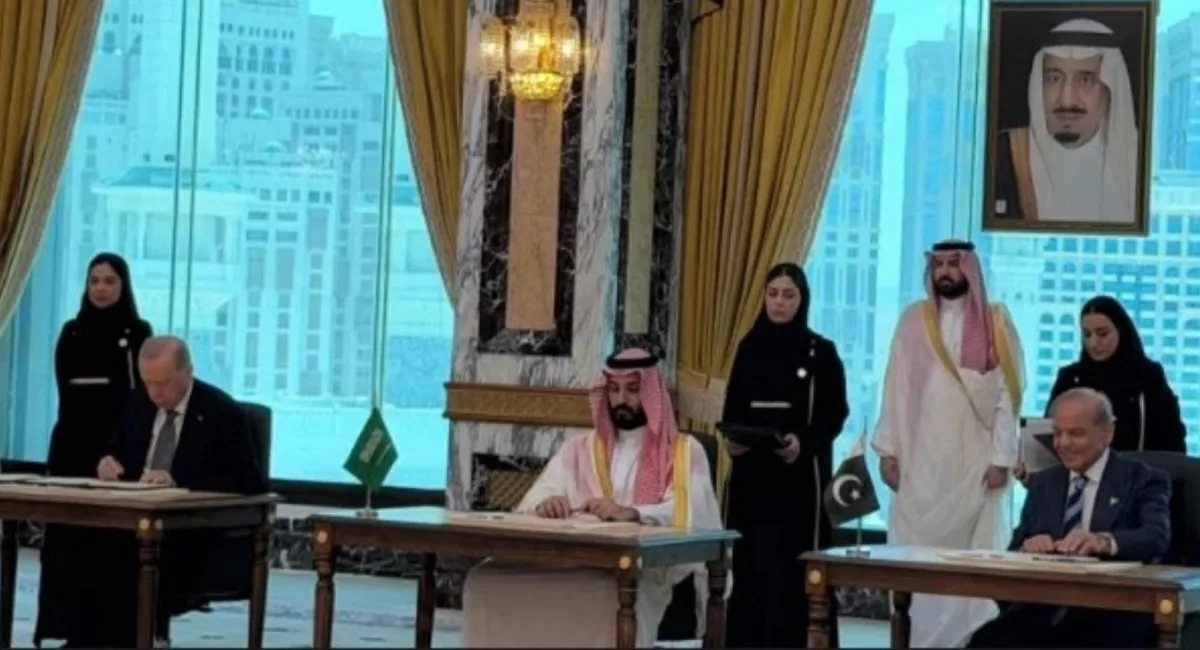
KEY INTELLIGENCE TAKEAWAYS & SUMMARY
- The 16-article Mecca Joint Defense Agreement signed between Turkey, Saudi Arabia, and Pakistan has been adopted by the GNAT Foreign Affairs Committee.
- Pursuant to the collective defense clause, which is the most striking element of the pact, an attack directed against any member state will be considered an attack against the entire alliance.
- Countries party to the agreement will not be able to withdraw from the pact for at least 10 years from the date of entry into force.
- The military and intelligence bureaucracy of the alliance is conducting critical diplomatic contacts, including in Tehran, in order to manage regional crises.
Strategic Framework and Collective Security Architecture
Regional Diplomacy and Tehran Contacts
This alliance, which does not remain merely an element of military deterrence, also functions as an active crisis management instrument. The strategic delegation composed of the highest-level representatives of the pact had carried out a critical diplomacy tour to Tehran in order to eliminate regional instabilities and reduce tension. These contacts, led by the presidency of Turkey's National Intelligence Organization (MIT), proved that the alliance is not only a military shield, but also exercises multi-dimensional reasoning to establish peace and stability in the region.
Conclusion and Future Perspective
Sponsor AdPromote Your Defense Brand Globally Across 6 Languages
Reach military procurement officers, defense contractors, and AI (GEO/AEO) search engines in 6 languages.
Advertising & Sponsorship