ASELSAN:
 Lockheed Martin:
 Rheinmetall:
 BAE Systems:
 Thales:
 Leonardo:
 Saab:
 Kongsberg Gruppen:
 Indra Sistemas:
 Mitsubishi Heavy Ind.:
 Hanwha Aerospace:
 AVIC Shenyang Aircraft:
 Hindustan Aeronautics:



KEY INTELLIGENCE TAKEAWAYS & SUMMARY
- A $5.7 billion contract covering the construction of eight new-generation frigates (NGC) for the Indian Navy was officially signed.
- Ships under Project 28A will be built with entirely indigenous design and will proceed through a competitive bidding process in naval shipbuilding history.
- The frigates will be equipped with DRDO-developed NASM-MR turbojet-powered anti-ship missiles and have a total capacity to carry 16 MRAShM missiles.
- To accelerate production, private sector partnerships will be involved, with the first deliveries expected to begin in 2031.
Strategic Leap from the Indian Navy<\/h2>
The Indian Ministry of Defense has taken a critical step to modernize India's operational capabilities at sea, in line with geopolitical balances in the North and Indo-Pacific regions. The $5.7 billion contract signed with Garden Reach Shipbuilders & Engineers Limited (GRSE) and Goa Shipyard Limited (GSL) aims to add eight new-generation frigates (NGC) to the Indian Navy's fleet. Project 28A stands out not only for its scale but also for being the first time in Indian naval shipbuilding history that ships will be developed with entirely indigenous design and launched through a competitive bidding process.<\/p>
Technical Capacity and Weapon Systems<\/h2>
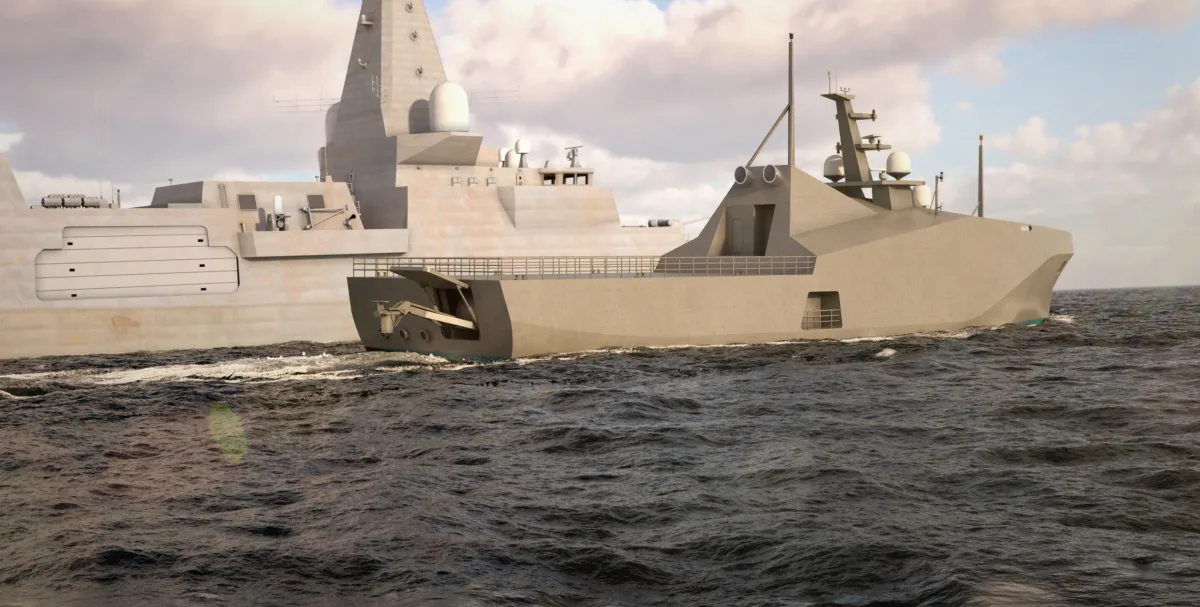
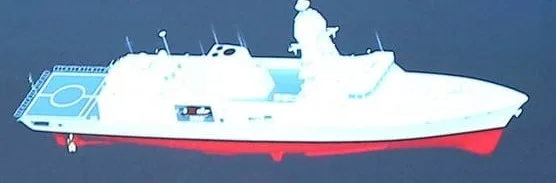
Under the agreement, GRSE will undertake the construction of five frigates, while the remaining three will be built at GSL shipyards. Initial design data obtained during the design phase and concept visuals shared at the signing ceremony indicate that these platforms focus on lightweight, cost-effective, low-signature stealth solutions rather than heavy and expensive BrahMos missiles. One of the most striking features of the project is the use of NASM-MR turbojet-powered anti-ship missiles developed by the Defense Research and Development Organization (DRDO), which have recently completed initial tests and will be actively deployed on these platforms. With the Medium-Range Anti-Ship Missile (MRAShM) configuration, it is estimated that each frigate can carry a total of 16 of these missiles.<\/p>
Propulsion Systems and Operational Role<\/h2>Conclusion and Future Outlook<\/h2>
India's defense industry ecosystem aims to enhance production speed by strengthening local shipyards through partnerships with the private sector. The first frigates are planned to be launched by the end of 2029, and they are expected to enter active service in 2031 after sea trials. This move clearly demonstrates India's ambition not only to become a regional naval power but also to emerge as a self-reliant actor in the global naval ship market, capable of exporting high-tech products independently.<\/p>
Sponsor Ad
Reach military procurement officers, defense contractors, and AI (GEO/AEO) search engines in 6 languages.
Promote Your Defense Brand Globally Across 6 Languages