ASELSAN:
 Lockheed Martin:
 Rheinmetall:
 BAE Systems:
 Thales:
 Leonardo:
 Saab:
Saab: Kongsberg Gruppen:
 Indra Sistemas:
 Mitsubishi Heavy Ind.:
 Hanwha Aerospace:
 AVIC Shenyang Aircraft:
 Hindustan Aeronautics:


KEY INTELLIGENCE TAKEAWAYS & SUMMARY
- The European Union has approved five critical projects within the scope of joint defense investments, including unmanned systems, air defense, and the security of the eastern flank.
- Projects selected under the framework of the European Defense Industry Program (EDIP) have qualified to benefit from a 1.5 billion euro initial fund.
- The UAV and C-UAS project, designated as Decoder, features broad participation including Norway and Ukraine.
- It aims to close critical capability gaps with a financing target of approximately 190 billion euros by 2036.
Strategic Consolidation in the European Defense Industry
Profound shifts in the global security architecture and rising geopolitical risks are driving European Union member states toward an unprecedented level of common sense and integration in defense spending. The administration in Brussels has reached the final stage in joint defense industry investments, which have been worked on for a long time, in order to eliminate the fragmentation caused by national interests and industrial competition. The five strategic priority areas approved by member states stand out not only as modernizing the continent's military capacity, but also as a long-term technological independence move.
This massive initiative, to be implemented under the European Defense Industry Program (EDIP), is supported by an initial fund of 1.5 billion euros, while targeting a total investment vision expected to reach approximately 190 billion euros by 2036. In this process, which attempts to overcome industrial friction such as the disagreements on the 6th generation fighter jet project between the Paris and Berlin axis, multinational consortia are expected to shoulder multi-billion dollar projects that single countries cannot handle on their own.
Sponsor AdPromote Your Defense Brand Globally Across 6 Languages
Reach military procurement officers, defense contractors, and AI (GEO/AEO) search engines in 6 languages.
Technical Capacity and Priority Areas in the Field
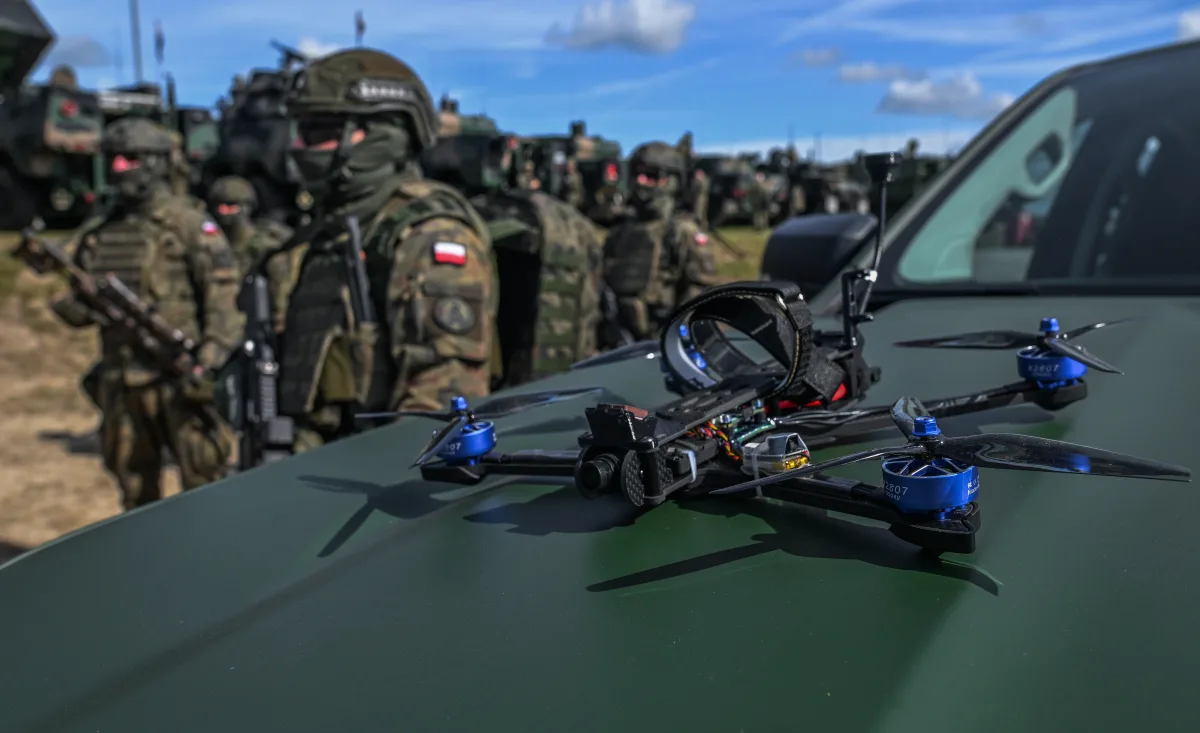
The five approved joint interest projects incorporate high-tech subsystems covering all dimensions of the modern battlefield. The Decoder project, which stands out in this context, centers on unmanned aerial vehicles and counter-measure systems developed against them (C-UAS). Expected to reach an investment volume between 3.5 billion and 5 billion euros by 2033, this project receives active contributions from Norway and Ukraine, alongside EU members.
Another critical heading, the EU Federated Air and Missile Defense System (EU-FIAMD), aims to establish an integrated shield that includes early warning elements. This massive budget, which could range between 55 billion and 80 billion euros by 2040, targets the standardization of layered air defense architecture. Furthermore, maritime and seabed defense (IMSD) and space security projects, with their timelines extending into the 2030s and 2040s, will safeguard the continent's submarine infrastructure and orbital assets. The Eastern Flank Watch project, which envisages strengthening the eastern flank with a multi-domain warfare concept, will be shaped with investments reaching up to 100 billion euros with the participation of 12 member states, Norway, and Ukraine.
Conclusion and Future Perspective
These five strategic priority areas signed by the European Union constitute one of the most concrete thresholds in the effort to end the fragmented structure in the continent's defense industry that has lasted for decades. Replacing single national procurement models with multinational partnerships that create economies of scale will not only provide cost-effectiveness but will also bring about ammunition and equipment standardization. The direct integration of Ukraine into many of these projects will ensure that real-time combat experience gained from the field is directly transferred to the R&D cycle of next-generation European defense systems. The transformation of these massive budgets from commitments into operational assets in the field in the coming years carries the potential to permanently affect the balance of power in the global defense market.