ASELSAN:
 Lockheed Martin:
 Rheinmetall:
 BAE Systems:
 Thales:
 Leonardo:
 Saab:
 Kongsberg Gruppen:
 Indra Sistemas:
 Mitsubishi Heavy Ind.:
 Hanwha Aerospace:
 AVIC Shenyang Aircraft:
 Hindustan Aeronautics:



KEY INTELLIGENCE TAKEAWAYS & SUMMARY
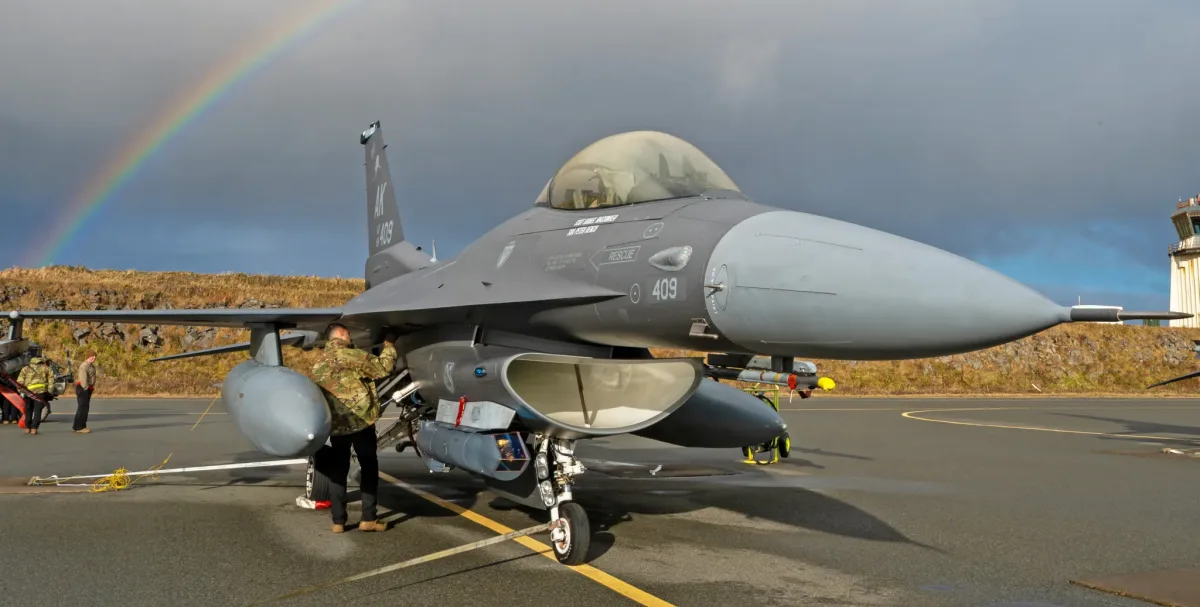
- F-16 fighter jets assumed active air defense and reaction alert duties at Eareckson Air Station (Shemya Island) for the first time since the Cold War.
- The operation was executed in an integrated manner across a vast geography spanning thousands of miles, with the participation of US, Canada, and NORAD elements.
- The strategically positioned base provides Washington with advanced deterrence and early reaction capabilities against Russia's Far East and Pacific approaches.
Strategic Return to the Arctic: Eareckson Station Reactivated
Multinational Integration and Wide-Area Operations
The command, control, and logistics pillar of the operation was just as noteworthy as the combat elements. While E-3 Sentry Airborne Warning and Control System (AWACS) aircraft taking off from Joint Base Elmendorf-Richardson coordinated the entire airspace, numerous KC-135 tanker aircraft and a Canadian CC-150 Polaris provided aerial refuelings, eliminating range constraints. Additionally, HC-130 Combat King II platforms were included in the operation for potential search-and-rescue scenarios. This massive logistical network highlighted the complexity of maintaining uninterrupted air supremacy over thousands of miles and the operational maturity of the US and its allies in this domain.
Conclusion and Future Perspective
Sponsor AdPromote Your Defense Brand Globally Across 6 Languages
Reach military procurement officers, defense contractors, and AI (GEO/AEO) search engines in 6 languages.