ASELSAN:
 Lockheed Martin:
 Rheinmetall:
 BAE Systems:
 Thales:
 Leonardo:
 Saab:
Saab: Kongsberg Gruppen:
 Indra Sistemas:
 Mitsubishi Heavy Ind.:
 Hanwha Aerospace:
 AVIC Shenyang Aircraft:
 Hindustan Aeronautics:


KEY INTELLIGENCE TAKEAWAYS & SUMMARY
- The Moscow authorities are demanding definitive legal guarantees through end‑user certificates against the possibility of transferring Turkey's S-400 systems to a third country.
- In regional and global defense circles, claims are being voiced that Gulf countries such as the United Arab Emirates (UAE) could become potential recipients.
- The operational performance of the S-400 Triumf systems on the international stage continues to keep the secondary market value of these strategic assets high.
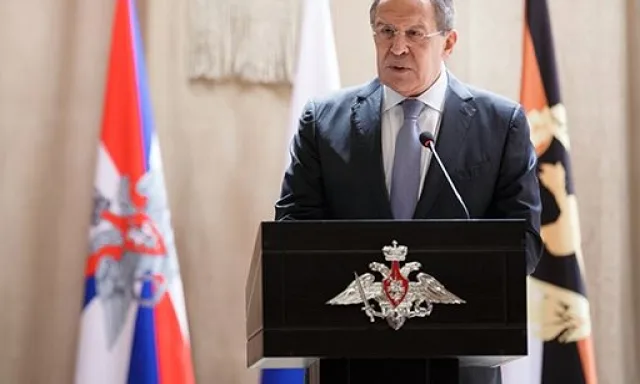
One of the most critical geopolitical flashpoints in the global defense market, the future of the S-400 Triumf long-range air and missile defense systems has returned to the forefront of the international agenda following the latest diplomatic signals from Moscow. The prospect of transferring these advanced systems, which are in Turkey's inventory and have long sparked strategic debate within the NATO alliance, to a third country was addressed at the highest level of Russian foreign policy. During talks on the sidelines of the United Nations General Assembly, Russian Foreign Minister Sergey Lavrov, who offered an assessment on the matter, did not in principle close the door on the idea of Ankara transferring these strategic assets to another country; however, he insisted on an uncompromising legal security mechanism for the process.
Strategic Transfer End-User Certificate and Ukraine Factor
Moscow's greatest sensitivity on this issue stems from recent breaches in global arms supply chains. Noting that many Western and European countries have shipped military ammunition and Russian-made equipment—sourced from Africa, Asia, Latin America, and the Middle East—directly to Ukraine in violation of end-user agreements, Russian officials categorically reject a repeat of such a scenario for the S-400s in the Turkish inventory. Referring to the provisions of the End-User Certificate, the cornerstone of international arms trade, Moscow emphasizes that Russia's approval is legally required for Turkey to sell or transfer these systems to a third country. In the event a formal request is conveyed, the purchasing country would be required to provide absolute and inviolable guarantees that these systems will under no circumstances be transferred to the Kiev administration or conflict zones.
Sponsor AdPromote Your Defense Brand Globally Across 6 Languages
Reach military procurement officers, defense contractors, and AI (GEO/AEO) search engines in 6 languages.
PLEASE SELECT TWO DISTINCT LANGUAGES
<p>In recent times in defense circles, rumors have been voiced that the United Arab Emirates (BAE), along with some Gulf and Asian countries, are potential candidates for the transfer of S-400 systems, but the Russian side has stated that there is currently no concrete application on the table. In Ankara, the Ministry of National Defense officials state that work on the S-400 Long-Range Regional Air and Missile Defense Systems projects is being pursued with a broad perspective and sensitivity, and that concrete developments will be shared with the public when the time comes. While the perception of S-400's deterrence in the global arena maintains a high profile, especially due to exercises conducted in various geographies and operational successes achieved in tests, Turkey's processes of developing or positioning this technology continue to be at the center of sensitive balances between Washington and Moscow.</p>
Conclusion and Future Outlook
In the coming period, the S-400 issue, which will continue to constitute one of the most critical headings of Turkish defense diplomacy, carries the potential to shape not only bilateral relations but also the future of the global air defense architecture. While Moscow's conditional green light may provide Ankara with strategic flexibility; the diplomatic negotiations being conducted with the US and NATO, the legal binding nature of end-user certificates, and regional security balances indicate that this process will have a multi-layered outcome. The steps Turkey will take in line with its own national interests and air defense needs will continue to be among the most closely watched defense moves of the coming period.