ASELSAN:
 Lockheed Martin:
 Rheinmetall:
 BAE Systems:
 Thales:
 Leonardo:
 Saab:
 Kongsberg Gruppen:
 Indra Sistemas:
 Mitsubishi Heavy Ind.:
 Hanwha Aerospace:
 AVIC Shenyang Aircraft:
 Hindustan Aeronautics:



KEY INTELLIGENCE TAKEAWAYS & SUMMARY
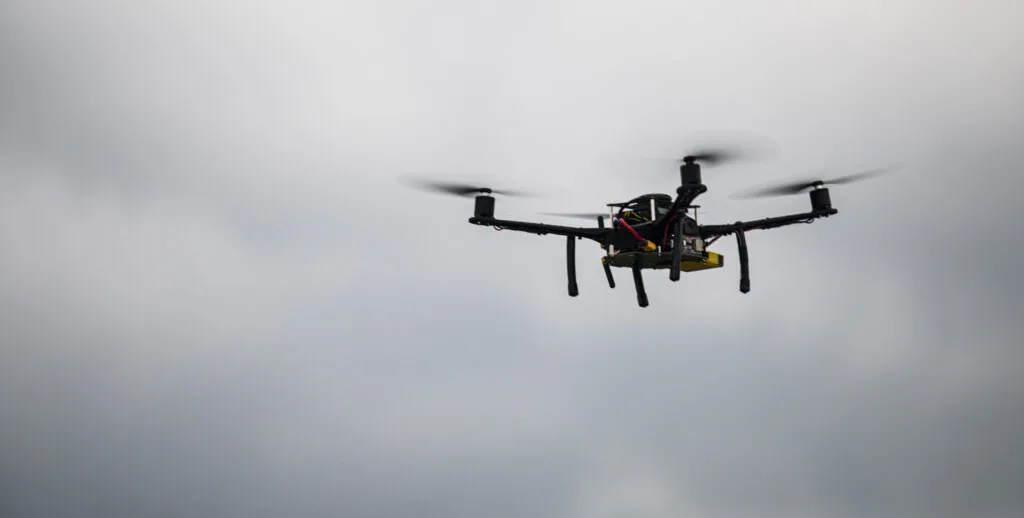
- Although the Pentagon's UAV demands give positive signals in the defense industry, a sustainable supply chain on the ground has not yet been fully established.
- Large-scale projects such as the Replicator initiative are facing new tests in critical component procurement and overcoming bureaucratic hurdles.
- Manufacturers demand financial and administrative predictability in the transition from the prototype development phase to long-term mass production contracts.
While the role of unmanned systems in global defense markets is increasing exponentially day by day, the speed and method with which Washington integrates these critical technologies into the military inventory continue to be at the center of the defense industry. Although the Pentagon is trying to accelerate procurement mechanisms, especially considering the geopolitical fractures in the Asia-Pacific and Eastern Europe in recent years, the mismatch of expectations between manufacturers and the procurement authority has reached remarkable proportions. On one hand, agile programs designed to meet urgent operational needs, and on the other hand, the long-term financial predictability demands of defense giants bring a strategic tension along with them.
Signal Problem in Procurement Mechanisms
Critical Components and Realities on the Ground
Conclusion and Future Perspective
Sponsor AdPromote Your Defense Brand Globally Across 6 Languages
Reach military procurement officers, defense contractors, and AI (GEO/AEO) search engines in 6 languages.