ASELSAN:
 Lockheed Martin:
 Rheinmetall:
 BAE Systems:
 Thales:
 Leonardo:
 Saab:
 Kongsberg Gruppen:
 Indra Sistemas:
 Mitsubishi Heavy Ind.:
 Hanwha Aerospace:
 AVIC Shenyang Aircraft:
 Hindustan Aeronautics:



KEY INTELLIGENCE TAKEAWAYS & SUMMARY
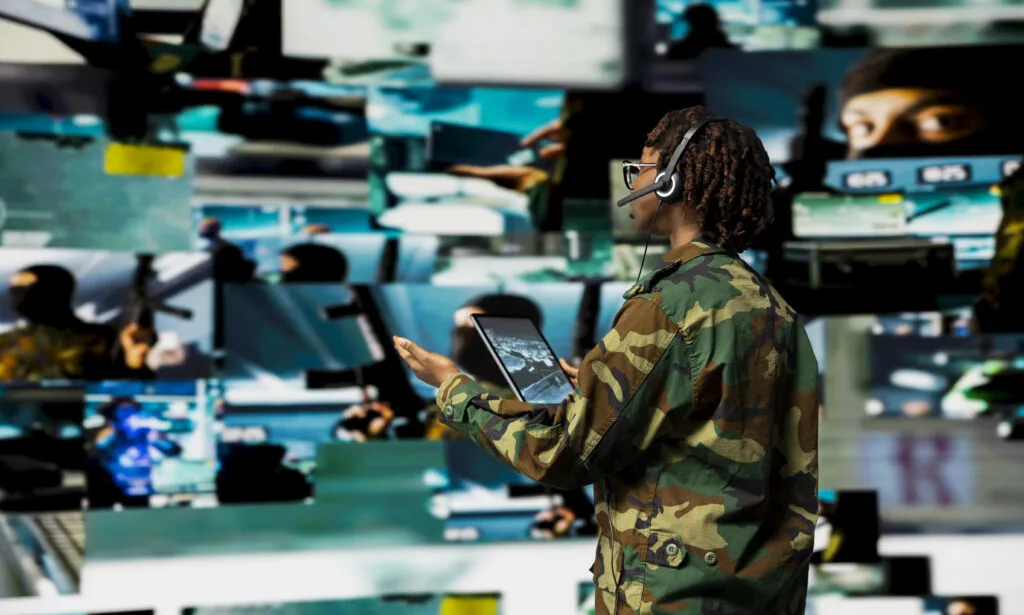
- Communication breakdowns between different force commands and allied units directly limit operational speed and reaction times.
- Secure and uninterrupted data sharing is the fundamental condition for achieving asymmetric advantage in modern combat environments.
- Integration gaps in military and government partnerships can lead to strategic failures in today's war environment.
Critical Role of Communication Integration in Modern Combat Zones
Modern military art is built upon real-time data flow and strategic coordination established within seconds, beyond conventional front lines. However, the world's leading armed forces, despite technological and industrial innovations, continue to face the most fundamental challenge on the battlefield: the joint interoperability gap. The establishment of secure communication bridges among land, sea, air, and space assets, as well as government-level institutions and allied forces, is emerging as the most complex challenge facing military planners.
Every platform in the combat zone – whether a fifth-generation fighter jet, a modernized main battle tank, or a tactical command center – may demonstrate high performance within its own data ecosystem, but its integration with the outside world is often hindered by cumbersome protocol barriers. This situation dangerously extends operational reaction times, causing critical intelligence to reach decision-makers and units on the battlefield with delay.
Technical Capabilities and Battlefield Balance
Conclusion and Future Perspectives
Sponsor AdPromote Your Defense Brand Globally Across 6 Languages
Reach military procurement officers, defense contractors, and AI (GEO/AEO) search engines in 6 languages.