ASELSAN:
 Lockheed Martin:
 Rheinmetall:
 BAE Systems:
 Thales:
 Leonardo:
 Saab:
 Kongsberg Gruppen:
 Indra Sistemas:
 Mitsubishi Heavy Ind.:
 Hanwha Aerospace:
 AVIC Shenyang Aircraft:
 Hindustan Aeronautics:



KEY INTELLIGENCE TAKEAWAYS & SUMMARY
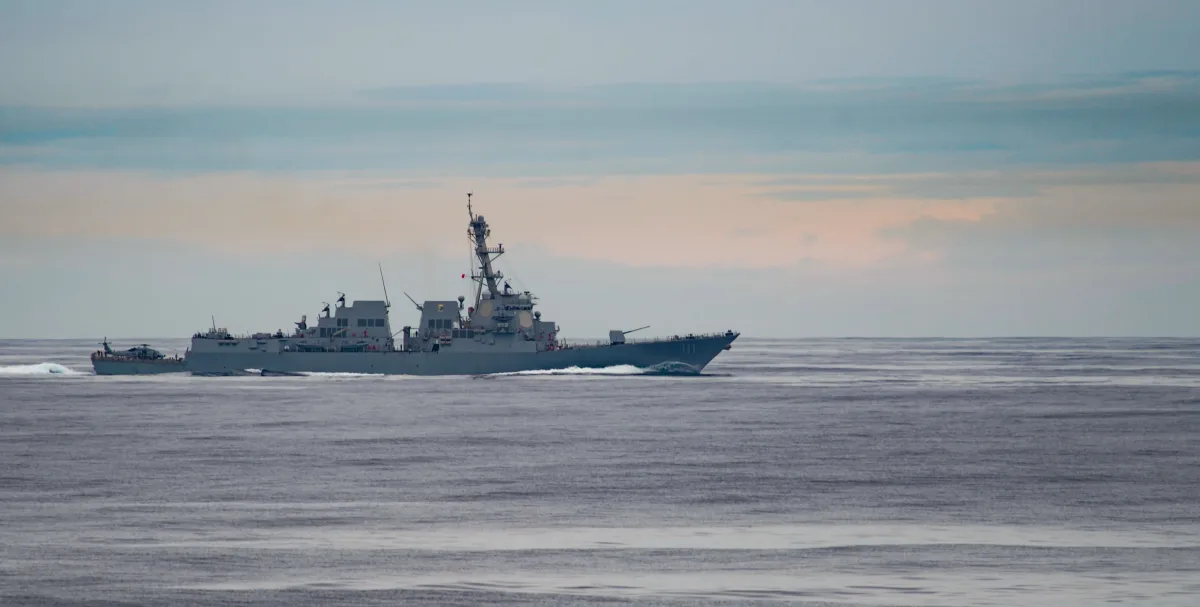
- USS Spruance pushed the limits of strategic wear by completing the longest destroyer mission since World War II.
- The US Navy faces serious disruptions in critical shipyard capacity and planned maintenance schedules due to extended operations.
- Intensive use of Arleigh Burke class platforms carries long-term risks regarding hull life and fatigue analysis.
- This crisis clearly reveals the deep contradiction between Washington's global deterrence doctrine and the sustainability of naval logistics.
The Unseen Cost of Global Deterrence
Technical Capacity and Field Balances
Arleigh Burke class platforms represent the pinnacle of multi-role surface warships, equipped with the Aegis combat system, Vertical Launch Systems (VLS), and advanced radar architectures. However, keeping these complex systems in the ocean environment's corrosive effects for such a long period, without scheduled shipyard maintenance, poses serious risks from a materials science perspective. The corrosive effect of saltwater on turbines, hull plating, and sensitive electronic components necessitates interventions far beyond normal maintenance processes.
Conclusion and Future Perspective
Sponsor AdPromote Your Defense Brand Globally Across 6 Languages
Reach military procurement officers, defense contractors, and AI (GEO/AEO) search engines in 6 languages.
Advertising & Sponsorship