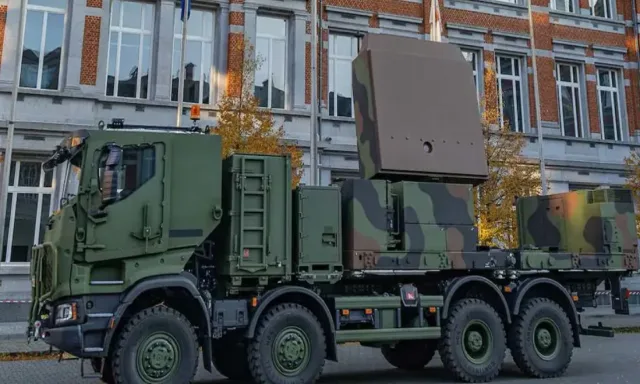
ASELSAN:
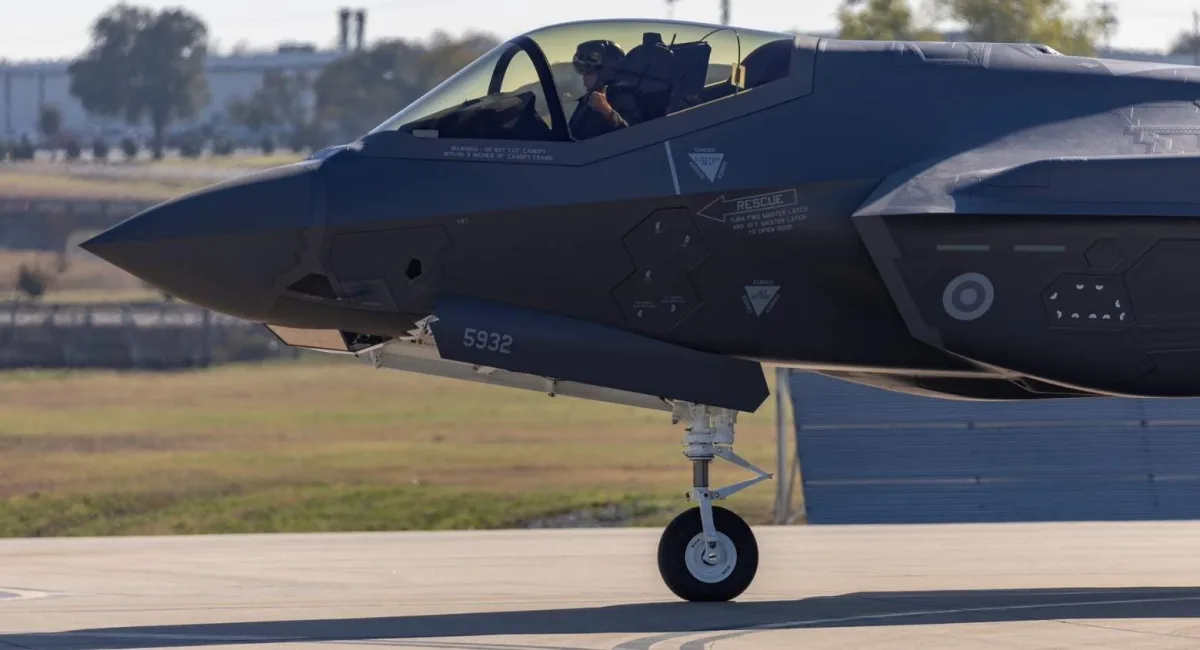
 Lockheed Martin:
 Rheinmetall:
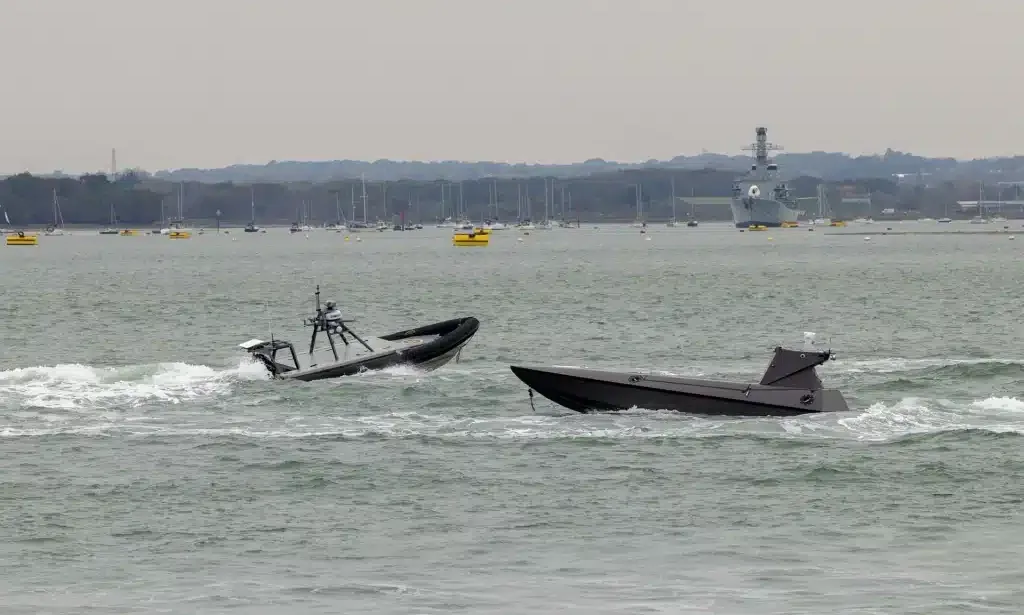
 BAE Systems:
 Thales:
 Leonardo:
 Saab:
 Kongsberg Gruppen:
 Indra Sistemas:
 Mitsubishi Heavy Ind.:
 Hanwha Aerospace:
 AVIC Shenyang Aircraft:
 Hindustan Aeronautics:



KEY INTELLIGENCE TAKEAWAYS & SUMMARY
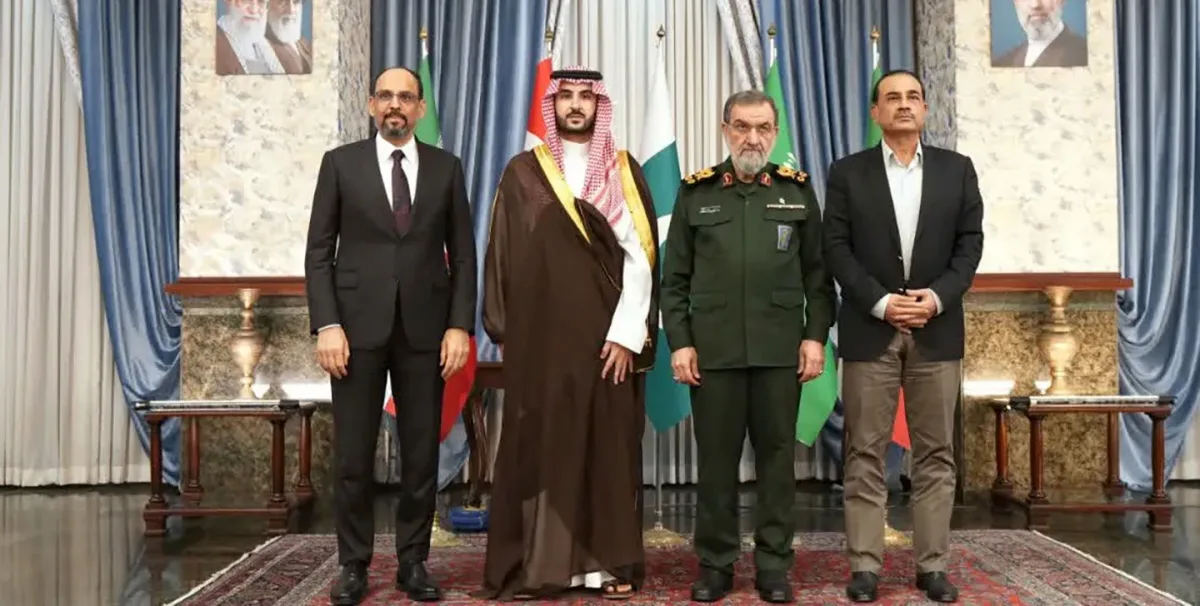
- Iran, Saudi Arabia, Pakistan, and Turkey, coming together in Tehran, decided to keep diplomatic channels open for regional peace and crisis prevention.
- Held under the Mecca Joint Defense Agreement, this first summit demonstrates the effort of regional actors to establish their own security architectures despite past conflict lines.
- The Houthi drone and missile attacks from Yemen against Saudi Arabia and the security of energy shipments in the Strait of Hormuz constituted the main agenda items of the meeting.
- The active participation of Turkey's intelligence management and Pakistan's military leadership proves that crisis management has gone beyond traditional diplomatic approaches.
Critical Diplomacy Traffic in Tehran on the Brink of Regional Crisis
Geopolitical Integration and the Mecca Joint Defense Agreement
In the joint statements of the parties, it was emphasized that the security of the region cannot be established through external interventions, but only through cooperation and dialogue mechanisms among the countries of the region themselves. Following the 14-article memorandum of understanding and ceasefire initiatives previously mediated by Qatar and Pakistan without achieving permanence, this new quadripartite format stands out as the most concrete alternative for the construction of a sustainable regional security architecture. The uninterrupted continuation of maritime trade security in the Strait of Hormuz and the prevention of a nuclear arms race are among the most sensitive files of this mechanism on the table.
Conclusion and Future Perspective
This high-level meeting held in Tehran signals that the chronic conflict dynamics in the Middle East could give way to a more autonomous security understanding based on local ownership. The destructive costs that direct military interventions and proxy wars impose on the global economy and national security serve as the main catalyst forcing the parties to remain at the table. In the upcoming period, the steps to be taken by the countries along the axis of the Mecca Joint Defense Agreement will not only prolong a momentary state of non-conflict; they will also determine the permanent architecture of the long-term regional deterrence and stability equation.
Sponsor AdPromote Your Defense Brand Globally Across 6 Languages
Reach military procurement officers, defense contractors, and AI (GEO/AEO) search engines in 6 languages.