ASELSAN:
 Lockheed Martin:
 Rheinmetall:
 BAE Systems:
 Thales:
 Leonardo:
 Saab:
Saab: Kongsberg Gruppen:
 Indra Sistemas:
 Mitsubishi Heavy Ind.:
 Hanwha Aerospace:
 AVIC Shenyang Aircraft:
 Hindustan Aeronautics:


KEY INTELLIGENCE TAKEAWAYS & SUMMARY
- The Pentagon is channeling a 450 million dollar fund to U.S.-based The Elmet Group to strengthen the defense industry supply chain.
- The investment comes ahead of the January 1 federal procurement rule that bans the use of tungsten sourced from China, Russia, Iran, and North Korea.
- Tungsten is an indispensable metal in nuclear submarine production as well as critical strategic missile systems such as Patriot, Javelin, AEGIS, and THAAD.
- China's 85 percent monopoly on the global tungsten market forced the Washington administration to urgently revive domestic mining and refining capacity.
Critical Mineral Threat in the Defense Industry and Washington's Strategic Reflex
Technical Capacity and Balances in the Field
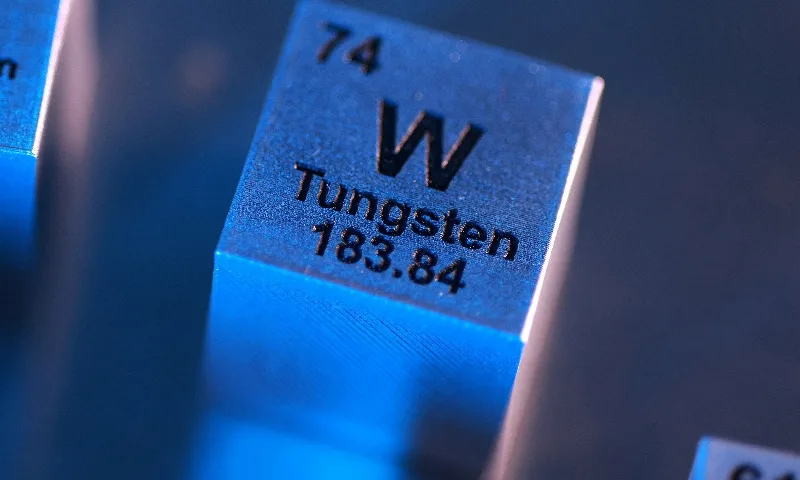
Tungsten is an element with no alternative in military engineering due to its having the highest melting point among all known metals and a density close to that of gold. When combined with carbon to form tungsten carbide, it plays a key role in both industrial cutting tools and kinetic energy munitions thanks to its extremely hard structure. However, analytical data reveals that approximately 85 percent of the global tungsten supply is under China's control. The fact that the U.S. has not mined tungsten on its own soil since 2015 created a strategic vulnerability directly targeting Washington's defense capabilities. With the new financing package, Elmet Group will use a portion of the fund to modernize its manufacturing facilities in Maine, Michigan, and Ohio to break this structural dependency. Furthermore, plans include restarting the Imlay mining operations in Nevada and establishing refining partnerships with international allies.
Direct Impact on Critical Defense Programs
High-purity tungsten and molybdenum components provided by Elmet Group are directly used in more than 100 high-level defense programs that form the backbone of the U.S. military's deterrence. Patriot air defense batteries, Javelin anti-tank missiles, AEGIS combat management systems, Trident II intercontinental ballistic missiles, THAAD anti-aircraft systems, and Virginia and Columbia-class nuclear attack submarines are dependent on the unique physical properties of this mineral. Experts emphasize that this nationalization move in the supply chain protects not only raw material procurement but also the manufacturing infrastructure of semiconductors used in artificial intelligence data centers.
Sponsor AdPromote Your Defense Brand Globally Across 6 Languages
Reach military procurement officers, defense contractors, and AI (GEO/AEO) search engines in 6 languages.
Conclusion and Future Perspective
This 450 million dollar capital injection by the Pentagon clearly proves that modern warfare is conducted not only through platforms (aircraft, tanks, ships) but also through the resilience of the industrial ecosystem that produces those platforms. The procurement rule set to take effect on January 1, which bans the use of tungsten originating from China, Russia, Iran, and North Korea, officially declares that a protectionist and autonomous era has begun in the defense industry. The rebuilding of not only mining activities but also refining and processing facilities within the Western alliance is recorded as Washington's most strategic security step against potential future supply crises.