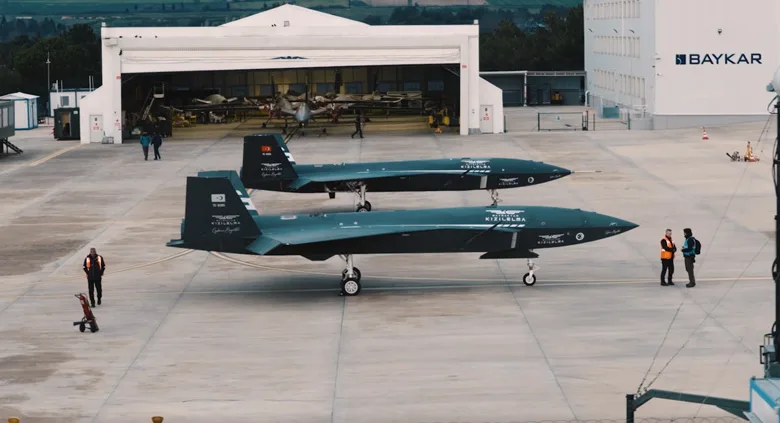
ASELSAN:
 Lockheed Martin:
 Rheinmetall:
 BAE Systems:
 Thales:
 Leonardo:
 Saab:
 Kongsberg Gruppen:
 Indra Sistemas:
 Mitsubishi Heavy Ind.:
 Hanwha Aerospace:
 AVIC Shenyang Aircraft:
 Hindustan Aeronautics:



KEY INTELLIGENCE TAKEAWAYS & SUMMARY
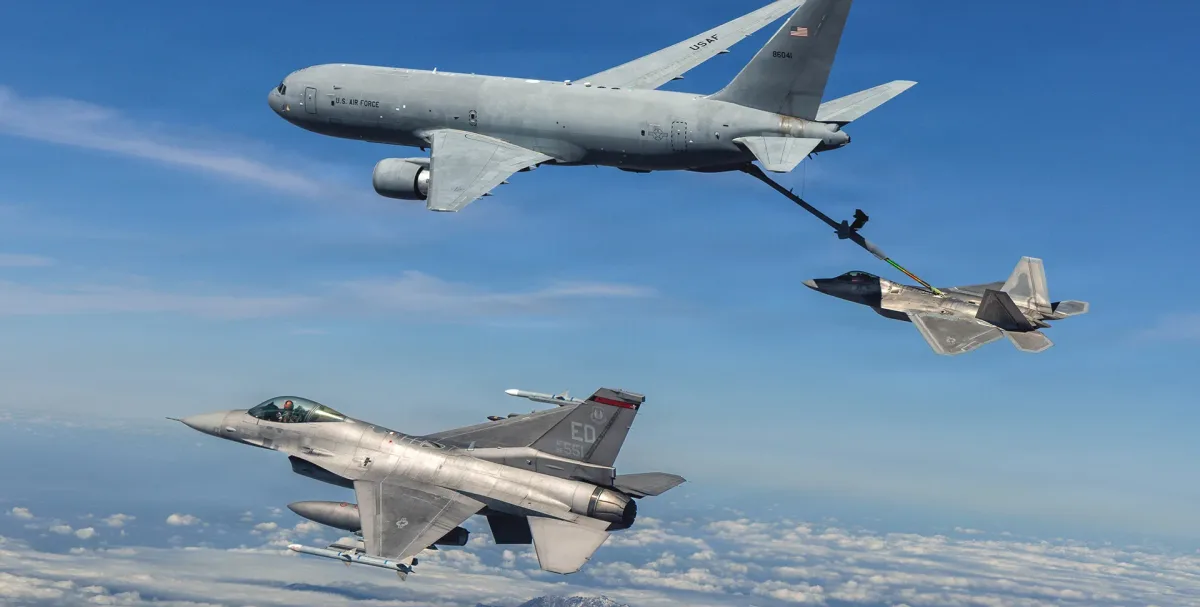
- The U.S. Air Force has formalized the final order of 15 aircraft under the original KC-46 contract at a cost of $2.81 billion.
- Due to technical problems such as Remote Vision System (RVS) failures affecting flight operations and cable/harness stiffness, the RVS 2.0 development schedule has been postponed to 2028.
- Due to the financial burden brought by the firm-fixed-price contract model, Boeing has incurred losses of more than $8 billion to date on the Pegasus program.
- Although the USAF plans to procure an additional 75 KC-46 aircraft to increase the current fleet to 263 aircraft, it has conditioned this agreement on the complete resolution of technical issues.
<h2>Turning Point in Strategic Tanker Procurement</h2>
Technical Capability and Chronic Problems in the Field
Although financial size and delivery volume have increased, the KC-46 program has long struggled with some chronic technical hurdles that have limited operational capabilities. Chief among these disruptions is the complex hybrid 2D/3D Remote Vision System (RVS) that boom operators use when connecting with receiver aircraft. This system, which operators manage through screens from the main cabin rather than from the rear of the aircraft, has brought about various optical and perspective problems for years. It is known that the personnel had to produce many manual workflows and experience-based workarounds in order to establish a secure connection.
<h2>Conclusion and Future Perspective</h2>
Sponsor AdPromote Your Defense Brand Globally Across 6 Languages
Reach military procurement officers, defense contractors, and AI (GEO/AEO) search engines in 6 languages.