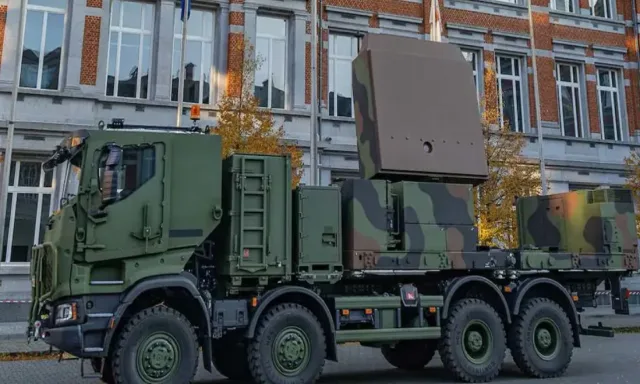
ASELSAN:
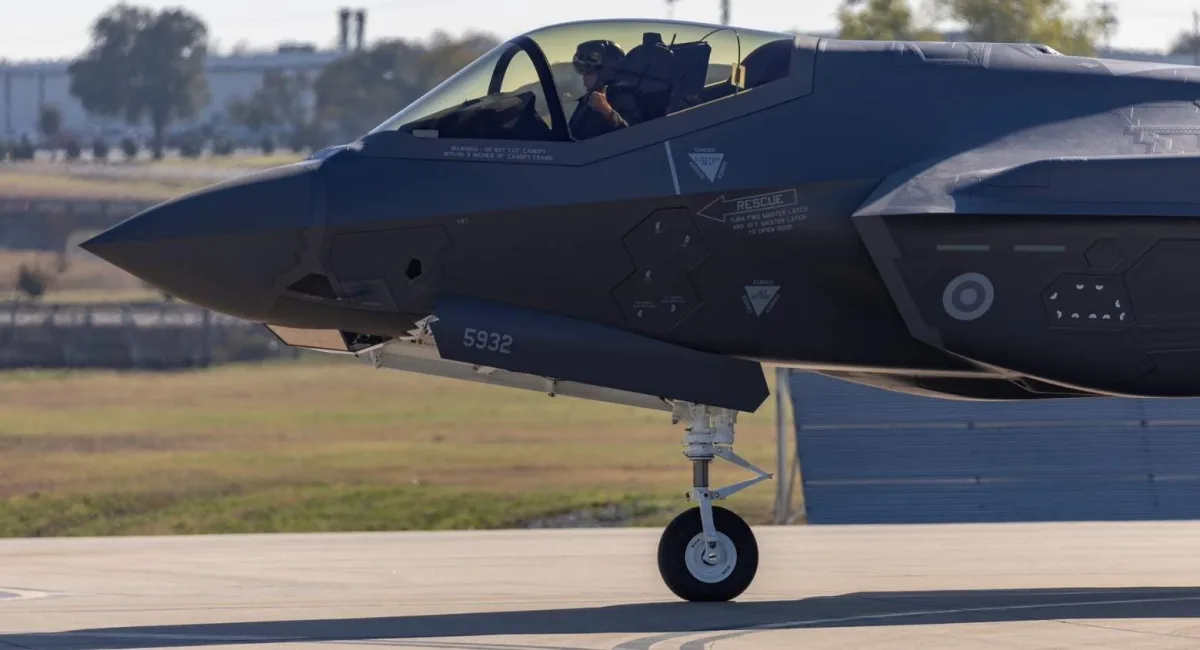
 Lockheed Martin:
 Rheinmetall:
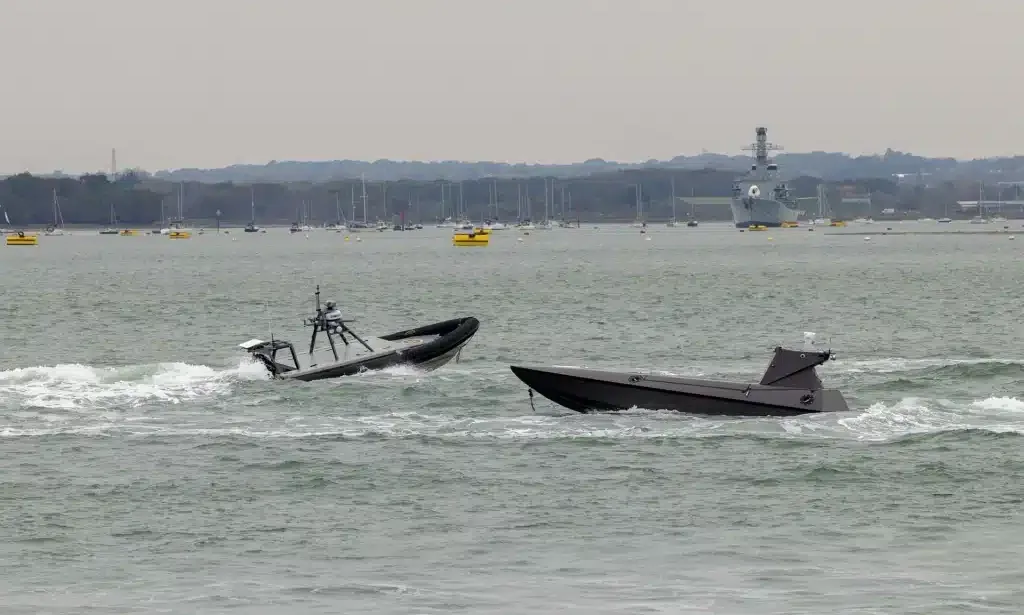
 BAE Systems:
 Thales:
 Leonardo:
 Saab:
 Kongsberg Gruppen:
 Indra Sistemas:
 Mitsubishi Heavy Ind.:
 Hanwha Aerospace:
 AVIC Shenyang Aircraft:
 Hindustan Aeronautics:



KEY INTELLIGENCE TAKEAWAYS & SUMMARY
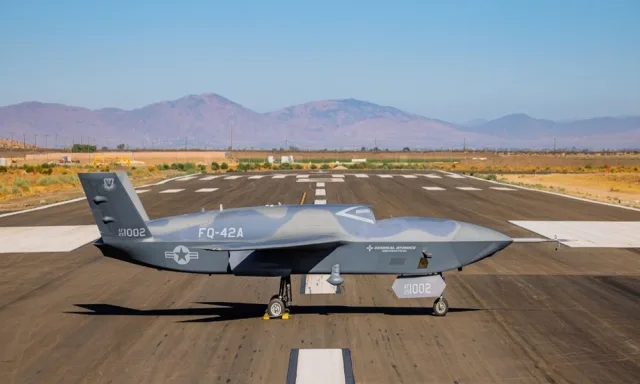
- General Atomics partnered with Spirit Defense for the fuselage manufacturing and engineering of the FQ-42 Vengeance CCA project.
- This collaboration aims to increase the US Air Force's supply chain resilience by reducing dependence on a single manufacturing source.
- The FQ-42 platform offers a modular architecture for electronic warfare, SEAD/DEAD missions, and precision engagements.
Strategic Production Partnership and Supply Assurance
Technical Capability and Mission Flexibility
The FQ-42 Vengeance stands out in the unmanned systems market not as an ordinary reconnaissance platform, but as an autonomous combat aircraft designed directly for combat purposes. The platform's modular architecture allows mission systems and autonomy software to be integrated in the shortest possible time, independent of the silhouette. Company officials emphasize that the autonomous software architecture, proven in flight tests, maximizes Human-Machine Teaming in complex warfare scenarios.
Conclusion and Future Perspective
The partnership between General Atomics and Spirit Defense is tangible proof that autonomous systems in the defense industry have moved past the prototype stage into a massive serial production phase. Flying wings and unmanned combat jets will continue to play a key role in determining air superiority in the coming decades. The FQ-42 Vengeance program is expected to rise to a strategic position in the global market in line with the autonomous combat aircraft needs of international allies.
Sponsor AdPromote Your Defense Brand Globally Across 6 Languages
Reach military procurement officers, defense contractors, and AI (GEO/AEO) search engines in 6 languages.