ASELSAN:
 Lockheed Martin:
 Rheinmetall:
 BAE Systems:
 Thales:
 Leonardo:
 Saab:
 Kongsberg Gruppen:
 Indra Sistemas:
 Mitsubishi Heavy Ind.:
 Hanwha Aerospace:
 AVIC Shenyang Aircraft:
 Hindustan Aeronautics:



KEY INTELLIGENCE TAKEAWAYS & SUMMARY
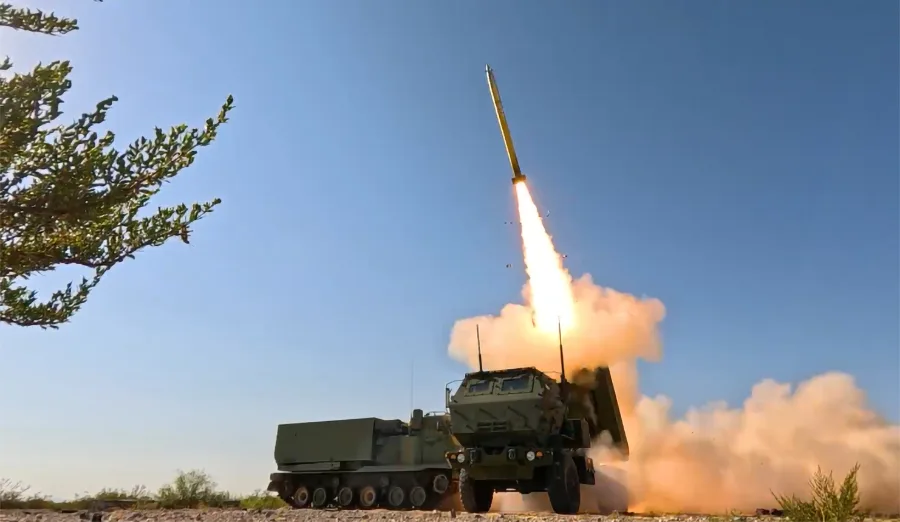
- Lockheed Martin and the US Army transmitted real-time route updates to a mid-flight GMLRS rocket via the RIG-360 communication module.
- Eliminating the necessity to add extra seeker heads to munitions significantly reduces the unit cost per strike.
- With a network-centric warfare approach, real-time data from external radars and UAVs are transferred to the flight computer, enabling high-precision strikes on moving targets.
- This technological milestone will exponentially increase the operational flexibility and tactical depth deterrence of HIMARS and M270 systems.
During the live-fire test conducted, the in-flight rocket's route was updated with real-time target data obtained from external sensors. This success highlights the new dimension reached by the network-centric warfare concept in tactical missile and rocket technologies.
Moving Target Engagement Without Seeker Head Payloads
Standard GMLRS rockets are known as high-precision munitions locked onto fixed coordinates under Global Positioning System (GPS) and Inertial Navigation System (INS) guidance. However, when the target moves or changes its position at the last minute, the risk of missing increases exponentially for munitions lacking seeker heads. Adding complex optical or electro-optical seeker heads onto the rocket both complicates the logistics chain and pushes mass production to budget-straining levels.
Sponsor AdPromote Your Defense Brand Globally Across 6 Languages
Reach military procurement officers, defense contractors, and AI (GEO/AEO) search engines in 6 languages.