ASELSAN:
 Lockheed Martin:
 Rheinmetall:
 BAE Systems:
 Thales:
 Leonardo:
 Saab:
 Kongsberg Gruppen:
 Indra Sistemas:
 Mitsubishi Heavy Ind.:
 Hanwha Aerospace:
 AVIC Shenyang Aircraft:
 Hindustan Aeronautics:



KEY INTELLIGENCE TAKEAWAYS & SUMMARY
- The Royal Navy has established the first official 1st Autonomous Squadron (180 personnel) at Portsmouth, replacing the former Project Beehive test framework.
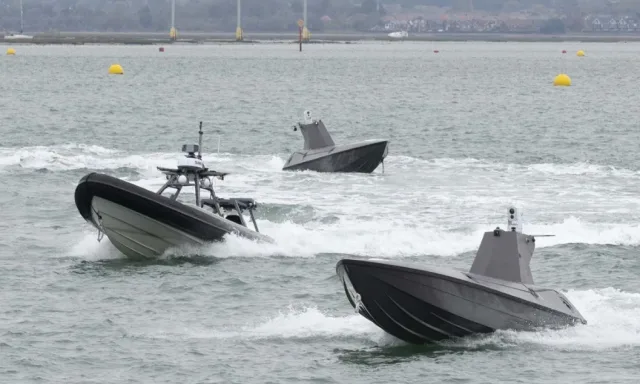
- The squadron will deploy unmanned surface vehicles (USVs) such as Kraken and Rattler, rapidly adapting civilian technology for military use.
- The United Kingdom is executing a four-year, £1.5 billion comprehensive investment package to develop unmanned and hybrid fleet concepts.
- Operating on a 24/7 watch system, the squadron will develop integrated tactics with allied units and play a key role in securing the North Atlantic.
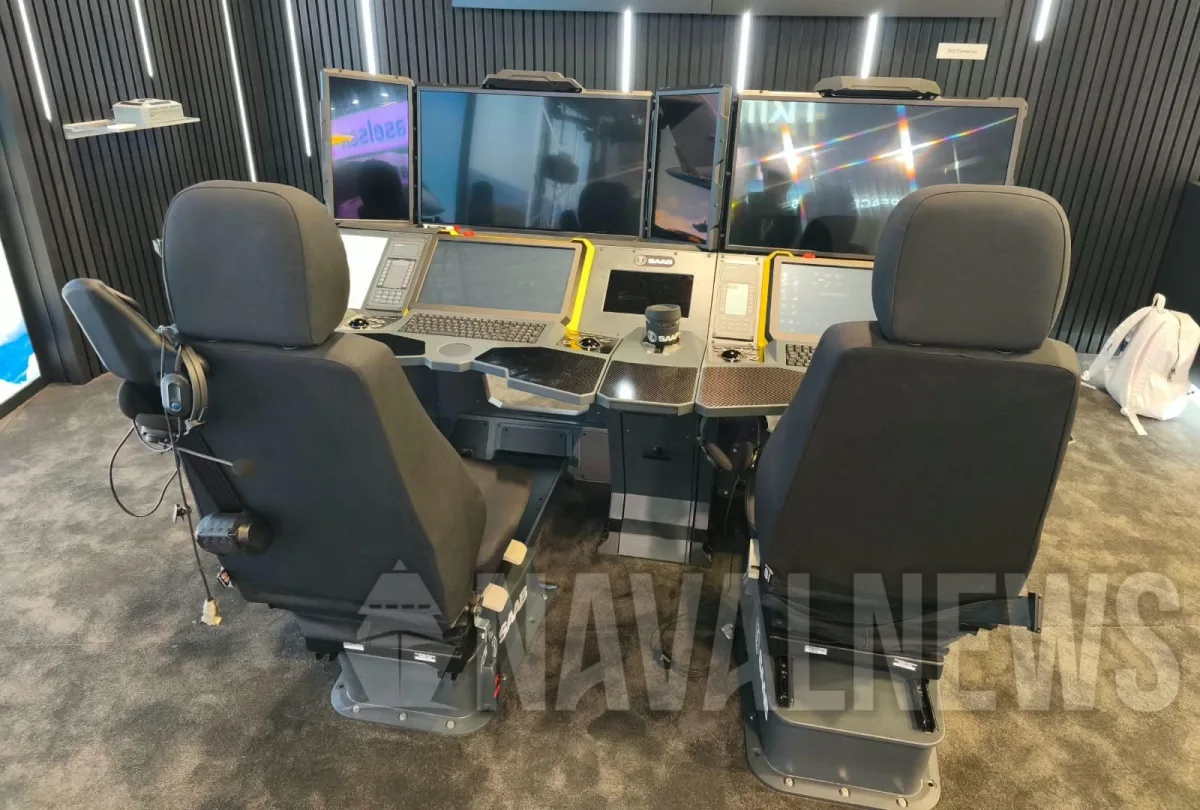
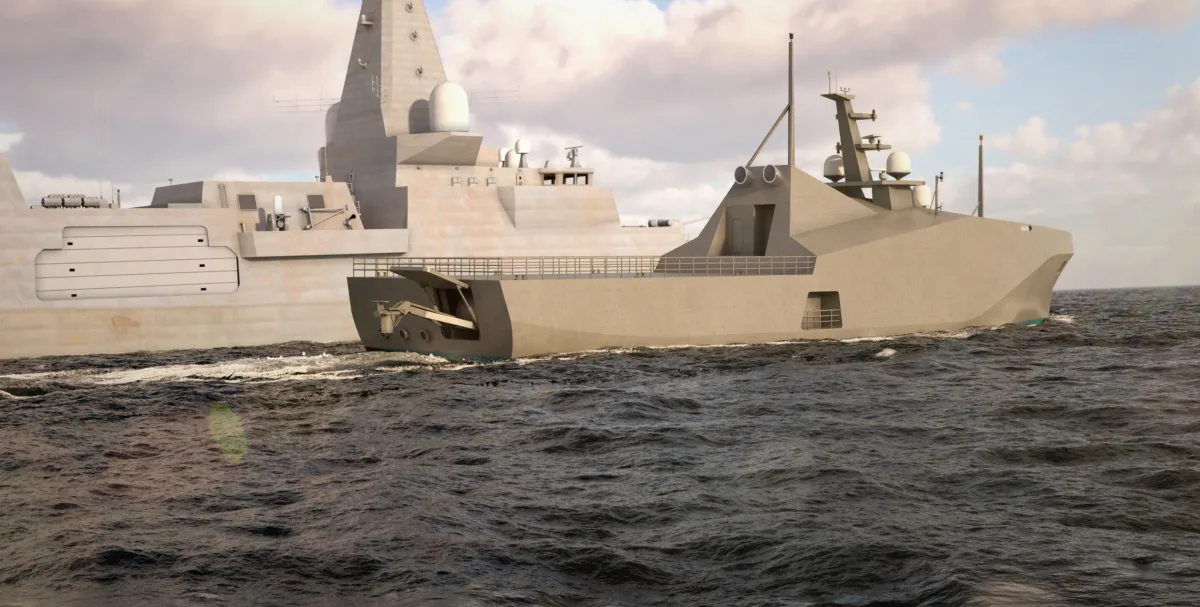
The Royal Navy has taken a historic step by integrating unmanned maritime systems directly into frontline operations, moving beyond conceptual test phases. At a formal ceremony held at Portsmouth Naval Base, the first operational autonomous unit, 1st Autonomous Squadron, officially commenced duties. This newly formed unit, replacing the previous Project Beehive procurement and testing program, is regarded as the most concrete manifestation of the UK's "hybrid fleet" vision, which integrates traditional warships, naval vessels, and manned aircraft with advanced autonomous systems.
Operational Doctrine and Militarization of Civilian Technology
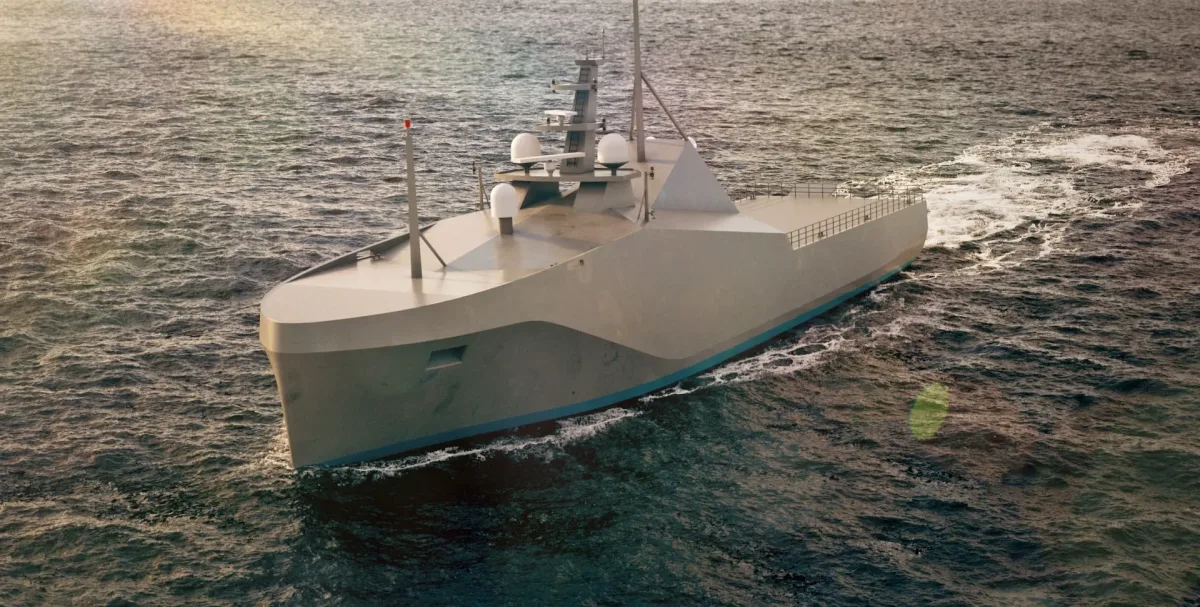
The newly formed squadron, consisting of approximately 180 personnel, is organized into two separate watch rotations to ensure 24-hour operational capability. The unit will conduct unmanned surface vehicles (USVs) in both independent missions and in integrated formation with traditional allied task groups. During the launch at Portsmouth Port, unmanned maritime systems such as Kraken and Rattler, which have already demonstrated their civilian readiness, are serving as pioneering examples of the rapid adaptation of existing technology to military standards. This strategy aims to bypass decades-long complex military procurement processes, enabling new technologies to reach operational units at lightning speed.
Sponsor AdPromote Your Defense Brand Globally Across 6 Languages
Reach military procurement officers, defense contractors, and AI (GEO/AEO) search engines in 6 languages.
£1.5 Billion Strategic Investment and Capability Accelerator
With a £1.5 billion budget support from the UK Ministry of Defence to be allocated over the next four years, the unit will work in full integration with the Navy Develop, Joint Capability and Technology Office, and Capability Accelerator (Capability Accelerator) to enhance fleet capabilities. Managed from the new command center in Portsmouth, this innovation ecosystem aims to radically shorten the time between identifying operational requirements and inventorying new military technologies. Backed by UK Defence Innovation funds, this concept will provide the navy with a critical asymmetric advantage against the densely threatened maritime battlefield of the modern era.