ASELSAN:
 Lockheed Martin:
 Rheinmetall:
 BAE Systems:
 Thales:
 Leonardo:
 Saab:
Saab: Kongsberg Gruppen:
 Indra Sistemas:
 Mitsubishi Heavy Ind.:
 Hanwha Aerospace:
 AVIC Shenyang Aircraft:
 Hindustan Aeronautics:


KEY INTELLIGENCE TAKEAWAYS & SUMMARY
- More than 40 companies and research organizations gathered at Portugal's Santa Margarida Military Training Area for Europe's most ambitious defense innovation campaign.
- The exercise simulates reconnaissance behind enemy lines, logistical resupply to frontline units, and loitering munitions destroying targets during night operations.
- Integrated with the BraveTech EU and Sentinel Strike initiatives, the process brings experiences derived particularly from the conflicts in Ukraine directly to the test field.
- Large-scale field tests on October 7-8 and a high-level demonstration on October 14 will shape Europe's future warfare architecture.
Europe's defense and technology ecosystem is holding a critical gathering at Portugal's Santa Margarida Military Training Area to shape the battlefield concepts of the future. Recorded as one of the continent's most comprehensive defense innovation campaigns, this process features over 200 professionals—including military experts, industry leaders, and end-users—pushing the boundaries of modern warfare technologies. Led by the European Defence Agency (EDA) and co-hosted by the Portuguese Army, the activities focus on the integration of traditional military doctrines with disruptive technologies.
Technological Capability and Tactical Scenarios in the Field
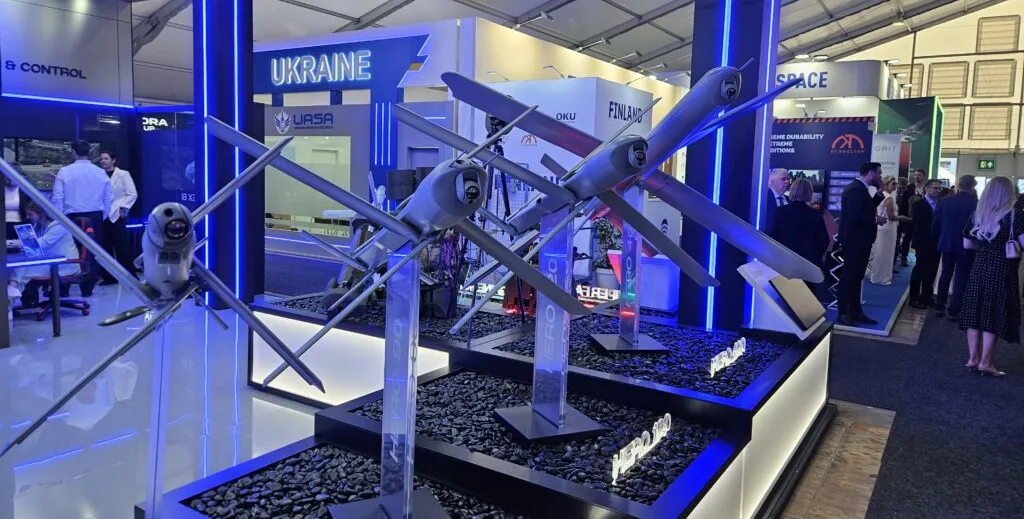
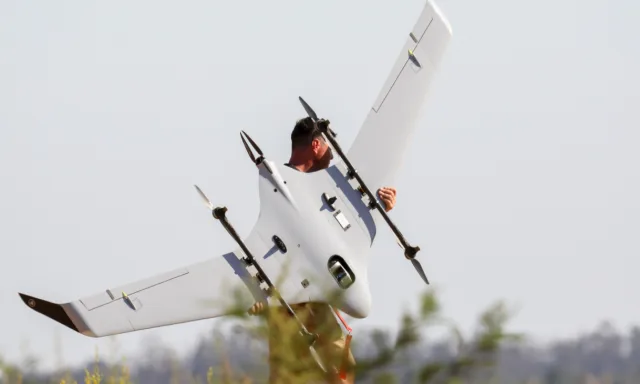
In this large-scale initiative, which sees participation from over forty defense companies, start-ups, and research organizations, unmanned aerial vehicles (UAVs), autonomous resupply systems, artificial intelligence-supported decision support mechanisms, and advanced loitering munitions (kamikaze drones) are under close scrutiny. While independent system tests and basic capability demonstrations are executed in the initial stages of the exercise, complex multi-domain operational scenarios are transitioned into during later phases. Autonomous platforms conducting reconnaissance and surveillance activities deep behind enemy lines test communication continuity in challenging geographies under electronic jamming. At the same time, unmanned logistics vehicles delivering air supplies to frontline units and loitering munitions concepts capable of simultaneously destroying multiple targets during night operations are evaluated firsthand by commanders in the field.
Sponsor AdPromote Your Defense Brand Globally Across 6 Languages
Reach military procurement officers, defense contractors, and AI (GEO/AEO) search engines in 6 languages.
European Defense Networks and the Ukraine Experience
This operational testing campaign is conducted in direct integration with Portugal's national ARTEX 26 program. This structure aims to build a bridge between military headquarters, the defense industry, and academic circles. The program also incorporates strategic initiatives such as BraveTech EU, shaped by lessons learned from the hot conflict environment in Ukraine, and Sentinel Strike, which draws attention with its prize pool totaling 1.8 million euros. Consequently, the maturation process of innovative systems that provide rapid adaptation against the rapidly changing threat spectrum in modern conflict zones is accelerated.
Conclusion and Future Perspective
Following the large-scale field tests conducted in early October, the process is scheduled to culminate with the High Visibility Event to be held on October 14. Live demonstrations attended by political leaders, high-level defense stakeholders, and military representatives will serve as a stage for showcasing technologies that will directly affect Europe's future defense architecture and deterrence capacity. Beyond being merely technological displays, these comprehensive tests form the basis for the strategic steps the continent will take in the supply chain of autonomous systems and smart munitions.