ASELSAN:
 Lockheed Martin:
 Rheinmetall:
 BAE Systems:
 Thales:
 Leonardo:
 Saab:
 Kongsberg Gruppen:
 Indra Sistemas:
 Mitsubishi Heavy Ind.:
 Hanwha Aerospace:
 AVIC Shenyang Aircraft:
 Hindustan Aeronautics:



KEY INTELLIGENCE TAKEAWAYS & SUMMARY
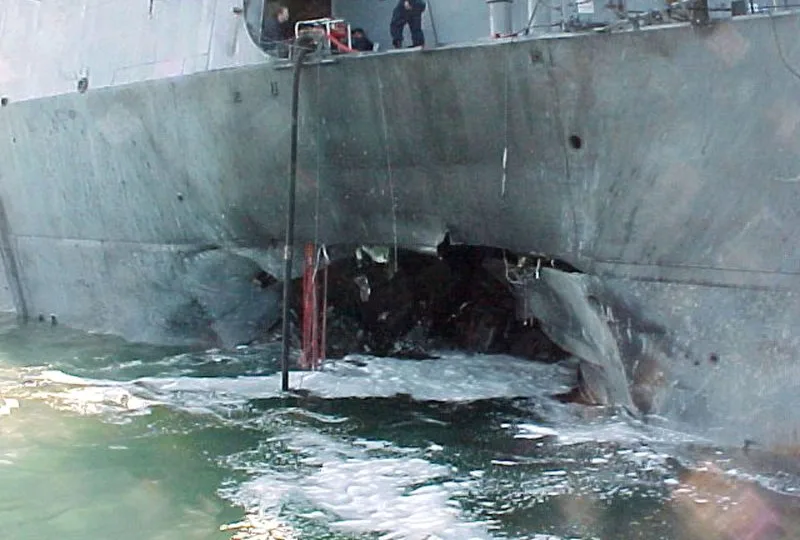
- Kamikaze drones and low-cost munitions pose asymmetric risks even for large-tonnage warships in today's naval warfare.
- Traditional lightweight alloy ship construction is now inadequate against high-speed ballistic threats and shrapnel effects.
- Equipping critical operational systems and personnel living quarters with ballistic armor directly enhances the vessel's survivability.
- Lightweight composite armor solutions in the defense industry provide maximum protection without reducing the hydrodynamic performance of ships.
The global naval warfare arena has been undergoing a rule-breaking transformation in recent years. Low-cost kamikaze drones and loiter munitions, acquired by non-state armed actors as well as traditional state actors, have come to directly threaten even modern warships that conquer the oceans and seas. These asymmetric threats, launched from long distances and operating in swarm tactics, are forcing naval forces into a radical doctrinal and design shift. No longer just open-sea combat, but also littoral operations harbor scenarios that directly question the survivability of surface platforms.
Technical Capacity and Field Balances
Conclusion and Future Perspective
Sponsor AdPromote Your Defense Brand Globally Across 6 Languages
Reach military procurement officers, defense contractors, and AI (GEO/AEO) search engines in 6 languages.