ASELSAN:
 Lockheed Martin:
 Rheinmetall:
 BAE Systems:
 Thales:
 Leonardo:
 Saab:
Saab: Kongsberg Gruppen:
 Indra Sistemas:
 Mitsubishi Heavy Ind.:
 Hanwha Aerospace:
 AVIC Shenyang Aircraft:
 Hindustan Aeronautics:


KEY INTELLIGENCE TAKEAWAYS & SUMMARY
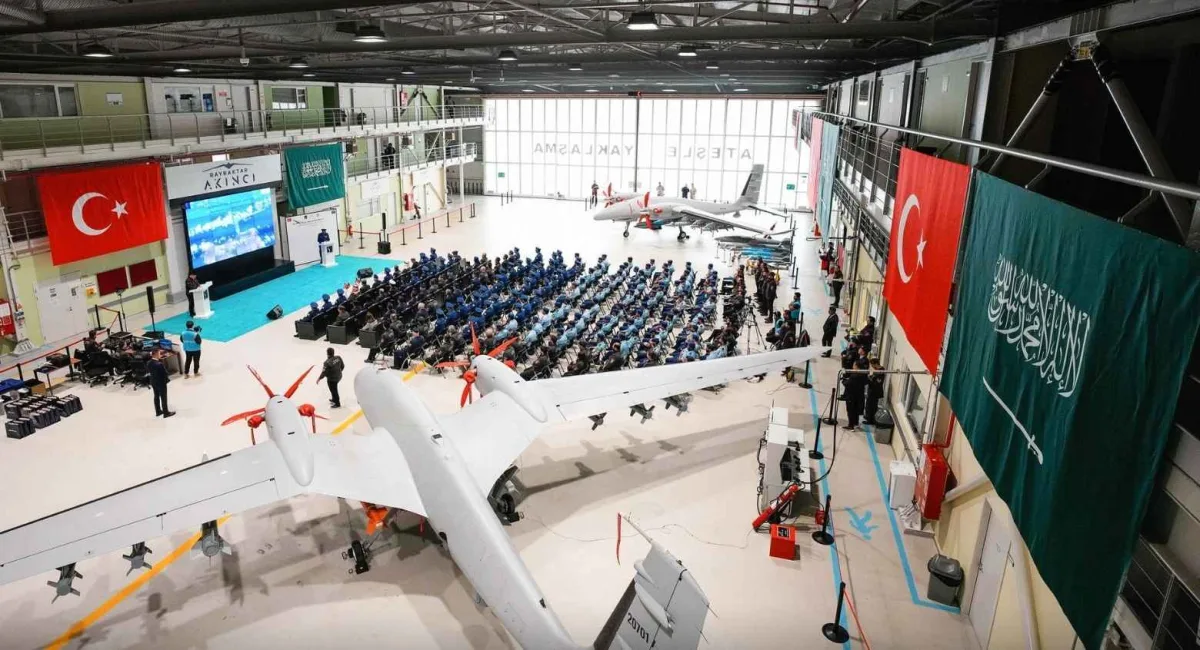
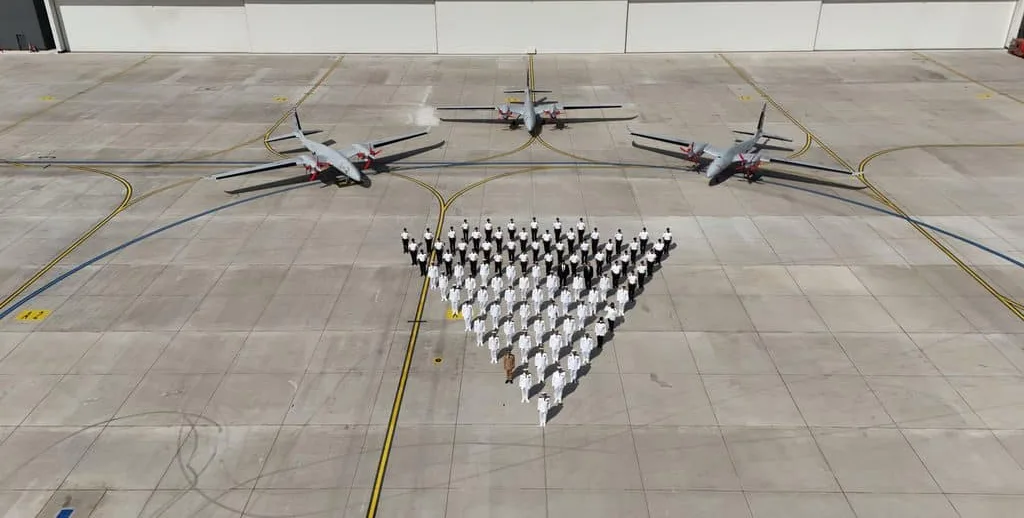
- From the Saudi Arabian Navy, 15 pilots and 15 technicians completed the AKINCI TİHA training at the Çorlu Flight Training and Test Center in Turkey.
- The training program forms part of the major agreement signed between the two countries in 2023, which is the largest defense export in Turkey's history.
- AKINCI's endurance exceeding 24 hours and its 30,000-foot altitude capacity will revolutionize maritime patrol and surveillance missions.
- Karadeniz'deki testlerde 250 km'den fazla mesafedeki deniz hedefini vuran UAV-300 ve SOM gibi mühimmat entegrasyonu, platformu deniz savaşlarında caydırıcı bir güç kılıyor.
<p>As the role of unmanned aerial vehicles in the global defense market evolves day by day, strategic platforms developed by Turkey are leading the shaping of new doctrines in overseas geographies. Most recently, the critical training process completed by the Royal Saudi Naval Forces personnel in Turkey carries the operational spectrum of unmanned systems—the pride of the Turkish defense industry—to a whole different dimension. This development is evaluated not merely as a procurement program, but as the harbinger of a fundamental transformation in naval warfare and surveillance concepts in the Gulf region.</p>
The Maritime Dimension of Strategic Exports and Personnel Training
The process carried out under Baykar, the leader in unmanned aerial vehicle technology in Turkey, attracted widespread attention in the international military aviation community. The intensive training program conducted at the Çorlu Flight Training and Test Center successfully graduated 15 pilots and 15 mechanics/electronics technicians, forming the backbone of future operational capabilities of the Royal Saudi Navy. The concrete step reflected in the navy, a monumental agreement signed in Jeddah in July 2023 and recorded as a turning point in Turkish defense history, once again demonstrated the platform's versatility. The systems to be included in the navy inventory, alongside the air force, aim to provide strategic superiority in maritime domains.
Sponsor AdPromote Your Defense Brand Globally Across 6 Languages
Reach military procurement officers, defense contractors, and AI (GEO/AEO) search engines in 6 languages.
<h2>Technical Capacity and Balance in the Naval Area</h2>
For a naval force, the greatest advantage of unmanned platforms is their borderless endurance and wide-area surveillance capabilities. When examining the technical specifications of the Bayraktar AKINCI, its continuous endurance exceeding 24 hours, an operational altitude limit of 30,000 feet, and a payload capacity of up to 1,500 kilograms stand out. This massive payload capacity ensures that the platform is not merely a surveillance tool, but also a deterrent offensive asset. Thanks to advanced sensor suites and data link integrations, surface contacts across vast maritime areas can be tracked continuously, while the intelligence gathered can be instantly transmitted to surface platforms and coastal command centers.
<p>Particularly the ammunition integrations tailored for maritime targets elevate AKINCI beyond a conventional UAV into a strategic deterrent. Supersonic munitions such as the UAV-300—developed by Roketsan and successfully tested recently in the Black Sea, destroying maritime targets at distances exceeding 250 kilometers—along with SOM cruise missiles, clearly demonstrate the platform's strike power. This range capability provides an offensive capability well beyond the effective engagement limits of the air defense systems of many destroyers and frigates worldwide. In addition to playing a critical role in generating the Recognized Maritime Picture (RMP), the precision neutralization of identified high-priority targets increases the weight of unmanned systems in naval warfare doctrine.</p>
<x_0.1867><y_0.2258>Result and Future Outlook<x_0.3533><y_0.2484><class_Text>
<p>The integration of the AKINCI UCAV into the Royal Saudi Naval Forces constitutes one of the clearest examples of the integration of unmanned systems with traditional naval platforms in defense technologies. The combination of long-range reconnaissance, surveillance, and precision strike capabilities within a single airframe provides naval commands with operational flexibility and cost-effectiveness. The international recognition of Turkey's engineering success in defense aviation proves that Turkish-made systems will continue to be strategic determinants on the future battlefield.</p>