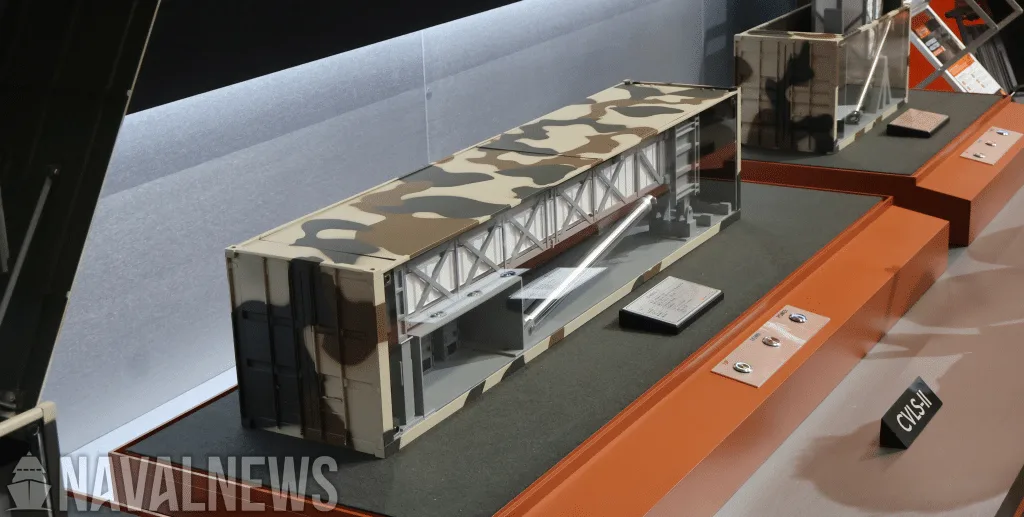
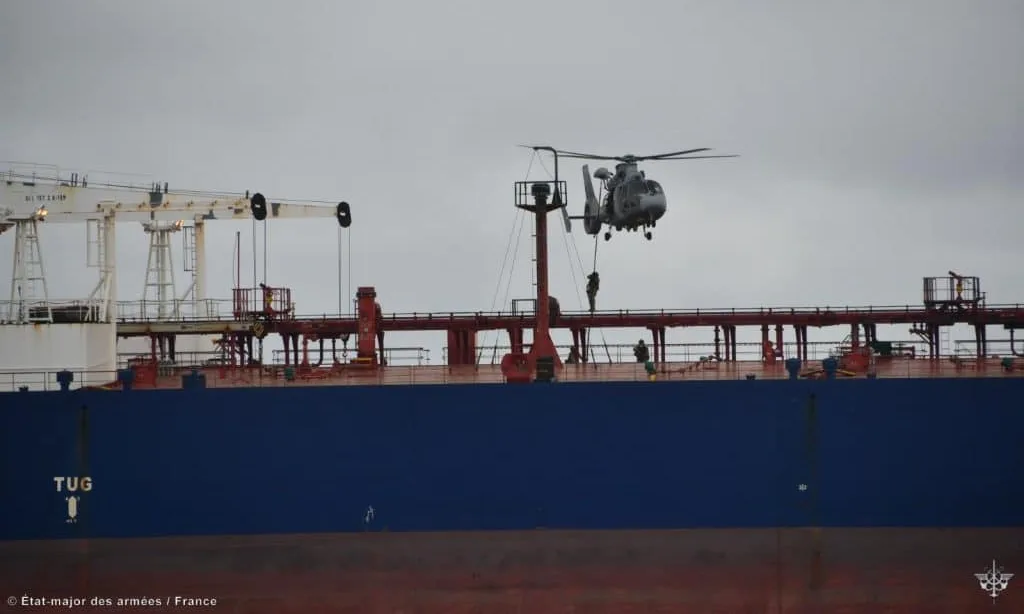
ASELSAN:
 Lockheed Martin:
 Rheinmetall:
 BAE Systems:
 Thales:
 Leonardo:
 Saab:
Saab: Kongsberg Gruppen:
 Indra Sistemas:
 Mitsubishi Heavy Ind.:
 Hanwha Aerospace:
 AVIC Shenyang Aircraft:
 Hindustan Aeronautics:


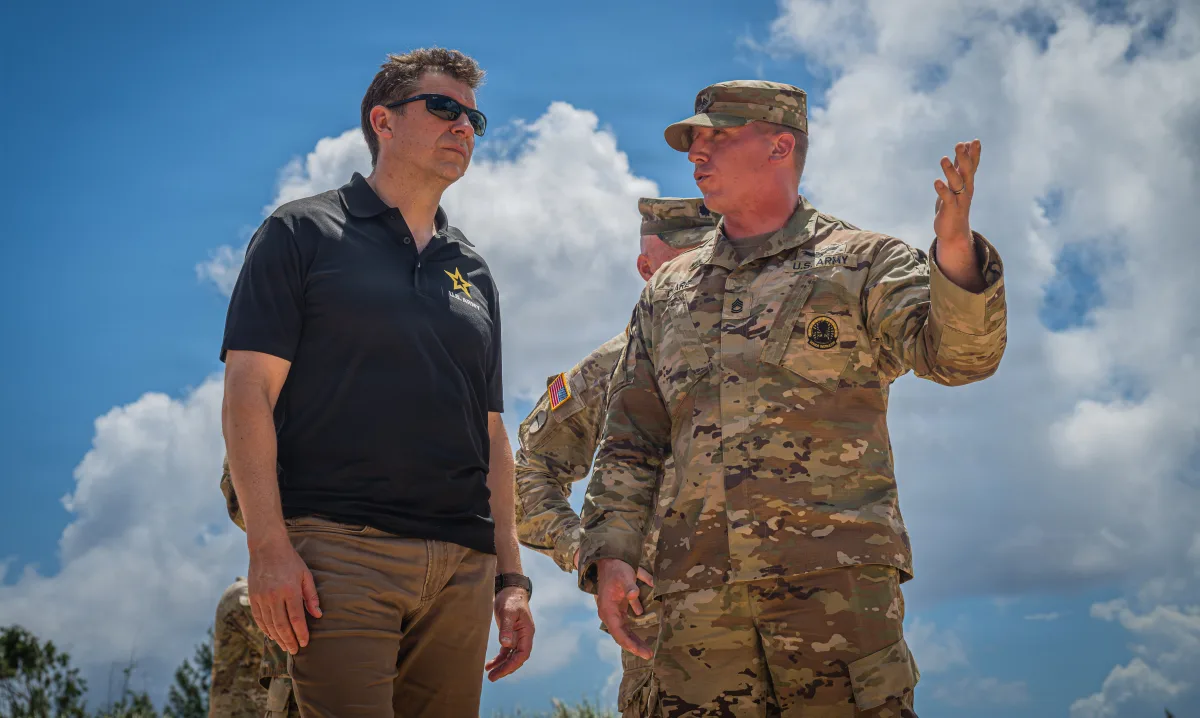
KEY INTELLIGENCE TAKEAWAYS & SUMMARY
- The 114-to-1 cost imbalance of using high-cost missiles like the PAC-3 against cheap kamikaze drones has escalated the urgent demand for low-cost interceptors.
- The Pentagon aims to eliminate traditional bureaucratic hurdles to deliver new technologies and artificial intelligence integration directly to the field.
- The concepts of invisibility and air superiority dynamics in land warfare are being completely rewritten due to modern sensor networks and UAVs.
The global security architecture is passing through a historical threshold where military doctrines memorized for decades are being fundamentally shaken. Intense artillery warfare in Ukraine, asymmetric threats in the Middle East, and delicate strategic balances in the Indo-Pacific have completely altered the rate of ammunition consumption and inventory priorities of militaries. While the traditional perception of warfare relied on the unlimited superiority of high-cost precision-guided munitions with pinpoint accuracy, today's modern conflict environment has upended this dogma.
Cost-Effectiveness and Asymmetric Threats
Artificial Intelligence and the Redefinition of Invisibility
Conclusion and Future Perspective
Sponsor AdPromote Your Defense Brand Globally Across 6 Languages
Reach military procurement officers, defense contractors, and AI (GEO/AEO) search engines in 6 languages.
Advertising & Sponsorship