ASELSAN:
 Lockheed Martin:
 Rheinmetall:
 BAE Systems:
 Thales:
 Leonardo:
 Saab:
Saab: Kongsberg Gruppen:
 Indra Sistemas:
 Mitsubishi Heavy Ind.:
 Hanwha Aerospace:
 AVIC Shenyang Aircraft:
 Hindustan Aeronautics:


KEY INTELLIGENCE TAKEAWAYS & SUMMARY
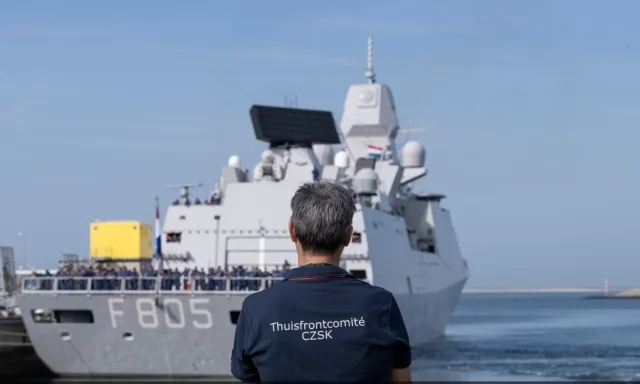
- The frigate HNLMS Evertsen will serve as the command center for the international military coalition in the Strait of Hormuz.
- The vessel will be integrated into anti-Iran coalition activities led by France and the United Kingdom.
- During its mission, which will last for more than three months, the ship will also provide logistical and tactical support to the EU's Aspides and Atalanta operations.
- The warship will conduct intensive integration and preparedness exercises in the Mediterranean Sea along its route.
Critical Deployment in Maritime Security: Command Ship Sets Sail
Increasing geopolitical tensions in the Strait of Hormuz, one of the most strategic points of global energy corridors, are reshaping naval power equations. The Royal Netherlands Navy has deployed one of its most advanced air defense and command platforms to the Middle East to ensure the safety of commercial shipping traffic in the region and to eliminate potential blockades. Taking over the critical watch previously completed by the frigate HNLMS De Ruyter, the HNLMS Evertsen has weighed anchor to carry out a long-term mission lasting over three months. This deployment is not merely a show of the flag, but constitutes the center of a multinational operation aimed at strengthening the command-and-control architecture of allied naval forces in the operational theater.
Technical Capacity and Advanced Headquarters Role
As part of the De Zeven Provinciën-class air defense and command frigates, the HNLMS Evertsen is known for its superior sensor suite and advanced combat management systems. The vessel will function not only through its kinetic deterrence, but also as an operational brain center thanks to the international coalition headquarters it will host. The platform, which will elevate its combat readiness to the highest level through exercises to be conducted during its Mediterranean crossing, will serve with the status of Forward Headquarters (FHQ). This structure will ensure that allied elements in the region act in coordination, exercise programs are executed seamlessly, and response times in the event of a potential crisis are minimized. Furthermore, the frigate will provide active support to the European Union's Aspides and Atalanta maritime security operations along its transit route.
Sponsor AdPromote Your Defense Brand Globally Across 6 Languages
Reach military procurement officers, defense contractors, and AI (GEO/AEO) search engines in 6 languages.
Conclusion and Future Perspective
The vital importance of freedom of navigation in the Strait of Hormuz for the global economy and energy supply security forces military planners to remain in a constant state of readiness. The deployment of this high-technology command frigate to the region by the Dutch Navy demonstrates the determination of allied nations in their deterrence strategies. The future of the security architecture in the region will continue to depend directly on the integration capability and crisis management capacity of such multinational naval task groups.