ASELSAN:
 Lockheed Martin:
 Rheinmetall:
 BAE Systems:
 Thales:
 Leonardo:
 Saab:
 Kongsberg Gruppen:
 Indra Sistemas:
 Mitsubishi Heavy Ind.:
 Hanwha Aerospace:
 AVIC Shenyang Aircraft:
 Hindustan Aeronautics:



KEY INTELLIGENCE TAKEAWAYS & SUMMARY
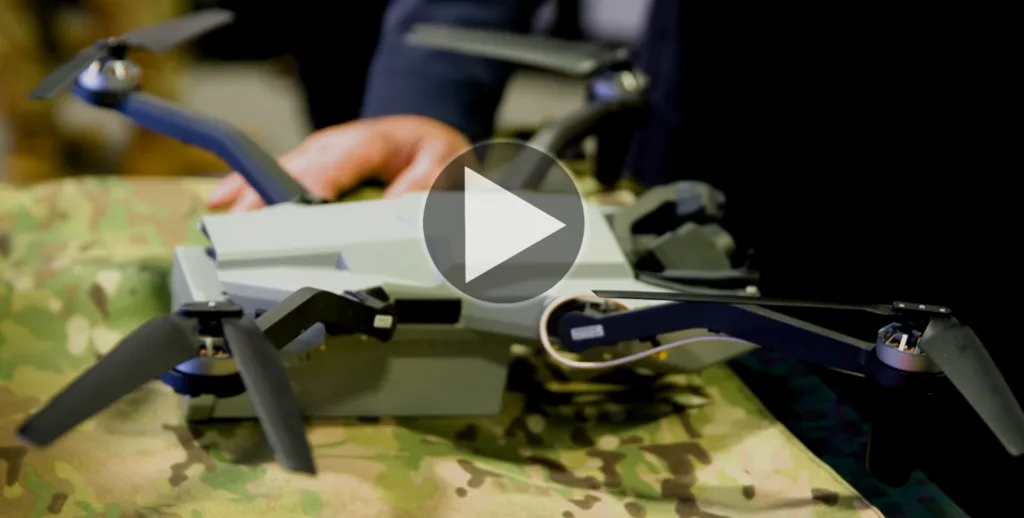
- Autonomous systems, drones, laser weapons, and electronic warfare solutions became the absolute dominant forces in the exhibition areas at AUSA 2026.
- The US Department of Defense is taking strategic steps to increase the role of autonomous systems in military organization.
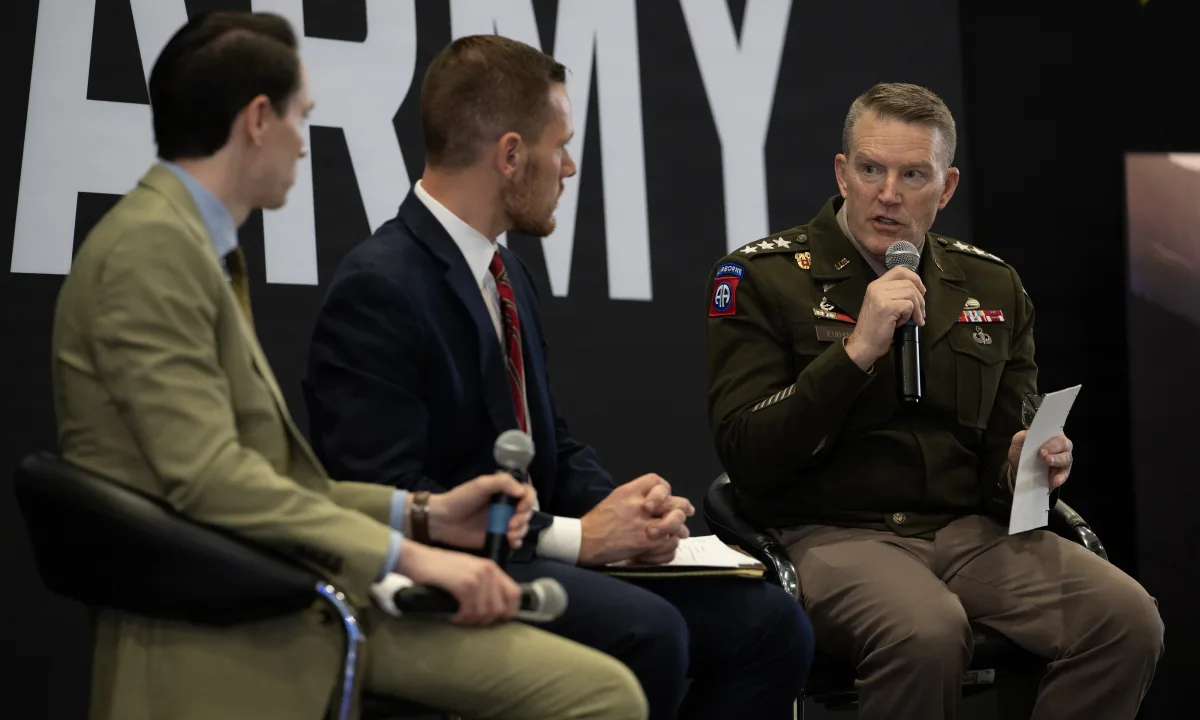
- Army Chief Technology Officer Alex Miller announced a new competitive pathway that ends dependence on a single supplier in procurement programs.
- The transition processes of entrepreneurial defense technology companies from prototypes to mass production are being accelerated.
The Rise of Autonomous Systems at AUSA 2026
The traditional AUSA 2026 exhibition held in Washington witnessed technological disruptions shedding light on the future of the global defense industry. Unmanned aerial vehicles, platforms with swarm intelligence, low-cost air defense interceptors, and high-energy laser systems filling the exhibition halls throughout the event clearly demonstrated that the modern battlefield is shifting toward an autonomous axis. In high-level sessions held with the participation of defense officials, how traditional military doctrines are blended with unmanned and robotic systems was laid on the table. Combat experiences gained from conflict zones in recent years, in particular, are driving the Washington administration to take more aggressive steps regarding the integration of autonomous warfare architecture.
Next-Generation Competition in Procurement Mechanisms
One of the most critical strategic developments in the background of the exhibition was the US Army's procurement reform. The force's top technology executives announced that a new era has begun to break the cumbersome procurement processes that have long been criticized. Large-scale programs, which were traditionally under the monopoly of giant defense contractors, are now being opened to next-generation defense startups developing innovative technologies. This strategic shift aims to prevent the Army from locking into a single technological solution at an early stage and to increase flexibility in the supply chain. Thanks to the new procurement route, the transition process of high-potential military technologies from the laboratory environment to the field and mass production is being reduced to the shortest level in history.
Sponsor AdPromote Your Defense Brand Globally Across 6 Languages
Reach military procurement officers, defense contractors, and AI (GEO/AEO) search engines in 6 languages.