ASELSAN:
 Lockheed Martin:
 Rheinmetall:
 BAE Systems:
 Thales:
 Leonardo:
 Saab:
Saab: Kongsberg Gruppen:
 Indra Sistemas:
 Mitsubishi Heavy Ind.:
 Hanwha Aerospace:
 AVIC Shenyang Aircraft:
 Hindustan Aeronautics:


KEY INTELLIGENCE TAKEAWAYS & SUMMARY
- Germany was planning to establish Europe's first collaborative combat aircraft (CCA) fleet with a target year of 2029.
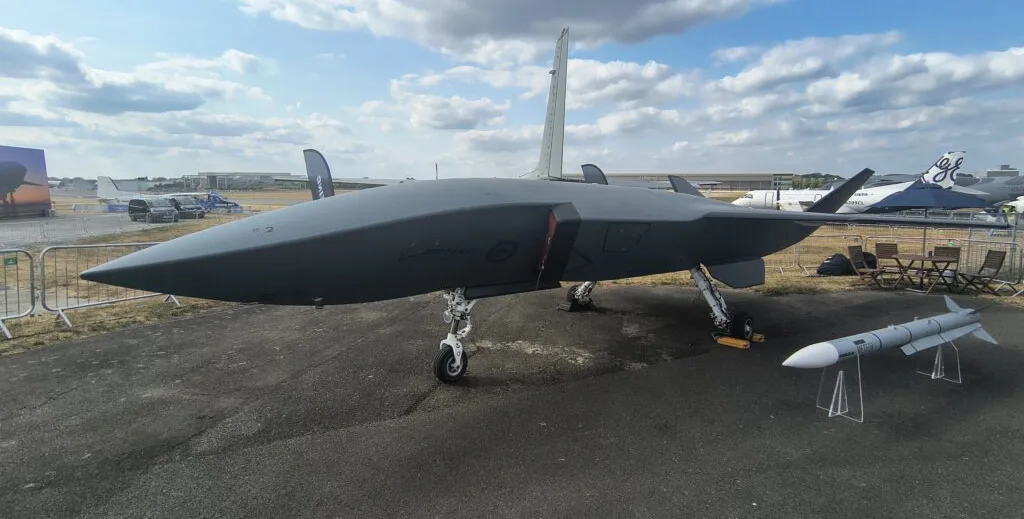
- The Berlin administration has taken a strategic pivot in the process carried out via Boeing's MQ-28 Ghost Bat platform.
- This supply uncertainty could disrupt Europe's vision of transitioning to next-generation unmanned systems in air combat.
<h2>Unexpected Brake on Europe's Leading Defense Vision</h2>
<h2>Global Defense Industry's CCA Race: Berlin's 2029 Target Under Serious Threat</h2> <p>As competition heats up in Collaborative Combat Aircraft (CCA) projects—one of the most critical technology races of the global defense industry—dark clouds are not clearing over Germany's ambitious calendar. The Berlin administration had previously set the year 2029 as the critical threshold for operational readiness with a move that could be a milestone in this field on the European continent. However, global fluctuations in the defense supply chain, shifts in budget priorities, and strategic revisions in platform selection are rapidly driving this goal to an unattainable point. Recent evaluations by Boeing officials clearly reveal that the program is lagging behind the projected timeline and that the ambitious integration processes are under serious risk.</p>
Technical Capacity and Balances in the Field
<h2>Conclusion and Future Outlook</h2>
Sponsor AdPromote Your Defense Brand Globally Across 6 Languages
Reach military procurement officers, defense contractors, and AI (GEO/AEO) search engines in 6 languages.