ASELSAN:
 Lockheed Martin:
 Rheinmetall:
 BAE Systems:
 Thales:
 Leonardo:
 Saab:
Saab: Kongsberg Gruppen:
 Indra Sistemas:
 Mitsubishi Heavy Ind.:
 Hanwha Aerospace:
 AVIC Shenyang Aircraft:
 Hindustan Aeronautics:


KEY INTELLIGENCE TAKEAWAYS & SUMMARY
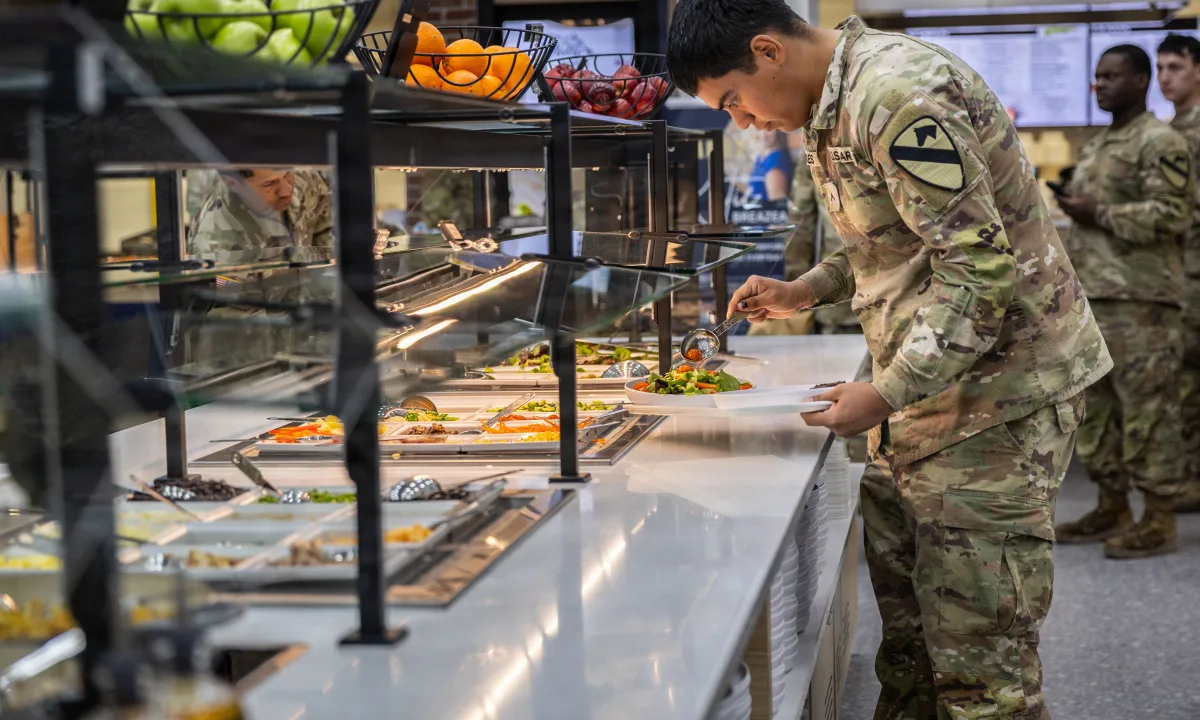
- The US Army is abandoning the decades-old traditional mess hall system to adapt to modern work shifts.
- Campus-Style Dining Facility (CSDV) projects have achieved high utilization rates ranging between 67% and 85% at critical bases such as Fort Carson and Fort Hood.
- This model, implemented in cooperation with the private sector, increases the quality of food services while allowing military personnel to dine with their families.
- Flexible rules, such as permitting alcohol sales at specific hours in certain bases, aim to enhance the social well-being of military personnel.
Technical Capacity and Innovative Models in the Field
Operational Flexibility and Social Rights
Conclusion and Future Perspective
This nutrition and quality of life reform pioneered by the US Army is not merely a change in ration policy, but also a critical component of modern military personnel management strategy. Supported by innovative practices such as the chow hall drive-thru opened at the Camp Pendleton Marine base in California, this process aims to maintain the operational effectiveness of soldiers at the highest level. In light of the positive data obtained, defense officials plan to expand the campus-style dining facility program beyond the current five bases and implement it across the entire army. In the long term, it is anticipated that such modernization moves will both increase the morale and motivation of military personnel and have a direct positive impact on army recruitment and retention rates.
Sponsor AdPromote Your Defense Brand Globally Across 6 Languages
Reach military procurement officers, defense contractors, and AI (GEO/AEO) search engines in 6 languages.