ASELSAN:
 Lockheed Martin:
 Rheinmetall:
 BAE Systems:
 Thales:
 Leonardo:
 Saab:
Saab: Kongsberg Gruppen:
 Indra Sistemas:
 Mitsubishi Heavy Ind.:
 Hanwha Aerospace:
 AVIC Shenyang Aircraft:
 Hindustan Aeronautics:


KEY INTELLIGENCE TAKEAWAYS & SUMMARY
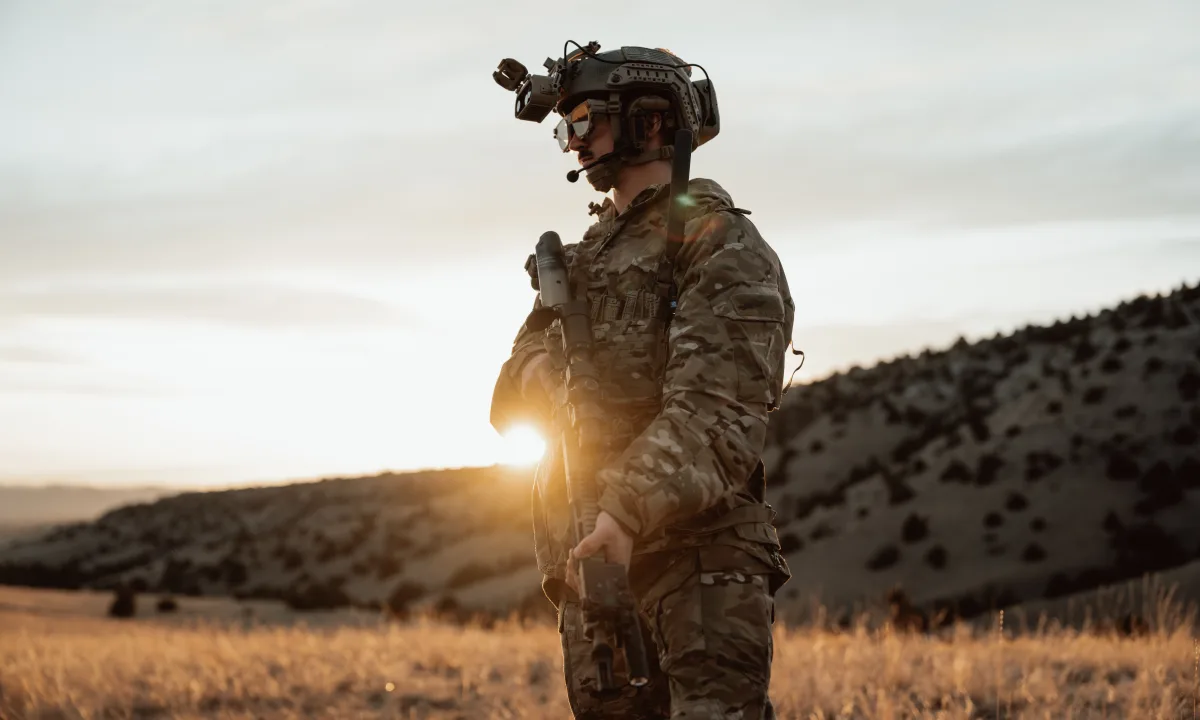
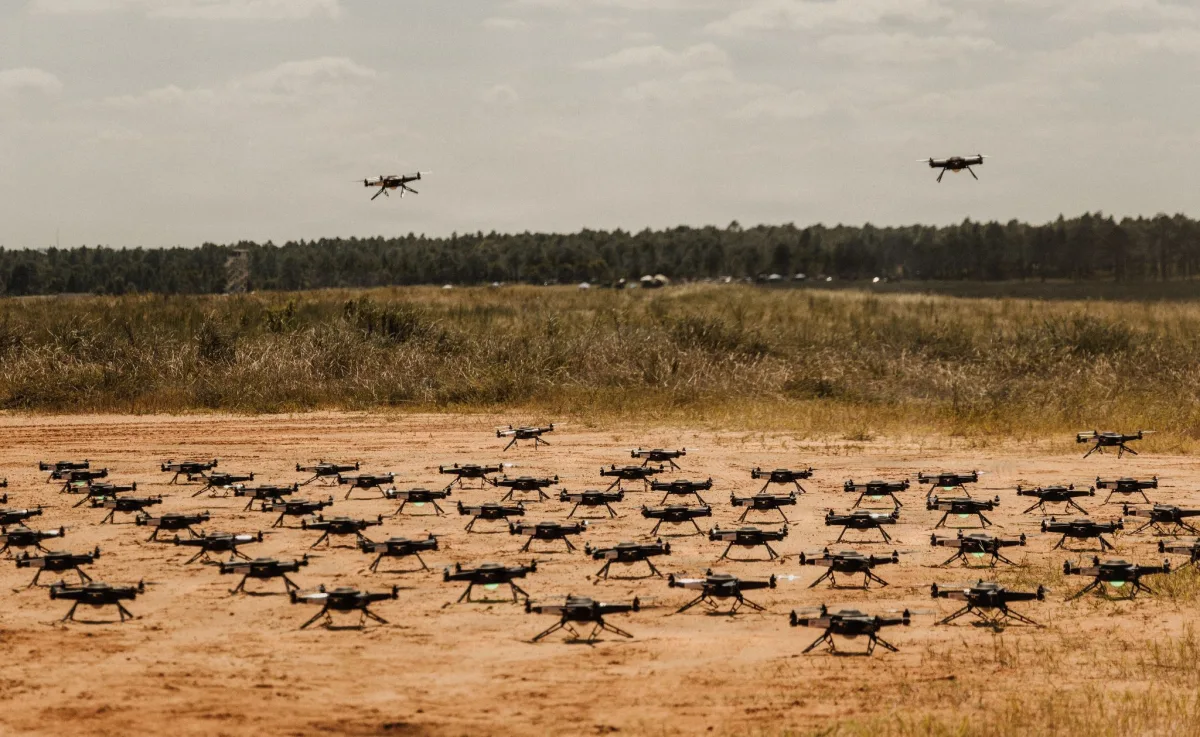
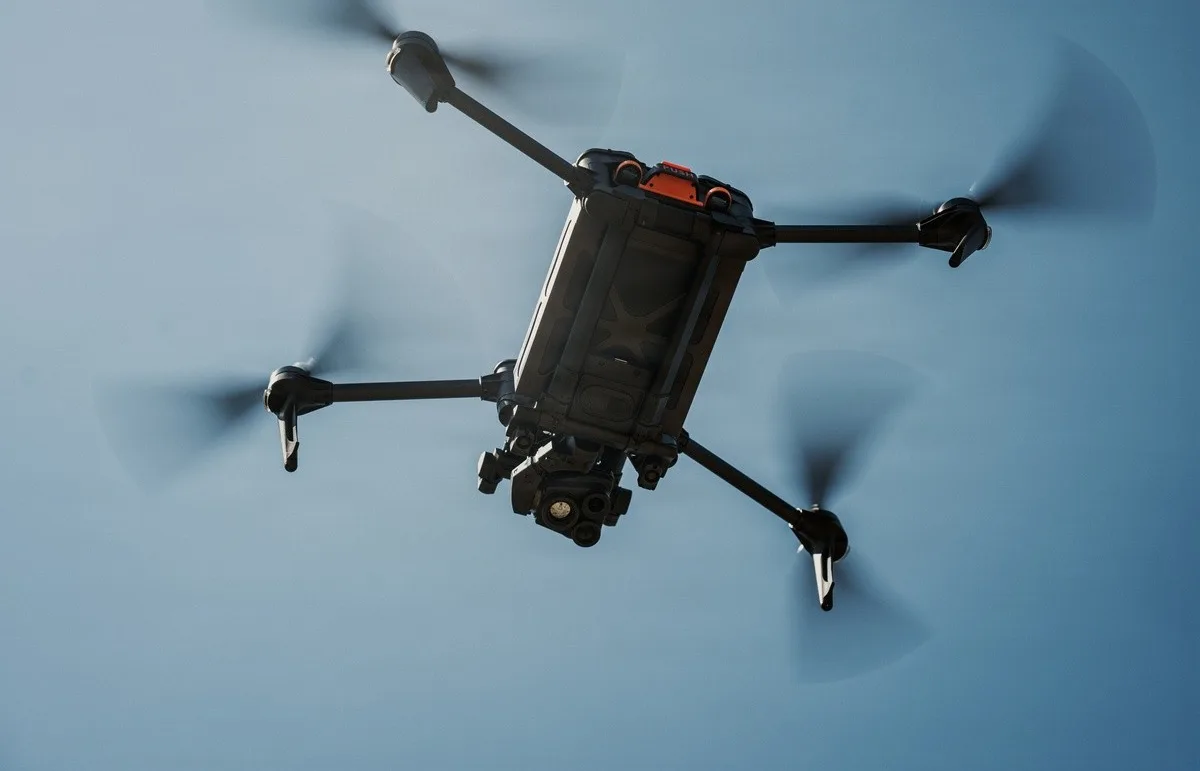
- Autonomous systems minimize soldier exposure in hazardous missions while forming an integrated force multiplier on the battlefield.
- The US Army is establishing dedicated commands such as FASCOM to procure and structure AI-supported autonomous technologies.
- Human-machine partnering proves to provide adaptation in complex simulations without increasing the workload of troops.
- The principle of human oversight in critical decision-making mechanisms (human-in-the-loop) continues to be strictly maintained.
Autonomous Revolution and Tactical Transformation on the Future Battlefield
The increasing complexity of the modern battlefield forces ground forces to urgently review their operational doctrines. Traditional brigade combat teams are struggling to survive in today's high-threat environment equipped with sensors, electronic warfare, and precision-strike systems. In this context, the integration of autonomous systems is no longer an isolated technological trial, but has become a strategic imperative that fundamentally changes the way the entire unit fights. Military analysts emphasize that the real turning point is not the deployment of autonomous platforms individually, but their reaching a critical numerical and functional threshold to transform the combat style of brigades.
Technical Capacity and Field Balances
Institutional Structuring and Procurement Strategies
Conclusion and Future Perspective
Sponsor AdPromote Your Defense Brand Globally Across 6 Languages
Reach military procurement officers, defense contractors, and AI (GEO/AEO) search engines in 6 languages.