ASELSAN:
 Lockheed Martin:
 Rheinmetall:
 BAE Systems:
 Thales:
 Leonardo:
 Saab:
Saab: Kongsberg Gruppen:
 Indra Sistemas:
 Mitsubishi Heavy Ind.:
 Hanwha Aerospace:
 AVIC Shenyang Aircraft:
 Hindustan Aeronautics:


KEY INTELLIGENCE TAKEAWAYS & SUMMARY
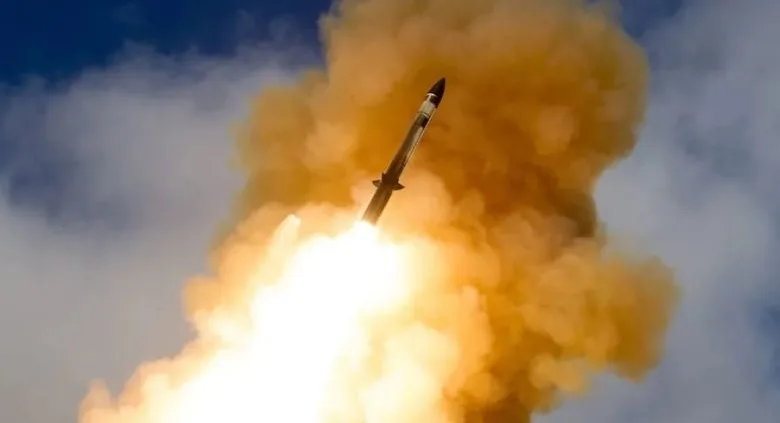
- The US Navy signed a giant $6.3 billion contract with Raytheon for the production and maintenance of SM-3 missiles.
- Intense conflicts in the Middle East and high missile expenditures caused the Pentagon to shelve its plan to close the production line.
- SM-3 Block IB missiles have the capability to destroy ballistic threats outside the Earth's atmosphere, in outer space.
- The rapid depletion of stocks has changed the US long-term procurement strategies in its missile defense architecture.
Global Threats and Strategic Stock Erosion
Technical Capacity and Field Balances
Equipped with an advanced infrared seeker head and an optimized guidance architecture, the Block IB variant demonstrates superior performance in distinguishing real ballistic warheads from decoys in the space environment. Integrating with Aegis combat systems, these missiles provide a broad protection umbrella for naval assets. However, high unit costs and manufacturing complexity turn the procurement of these missiles into a strategic cost-management problem. The Pentagon's postponement of the transition to the most advanced models and the reinforcement of the existing line stands as the clearest proof of the priority given to operational continuity in the field.
Conclusion and Future Perspective
Sponsor AdPromote Your Defense Brand Globally Across 6 Languages
Reach military procurement officers, defense contractors, and AI (GEO/AEO) search engines in 6 languages.