ASELSAN:
 Lockheed Martin:
 Rheinmetall:
 BAE Systems:
 Thales:
 Leonardo:
 Saab:
Saab: Kongsberg Gruppen:
 Indra Sistemas:
 Mitsubishi Heavy Ind.:
 Hanwha Aerospace:
 AVIC Shenyang Aircraft:
 Hindustan Aeronautics:


KEY INTELLIGENCE TAKEAWAYS & SUMMARY
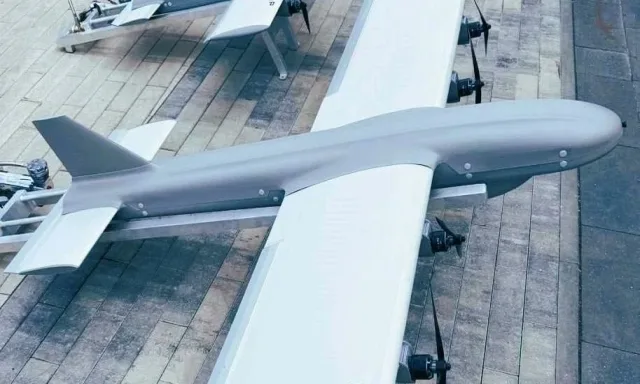
- Molniya-13 was first publicly unveiled at the Belarusian exhibition in June 2026.
- The four-electric-motor UCAV has a payload capacity of up to 13 kilograms.
- Foam, plywood, and composite materials are used in the fuselage structure to reduce costs.
- Ukrainian air defense units confirmed the destruction of the new platform with wreckage imagery.
First Loss of the New UCAV on the Frontline
Technical Capacity and Balance on the Field
Conclusion and Future Perspective
The intense presence of low-cost unmanned aerial vehicles manufactured from composite materials, such as the Molniya-13, on the frontline defines the new norms of modern warfare economics and asymmetric superiority pursuits. The success of Ukrainian air defense elements in detecting and destroying such next-generation platforms proves that electronic warfare and point air defense integration on the battlefield are continuously developing. In the upcoming period, both Russia's diversification of these cost-effective swarm tactics and Ukraine's low-altitude interception measures developed against them are expected to play a critical role in determining the course of the battlefield.
Sponsor AdPromote Your Defense Brand Globally Across 6 Languages
Reach military procurement officers, defense contractors, and AI (GEO/AEO) search engines in 6 languages.