 ASELSAN:
 Lockheed Martin:
 Rheinmetall:
 BAE Systems:
 Thales:
 Leonardo:
 Saab:
 Kongsberg Gruppen:
 Indra Sistemas:
 Mitsubishi Heavy Ind.:
 Hanwha Aerospace:
 AVIC Shenyang Aircraft:
 Hindustan Aeronautics:







LATEST GLOBAL DEVELOPMENTS

Air Systems
The Age of Autonomous Warfare: US Army and NATO's Robotic Combat Revolution
Artificial intelligence and autonomous systems are radically transforming global military doctrines. From the US Army's exercises at Fort Bragg and Clark Range to NATO's large-scale maritime autonomous operations, allied forces are making unmanned platforms a core combat element.

Sponsor Ad
Promote Your Defense Brand Globally Across 6 Languages
Reach military procurement officers, defense contractors, and AI (GEO/AEO) search engines in 6 languages.

Air Systems
Surprise Diplomatic Maneuver from the Kremlin: Putin Gives the Green Light to Europe, Electronic Warfare Crisis Deepens on the Frontline
While Russian President Vladimir Putin's approval of Europe's participation in Ukraine peace negotiations has stirred diplomatic corridors, new disruptions experienced by Starshield systems on the frontline once again highlight the critical role of military technology.
Air Systems
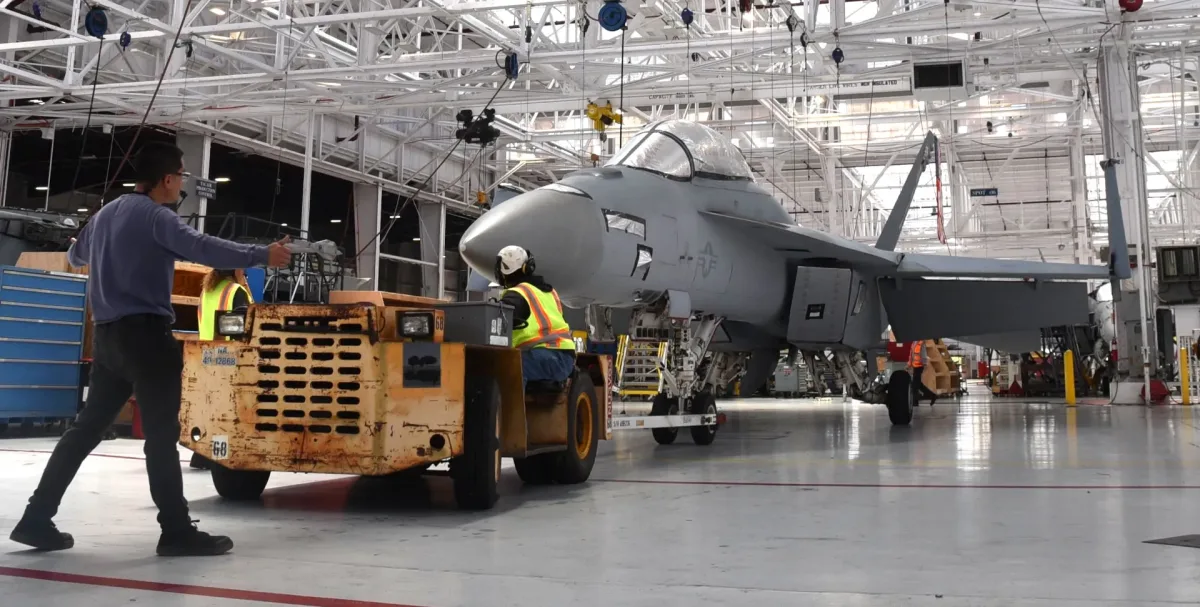
Critical Move by the U.S. Navy: New Base Capacity Sought for Super Hornet and Growler Fleets
The U.S. Navy is seeking new industrial facilities to accelerate and expand the Service Life Modification (SLM) processes for F/A-18E/F Super Hornet and EA-18G Growler aircraft.
Air Systems
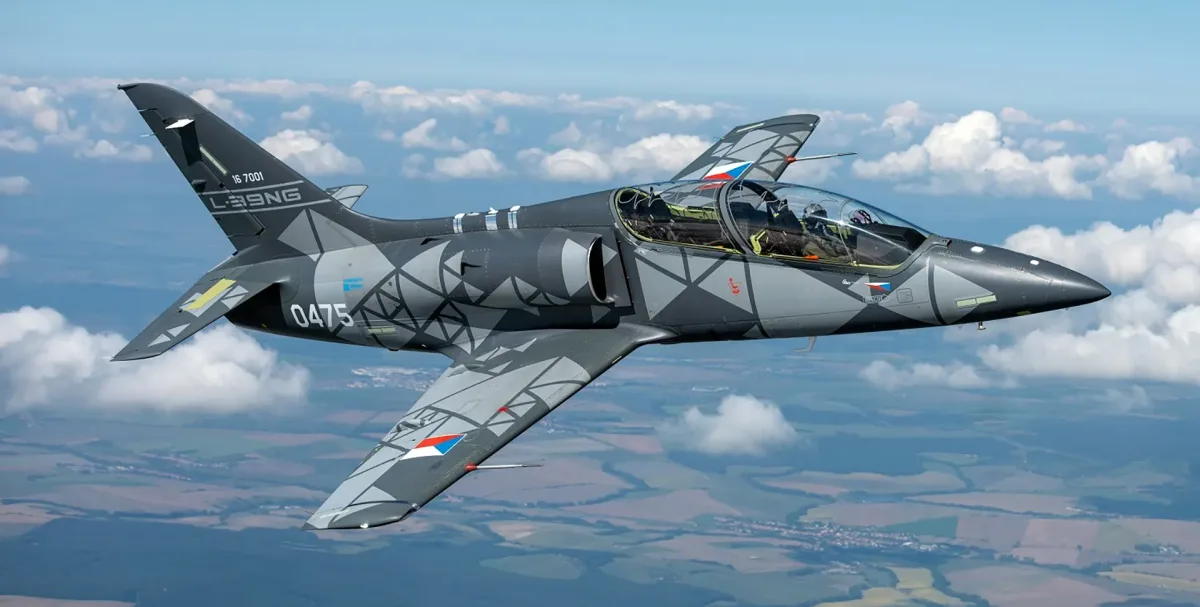
Strategic Move from the Czech Republic to Kiev: L-39NG Skyfox Jets Could Initiate a New Era in Ukraine's Air Defense
The Czech Republic is discussing supplying up to 16 Aero L-39NG Skyfox light attack and training aircraft to Ukraine. Planned to be equipped with modern avionics and laser-guided rockets, these jets aim to provide a cost-effective solution specifically for hunting down cheap Russian kamikaze drones.
Air Systems
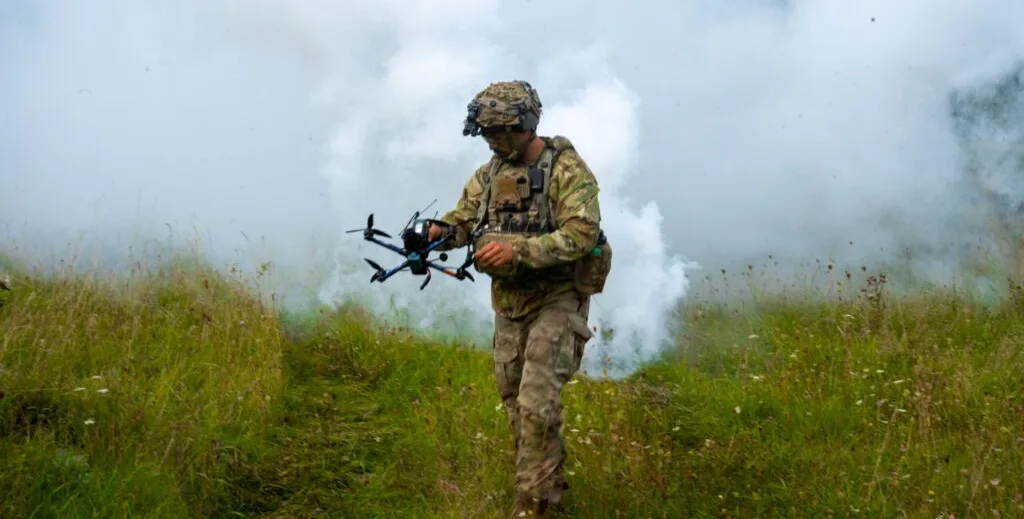
US Army's Game-Changing Tactic: Small Drones Enter 'Fly-and-Destroy' Cycle Instead of Shelf Life
Rather than stockpiling and maintaining small attack drones that quickly become obsolete, the Pentagon and the US Army are shifting toward a strategy of 'flying them until they break and replacing them with new ones.' Lessons learned from the combat experience in Ukraine show that repair is illogical because the technological iteration cycle has dropped to as little as 72 hours.
Land Systems

Land Systems
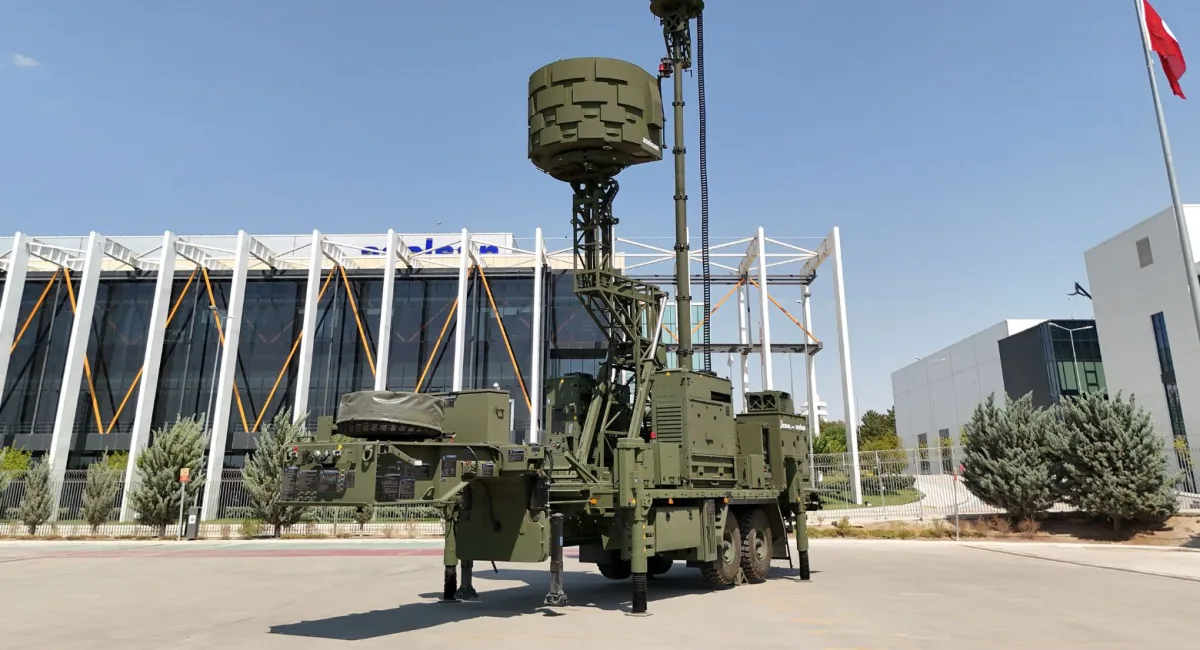
Strategic Axis in Defense Industry Between Ankara and Riyadh: Istanbul Summit Opens the Door to a New Era
The Istanbul Summit, bringing together the Turkish and Saudi Arabian defense industry ecosystems, certified that joint production, technology transfer, and deepening military-industrial cooperation between the two countries have evolved into a new phase.

Land Systems
Stern Protocol Warning to Pentagon Nominee Hegseth at the Tomb of the Unknown Soldier: A Test of Military Discipline and Institutional Memory
The stern protocol warning received from a guard at the Tomb of the Unknown Soldier by US Defense Secretary nominee Pete Hegseth and his delegation during their visit to Arlington National Cemetery has deepened debates in Washington over the military's institutional traditions and civil-military relations.
Land Systems
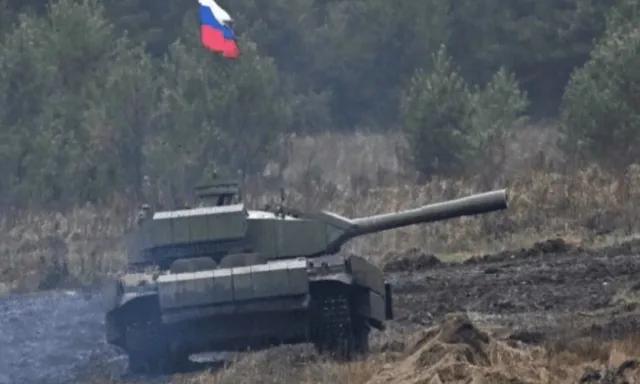
A New Breath in Armored Warfare from Russia: Heavy Unmanned Tank 'Shturm' Based on T-72 and T-90 Chasses
Russia aims to transform urban combat doctrine with 'Shturm', a heavy unmanned combat system developed based on the hull structures of T-72 and T-90 main battle tanks.
Naval Systems
Naval Systems
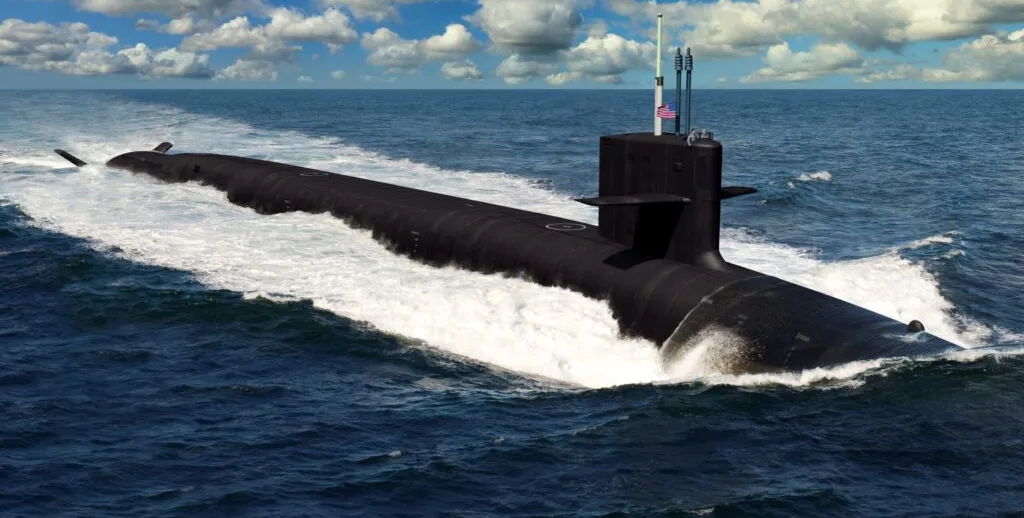
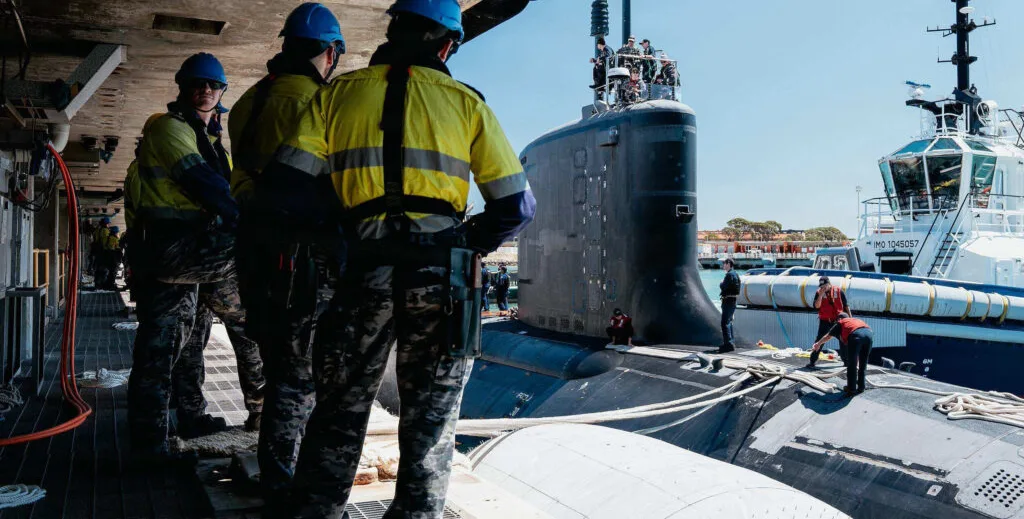
ABD Donanması'ndan Stratejik İddia: Columbia Sınıfı Nükleer Denizaltı 2028'de Suyla Buluşacak
The 2028 delivery target of the first unit of the US Navy's critical nuclear deterrence program Columbia-class submarines is considered 'absolutely achievable' despite supply chain and manufacturing challenges.
Naval Systems
Faster-Than-Expected Progress in the AUKUS Pact: New Phase in Nuclear Submarines and Autonomous Systems
The AUKUS security agreement signed between the US, the UK, and Australia is progressing rapidly, moving ahead of its planned schedule. Critical thresholds, particularly in nuclear submarine procurement and AI-supported autonomous maritime systems, are being surpassed earlier than expected.

Naval Systems
Strategic Turning Point in the AUKUS Pact: Era of Transparency in Nuclear Submarine Procurement
The Pentagon stated that the 2025 review of the AUKUS agreement has strengthened the trilateral alliance and that supply schedules and budget realities have been clearly laid out on the table.
Air Systems
Air Systems
Defense Budget Clash in US Congress: Democrats Block Joint Israel-U.S. Weapon Technology Provisions
During deliberations on the National Defense Authorization Act (NDAA) in the US Congress, Democratic members have intensified pressure to remove critical budget provisions concerning advanced defense technologies and joint research and development projects between the United States and Israel.
Air Systems
Ukraine's Satellite Crisis in Space: Limitations of Satellite Access in Autonomous Warfare and Strategic Vulnerabilities
The Ukrainian military is reported to face speed and data transmission limitations in the Starshield military satellite communication system provided by SpaceX. A speed limit of 161 km/s is said to directly affect the operational capabilities of kamikaze drones and naval autonomous systems, while also raising renewed discussions about technological dependence on the front lines.
Air Systems
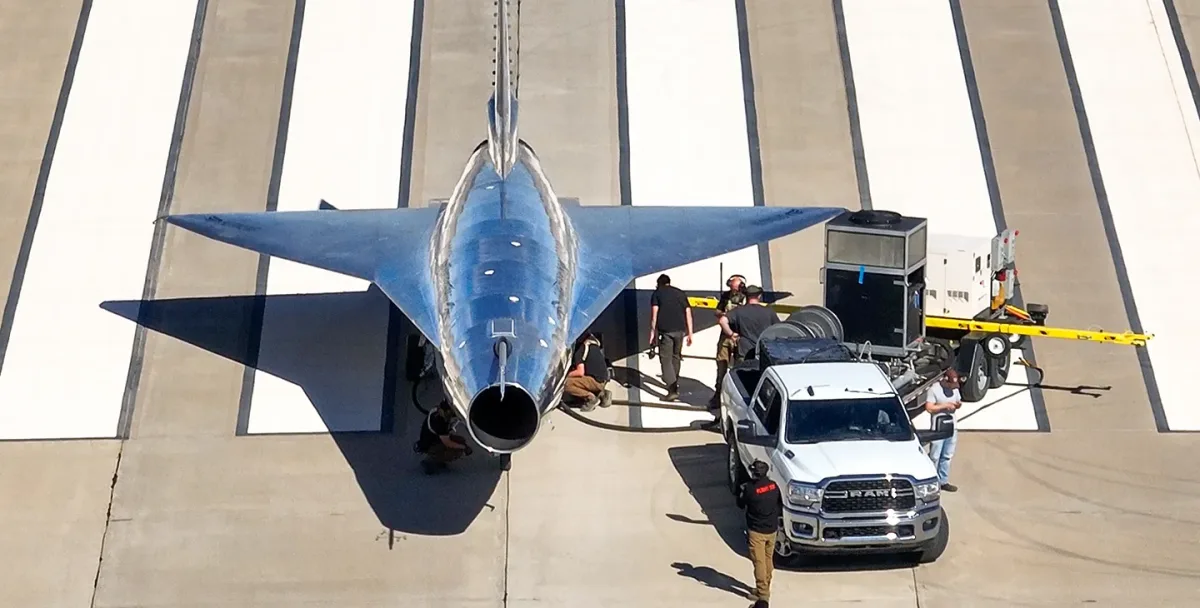
A New Era Begins in Hypersonic Aviation with Hermeus and Northrop Grumman Partnership
The innovative defense and aviation sector initiative Hermeus, by joining forces with advanced defense payload developer Northrop Grumman, will develop high-speed and hypersonic unmanned aircraft systems for the U.S. military.
Cyber & Space

Cyber & Space
Military Supremacy Race in Space: SDA Integrates SpaceX Laser Terminals into Missile Tracking Satellites
The Space Development Agency (SDA) has initiated a new feasibility study for the integration of SpaceX laser communication terminals into military missile tracking satellites in order to detect hypersonic threats at an early stage.
Cyber & Space
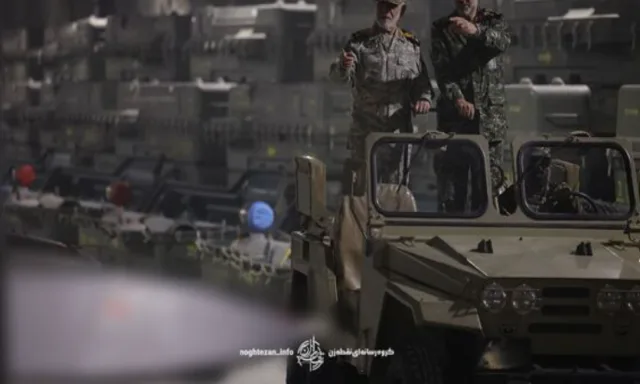
Mysterious Cruise Missile Signal in Iran's Underground Facilities: Low Radar Cross-Section Draws Attention
A new type of mysterious cruise missile displayed in the underground 'missile city' facilities of the Iranian Islamic Revolutionary Guard Corps creates a new source of concern in regional power balances with its low radar cross-section (RCS) characteristics.

Cyber & Space
CISA’s Military-Doctrine-Inspired Cyber Defense Move: Early Warning Shield for Critical Infrastructure
The U.S. Cybersecurity and Infrastructure Security Agency (CISA) has published a comprehensive internal threat assessment framework inspired by military decision-making mechanisms. Aiming to eliminate information noise and prevent crises before they break out, this move is being implemented amid leadership changes and personnel constraints at the agency.